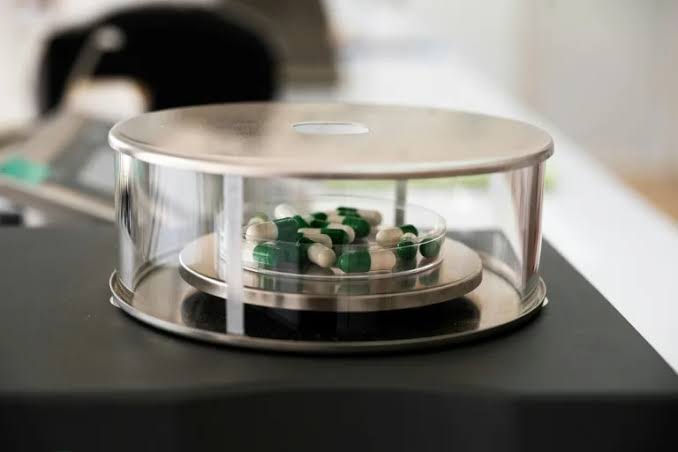

Africa accounts for nearly 80 per cent of the global burden of sickle cell disease, yet patients across the continent have traditionally depended heavily on medicines imported from Europe and the Americas.
Now, a Senegalese pharmaceutical company is changing that narrative with the production of what it describes as the first Africa-made treatment for the inherited blood disorder, raising fresh hope for millions of people living with sickle cell disease.
Teranga Pharma is manufacturing a generic version of hydroxyurea, a medicine recommended by the World Health Organisation (WHO) for the management of sickle cell disease.
The drug, produced under the brand name Drepaf, is being manufactured at the company’s facility in Senegal.
Teranga Pharma CEO, Mouhamadou Sow, said the development was driven by the need to improve African patients’ access to the active pharmaceutical ingredient.
“Africans do not have access to the active ingredient. So the first key point is that Teranga Pharma has enabled Senegalese and Africans to gain access to this molecule,” he said.
Hydroxyurea is regarded as a key treatment in sickle cell management because it can reduce painful crises, hospitalisations, the need for blood transfusions and premature deaths.
Drepaf is available in 500mg tablets for adults and a 100mg formulation for children. The treatment was launched in November 2025, while Teranga Pharma is now expanding production and exploring opportunities to distribute the medicine across other African countries.
The company’s ambitions extend beyond Senegal. Its project is backed by approximately $7.1 million in funding and includes technical cooperation with an Indian partner.
Teranga Pharma says it is working with Burkina Faso, Guinea and Côte d’Ivoire, while it has also received requests from the Democratic Republic of Congo, Gabon and Cameroon. Its longer-term goal is to meet demand for the medicine across sub-Saharan Africa by 2030.
The development is significant because sickle cell disease remains one of Africa’s major inherited health challenges. The condition can cause severe anaemia, chronic pain, fatigue, recurrent infections and repeated hospitalisation. For children and young people, it can also disrupt schooling and other aspects of everyday life.
For decades, dependence on imported medicines has created challenges around cost, availability and supply. Local pharmaceutical production could help reduce some of those pressures by bringing manufacturing closer to the patients who need the medicines.
The significance also goes beyond sickle cell disease.
African governments have increasingly identified local pharmaceutical manufacturing as an important component of health security. The COVID-19 pandemic exposed the vulnerability of countries that depend heavily on international supply chains for essential medicines, vaccines and other medical products.
Producing medicines locally can reduce that dependence and improve resilience when international supply chains are disrupted. But local production alone does not guarantee that medicines will be affordable or readily available.
Manufacturers must operate at sufficient scale, maintain rigorous quality and regulatory standards, secure reliable supplies of raw materials and ensure that finished products reach hospitals, pharmacies and patients.
For people living with sickle cell disease, however, the emergence of an African-made hydroxyurea offers an important shift: a continent carrying the largest share of the disease burden is beginning to produce one of the medicines used to manage it.
If production can be sustained, expanded and made affordable, Drepaf could become more than a Senegalese pharmaceutical milestone. It could represent a step towards a more self-reliant African health system, one in which the continent increasingly manufactures the medicines its people need.


