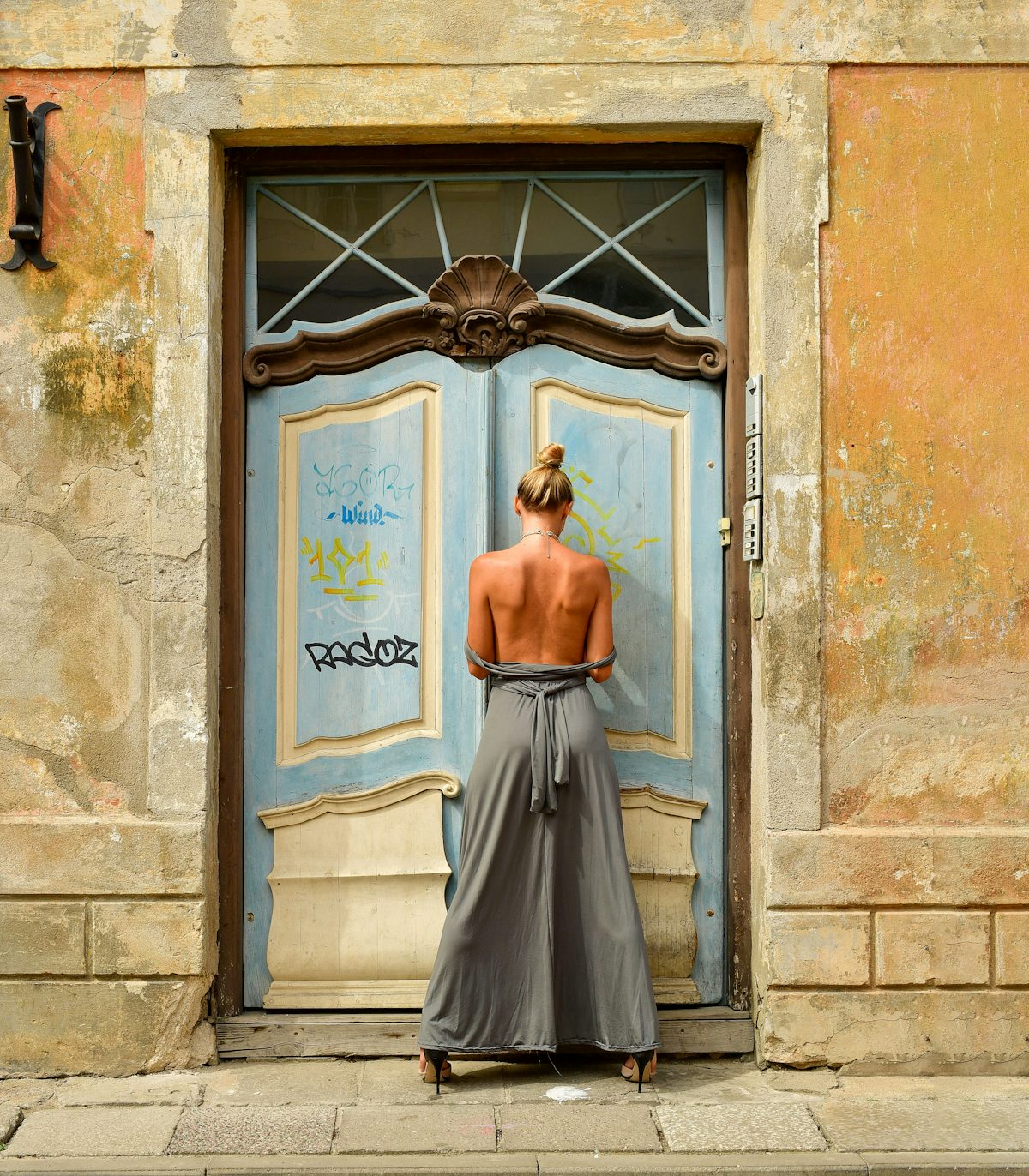

This sort of clothing was once dismissed as worn-out clothing or a symbol of neglect, distressed fashion has evolved into one of the defining aesthetics of contemporary style.
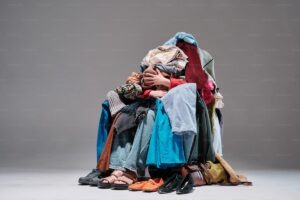
Characterised by ripped denim, faded fabrics, frayed hems and intentionally aged finishes, the trend is enjoying a global renaissance, driven by luxury fashion houses, sustainability advocates and a new generation of consumers seeking authenticity over perfection.
What was once associated with rebellion has now become a billion-dollar fashion statement. Luxury brands such as Balenciaga have embraced distressed finishes, reimagining iconic designs like the Le City bag in washed denim, waxed suede and weathered lambskin, while designers across continents continue to blur the line between vintage appeal and high fashion.
The shift might turn out to be a broader cultural change. Rather than viewing signs of wear as imperfections, consumers are increasingly embracing clothing that tells a story.
“Designers are clearly tapping into the aesthetic, which validates what we’ve been witnessing on the resale side for some time now. When luxury houses present aged pieces, it reframes perception. It tells consumers that these qualities are not flaws, but features,” said Rosie Gunn, founder and CEO of Endless, a UAE-based pre-loved luxury fashion platform.
For creative director and founder of 1602, Ahmed Rashwan, the appeal runs deeper than fashion trends.
“In a world that often feels overly polished, imperfection brings us back to something honest, something human. And that’s why it resonates so strongly today,” he said.
Across Africa, however, distressed fashion is taking on a unique identity. Rather than simply following global trends, designers are using distressed aesthetics to address one of the continent’s biggest environmental challenges, textile waste.
East and West African creatives are transforming discarded garments into premium collections, giving new life to clothes that would otherwise end up in landfills or waterways. At events such as Nairobi Fashion Week, designers have showcased streetwear crafted from cast-off clothing sourced from Kenya’s Gikomba market, while Ghanaian fashion innovators continue converting imported fast-fashion waste into contemporary designs that combine sustainability with artistic expression.
Alongside these eco-conscious movements, distressed denim has become a staple of youth fashion across Nigeria, Ghana and Kenya. Particularly popular among Nigeria’s Alté subculture, the look features ripped jeans, layered silhouettes, oversized garments and bleached fabrics, creating a style that blends thrift culture with premium craftsmanship.
Among the designers helping redefine the movement is Nigerian fashion creative Tobechukwu Asikoko, founder of the label Tobe Asikoko. His collections merge African heritage with contemporary tailoring, incorporating distressed textures, layered construction and symbolic motifs inspired by migration, identity and cultural exchange.
His recent showcase at the Gambia International Fashion Week, themed Unity and Movements, explored themes of migration, Gambian Attaya tea traditions, travel routes and shared West African heritage through garments that balanced modern aesthetics with cultural storytelling.

Since launching his fashion career in 2019, Asikoko has expanded his influence beyond Nigeria after relocating to the United Kingdom, where he earned a Master’s degree in Design with Advanced Practice from Teesside University. His work reflects a growing generation of African designers proving that distressed fashion is not merely about ripped clothing but about history, identity and craftsmanship.
The trend also aligns with the rapid expansion of the global resale and circular fashion economy. As consumers increasingly embrace second-hand luxury, upcycled clothing and sustainable shopping, distressed fashion has found renewed relevance by challenging conventional ideas of perfection and consumption.
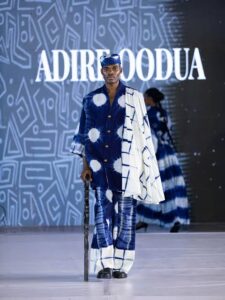
Fashion analysts argue that Africa’s interpretation of distressed fashion may ultimately prove more influential than Western versions because it is rooted in necessity as much as creativity. While luxury houses often manufacture garments to appear aged, many African designers begin with discarded materials, transforming waste into premium pieces that carry environmental, cultural and economic value.
For many young consumers, the appeal extends beyond aesthetics. Distressed fashion represents individuality in an era of mass production, allowing wearers to reject uniformity while embracing personal expression. Every tear, faded patch and reconstructed seam becomes part of a garment’s narrative rather than a defect to be hidden.
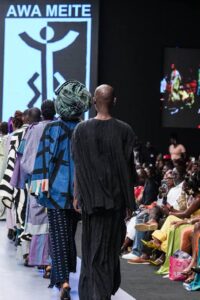
As global fashion increasingly shifts toward sustainability and circular design, Africa’s designers appear well positioned to shape the conversation. Their approach demonstrates that what was once considered old, damaged or disposable can become a powerful symbol of innovation, identity and responsible luxury.