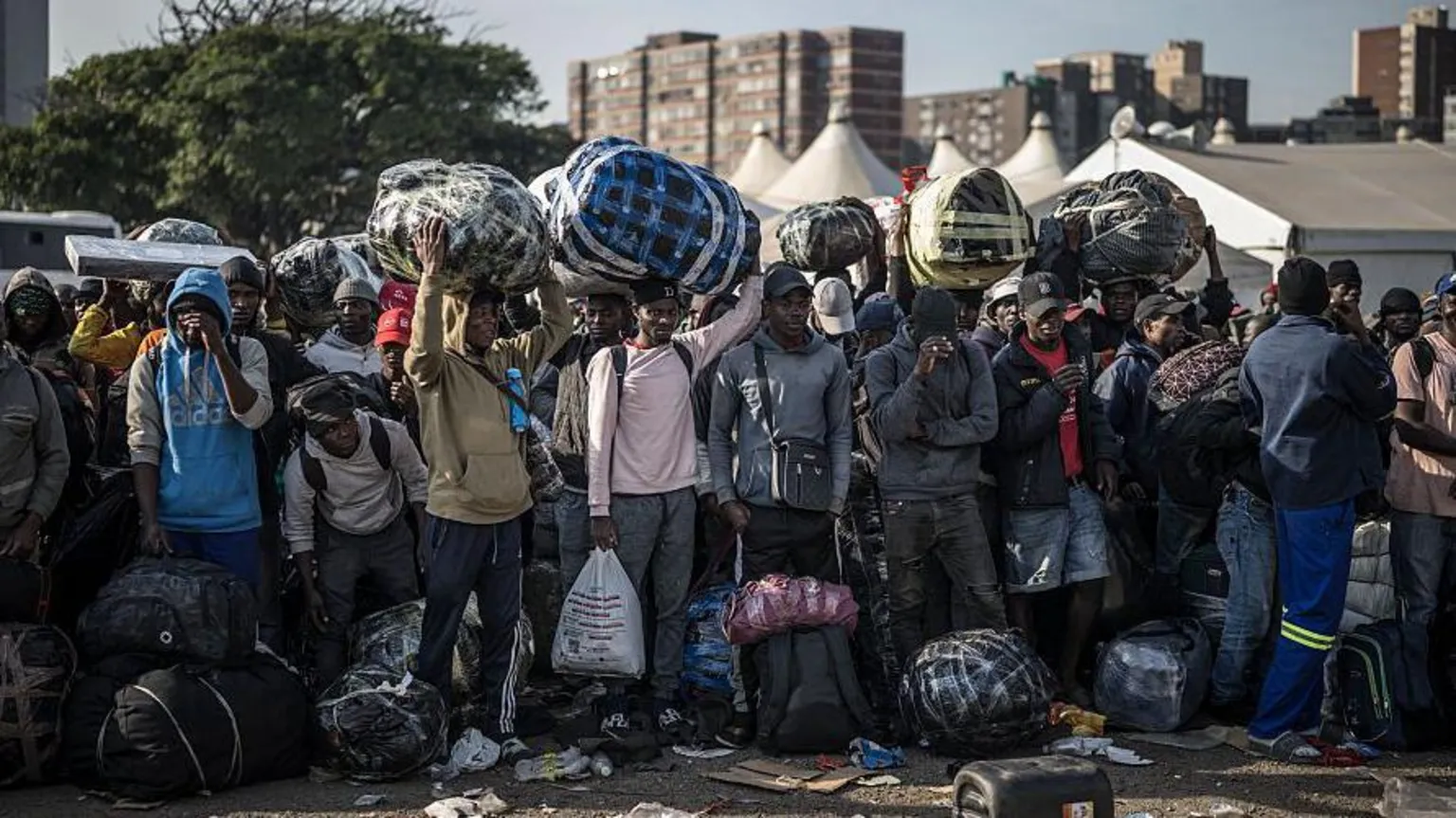

The relief on the faces of hundreds of Nigerians and other African migrants leaving South Africa is difficult to ignore. For many, evacuation offers an escape from weeks of fear, intimidation and uncertainty after anti-migrant protests swept through several communities. Yet for many returning home, relief is only temporary. They now face another uncertainty, rebuilding their lives in economies they left behind in search of opportunity.
The latest wave of anti-migrant demonstrations has once again exposed the fragile relationship between South Africa and many African nationals who have long viewed the country as a destination for work and better prospects.
Thousands of migrants have been forced from their homes as protesters accused foreigners of taking jobs, fuelling crime and placing pressure on public services.
South African police say about 25,000 migrants have so far been repatriated, the majority from other African countries. Although authorities described most demonstrations as peaceful, they acknowledged isolated incidents of looting, vandalism and assaults that left many migrants fearing for their safety.
In Johannesburg’s Yeoville district, protesters reportedly hurled bricks at homes occupied by migrants. In Germiston, demonstrators allegedly forced suspected undocumented foreign nationals from their residences before handing them over to police for immigration checks. Across affected communities, many migrants who chose to remain have continued to live under the shadow of intimidation.
The protests have been driven largely by anti-migrant organisations, including Operation Dudula, whose members insist they will continue working with authorities to identify and remove undocumented foreign nationals. The movement argues that illegal immigration contributes to South Africa’s unemployment crisis, rising crime and pressure on public resources.
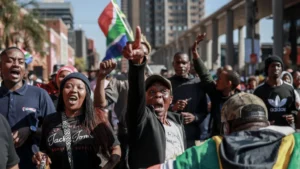
On the eve of the demonstrations, President Cyril Ramaphosa met protest leaders in an attempt to calm tensions. While acknowledging public concerns over immigration, he urged demonstrators to reject violence and intimidation, warning that the rule of law must prevail.
However, Nigeria’s Consul General in South Africa, Ninikanwa Okey-Uche, rejected attempts to blame migrants for the country’s socioeconomic problems.
“Migrants make up less than 10 per cent of South Africa’s population. They are not and cannot be the problem. They are basically being scapegoated,” he said.
Officials from South Africa’s Border Management Agency, however, maintained that many of those repatriated lacked valid documentation to remain in the country legally, explaining the government’s position that immigration laws must be enforced.
The renewed tensions come against the backdrop of South Africa’s persistent economic struggles. With unemployment hovering around 32 per cent, millions of citizens continue to grapple with poverty, inequality and limited economic opportunities. Analysts say such conditions have repeatedly fuelled resentment towards foreign nationals, who are often portrayed as competitors for scarce jobs and public services despite limited evidence that migrants are responsible for the country’s structural challenges.
For Nigeria and other African countries, the latest expulsions raise broader questions about regional integration and the promise of African solidarity under initiatives such as the African Continental Free Trade Area (AfCFTA). While governments continue to promote a vision of greater continental cooperation, recurring xenophobic violence threatens to undermine that ambition.
The human cost extends beyond statistics. Many migrants have lost businesses painstakingly built over years, watched homes and shops destroyed, and returned to countries where economic hardship remains severe. Compensation promises may offer some hope, but for many victims, replacing lost livelihoods will be far more difficult than boarding an evacuation flight.
The latest crackdown may eventually subside, but its scars are likely to endure. Trust between communities has once again been shaken, diplomatic relations have come under renewed strain, and thousands of African families have been reminded that the search for opportunity can quickly become a struggle for survival. Both South Africans and the migrants affected by these events are unlikely to forget this painful chapter anytime soon.