Africa’s-Startup Capitals: How Lagos, Nairobi, Cape Town, Kigali and Cairo Are Redefining Global Innovation

Africa’s startup ecosystem is rewriting the continent’s economic story, with cities like Lagos, Nairobi, Cape Town, Cairo, and Kigali emerging as global players in innovation.

Each city, often dubbed a “startup capital,” has carved out a niche in fintech, e-commerce, agritech, and digital transformation. Yet, the path to securing funding remains steep, especially for early-stage ventures, as investment still largely comes from overseas backers.
Lagos, Nigeria, often referred to as “Africa’s Silicon Valley”—has already become a global rising star. Ranked first in Dealroom.co’s 2025 Tech Ecosystem Index “Rising Stars” category, Lagos recorded a staggering 1,100% growth rate since 2017. The city is home to five unicorns, each valued at more than $1 billion.
Unlike Johannesburg and Cape Town, where markets are spread across multiple neighborhoods, Lagos benefits from a centralized commercial hub in Marina and Victoria Island. However, infrastructure challenges persist, particularly the lack of large-scale spaces for expanding companies. Entrepreneurs like Iyin Aboyeji are responding, with plans to build a 72,000-square-foot business park to house the growing talent pool.
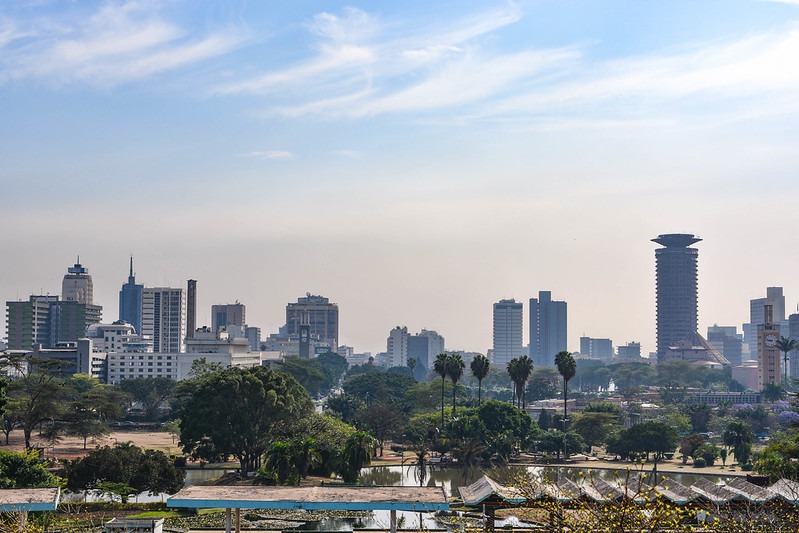
Nairobi, Kenya, widely celebrated as the “Silicon Savannah,” is East Africa’s beating tech heart. The city’s fintech revolution was spearheaded by M-Pesa, the mobile payment system that reshaped financial inclusion in 2007. Since then, startups such as M-Kopa, Lendable, and Tala have anchored their operations in Nairobi, while major investments like Microsoft’s $1 billion data center, signal global confidence in the city’s ecosystem. Incubators such as iHub and Nailab, along with U.S. Embassy-backed innovation hubs, have fueled creativity, giving Nairobi a platform to attract global partnerships and accelerate homegrown ideas.
South Africa, while sometimes overshadowed in funding volume by Nigeria, Kenya, and Egypt, leads the continent in successful startup exits. Cape Town is considered the nation’s startup capital, with Johannesburg following closely. Venture capital firms like Knife Capital focus on scaling African innovations globally, emphasizing three essentials: a standout product, a large market, and a capable entrepreneurial team. Between 2015 and 2021, South Africa’s startup funding grew from $50 million to nearly $350 million, reflecting the growing strength of its ecosystem.
Rwanda’s Kigali has taken a different route, powered by government-led digital transformation efforts. Today, 4G and 5G networks cover 95% of the city, and the Kigali Innovation City stands as a hub for universities, incubators, and tech startups. With institutions like Carnegie Mellon University and African Leadership University producing around 2,600 tech graduates annually, Kigali is cultivating talent at scale. However, the city faces a “brain drain,” as salaries in Nairobi and other hubs remain more competitive. Initiatives like the UNDP-backed Timbuktu Fund aim to reverse this trend by boosting local opportunities and wages.
Meanwhile, Cairo and Johannesburg continue to rank among Africa’s leading ecosystems. Cairo leverages Egypt’s large market and growing pool of engineers, while Johannesburg combines corporate backing with growing venture capital activity. Together with Lagos, Nairobi, Cape Town, and Kigali, these cities represent the dynamic tapestry of African innovation.
Across the continent, one recurring theme emerges: education. From Nigeria’s Global Partnership for Education grant, pledging $100 million between 2024 and 2027 to improve infrastructure and teacher training—to Rwanda’s coding bootcamps and universities, the next generation of African tech talent is being prepared for the global stage.
With necessity-driven innovation at its core, Africa’s startup capitals are not only attracting investors but also redefining how the world views innovation from the continent.