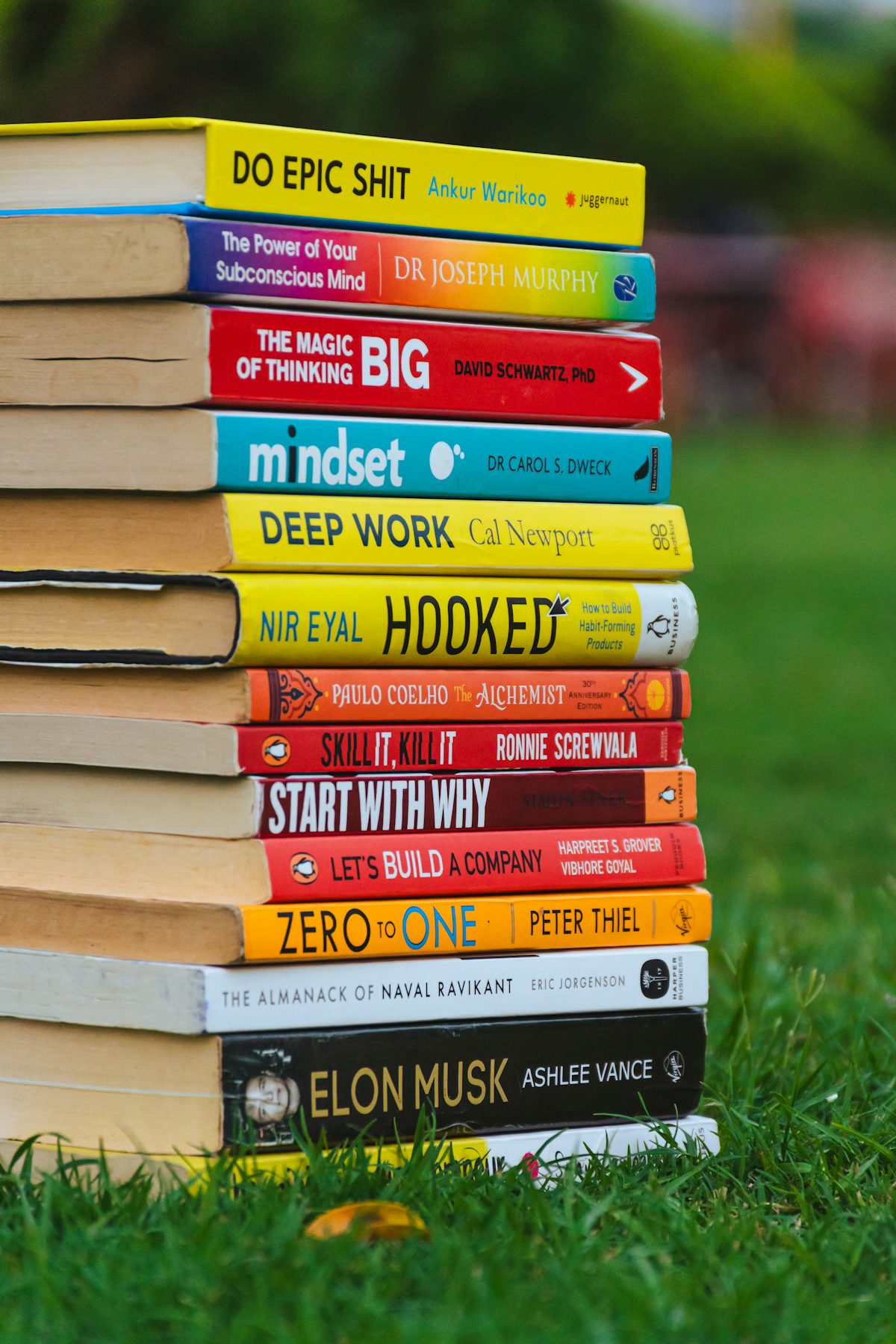
World Book Day: Why Nigeria Must Take the Celebration More Seriously

Every year on April 23, the world marks World Book Day, a global celebration of books, reading, and the enduring power of the written word.
But beyond the ceremonies, the day raises a deeper question: are we truly valuing books as the intellectual treasures they are?

According to the European Writers Council, Books remain one of humanity’s most powerful tools. They preserve history, expand knowledge, and bridge cultures across time and space. The written word continues to shape human consciousness, connecting individual experiences to a broader, shared understanding of the world. Yet, despite this significance, the culture of reading is steadily losing ground, particularly among younger generations.
In Nigeria, the importance of books is both historical and immediate. From the literary influence of Chinua Achebe to the global acclaim of Wole Soyinka, literature has long played a defining role in shaping national identity and public discourse. Today, a new generation of writers is emerging, but the audience they depend on is evolving in ways that raise concern.
Studies and classroom observations suggest that many students now read primarily for examinations, focusing on likely test materials rather than engaging deeply with texts. Recreational reading is declining, as digital platforms increasingly compete for attention. In a fast-paced digital environment where information is instant, reading, once immersive and reflective is often reduced to summaries, shortcuts, and selective consumption.
Educators warn that while access to information has improved, the ability to sustain attention and think critically is weakening. The discipline required to read full texts, analyse ideas, and form independent opinions is gradually being replaced by quick scans and surface-level understanding.
Nevertheless, the Reproduction Rights Society of Nigeria (REPRONIG) has raised concerns about another growing challenge, copyright infringement. Its chairman, Gbadega Adedapo, describes books as “the architecture of civilisation,” stressing that unauthorised reproduction of literary works undermines both the economic value and dignity of creators.
According to the society, widespread piracy especially in the digital age, poses a serious threat to Nigeria’s creative and knowledge economy. REPRONIG has therefore called for stricter enforcement of copyright laws and greater public awareness of intellectual property rights to ensure that authors and publishers receive fair recognition and compensation.

Globally, UNESCO continues to champion the role of books in education, cultural preservation, and human development. Activities marking the day, from storytelling sessions to book fairs are designed to make reading engaging and accessible. But beyond these events lies a more urgent responsibility: rebuilding a reading culture that values depth over speed and knowledge over convenience.
If Nigeria is to nurture informed, creative, and resilient citizens, books must reclaim their central place in society. World Book Day should not just be a symbolic celebration, it should serve as a call to action to read more, protect intellectual work, and invest in the ideas that shape the future.