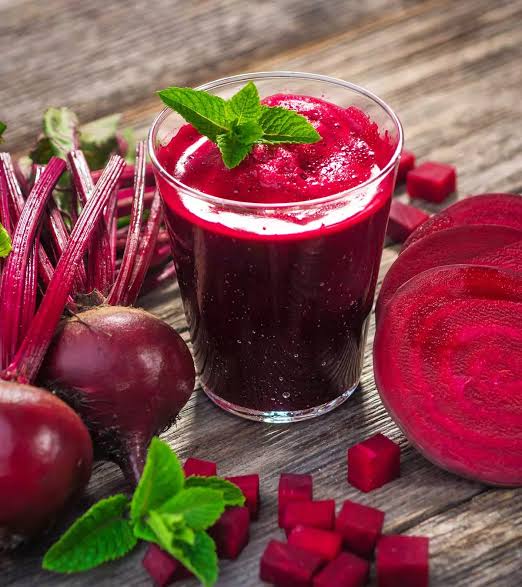

Beetroot, often overlooked in everyday diets, packs more nutritional power than it gets credit for, and for women in particular, it can offer some meaningful health benefits when consumed the right way.

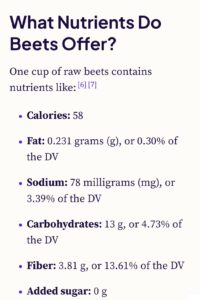
Rich in fibre, potassium, iron, folate, and antioxidants, beets juice support several core body functions. A single cup of raw beetroot contains about 3.8 grams of fibre, which plays a key role in digestion, stabilising blood sugar, and maintaining gut health. For women juggling hormonal cycles, metabolism, and energy levels, that’s not a small advantage.
One of beetroot’s standout components is its natural nitrates. Once consumed, these are converted in the body into nitric oxide, a compound that helps widen blood vessels, improve circulation, and enhance muscle efficiency. In practical terms, this can support heart health and physical performance, especially as women age or enter postmenopausal stages.
Iron is another crucial factor. Women, particularly those who menstruate, are more vulnerable to iron deficiency. Beetroot can help replenish iron stores lost during monthly cycles, supporting energy levels and immune function. It’s not a cure-all, but it’s a helpful dietary addition in a broader iron-rich plan.
For pregnant women, beetroot becomes even more valuable. Its high folate content supports fetal development, while iron helps prevent anaemia. The nitrates may also aid blood flow to the placenta. In moderate amounts, it’s widely considered a safe and beneficial addition to pregnancy diets.
However, how you consume beetroot matters.
Beet juice, while convenient, comes with trade-offs. Unlike whole beets, it contains little to no fibre, which means sugars are absorbed more quickly into the bloodstream. This can cause sharper spikes in blood sugar, something people with diabetes or prediabetes need to be cautious about. The lack of fibre also means you lose part of what makes beetroot so beneficial in the first place.
There’s also a blood pressure angle. Because beetroot can lower blood pressure through its nitrate content, people already on blood pressure medication or those with naturally low blood pressure should be careful with frequent or high intake, especially in juice form.
Interestingly, studies on postmenopausal women suggest that daily beetroot juice may improve cardiovascular function. But there’s a catch: the benefits appear to fade quickly, sometimes within 24 hours of stopping consumption, meaning consistency matters if it’s being used for that purpose.
So, can beets improve women’s health? Yes but with nuance.
They’re not a miracle food, but they are a nutrient-dense, functional addition to a balanced diet. Eating whole beets regularly offers the best mix of fibre, vitamins, and sustained benefits. Juice can complement this, but shouldn’t replace whole foods entirely.
In the end, beetroot’s strength lies in consistency, moderation, and how well it fits into an overall healthy lifestyle, not in quick fixes or trends.