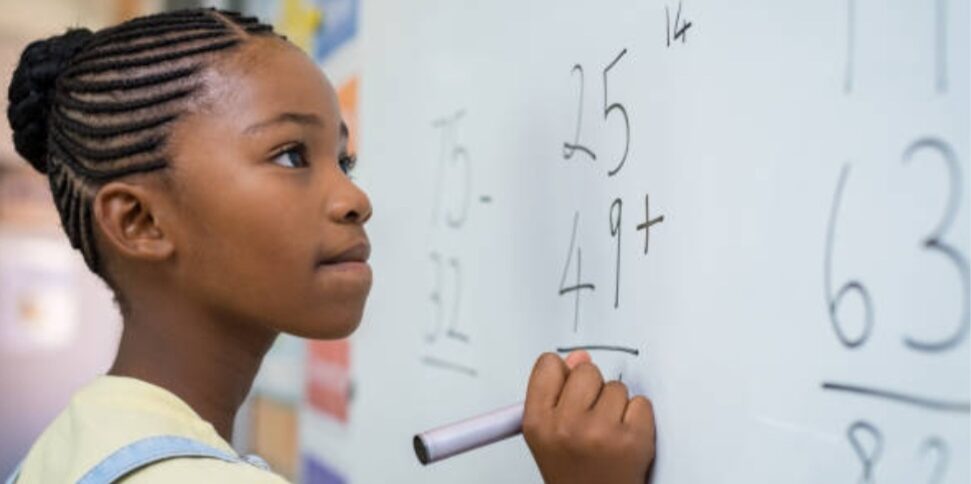

There are deficits in our educational system in many parts of Africa. To triump, there must be dilligence and consistency in efforts.
A comprehensive ssurvey recently conducted by UNICEF, in collaboration with national governments and partners, has shown significant challenges impeding children’s education across Eastern and Southern Africa. The study, encompassing over 5,471 children from countries including Botswana, Malawi, Mozambique, Namibia, South Africa, Zambia, and Zimbabwe, reveals a paradox: while 87% of children are aware of their rights—particularly the right to education—substantial obstacles persist in accessing quality learning.
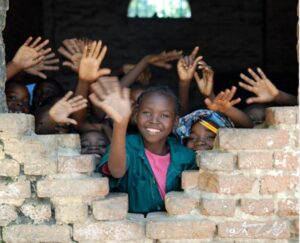
Key Findings:
– Barriers to Education: Children identified several critical impediments to their education, including a lack of learning materials, prohibitive school fees, long distances to schools, and overburdened teachers. These factors contribute to the region’s alarming statistic that 9 out of 10 children aged 10 are unable to read and understand a simple story, indicating a severe learning poverty crisis.
– Menstrual Health Challenges: During virtual consultations, many girls highlighted inadequate access to menstrual hygiene products and insufficient support for menstrual health and hygiene in schools, exacerbating gender disparities in education.
– Children’s Role in Education – Improvement: Encouragingly, 62% of children expressed a belief in their ability to contribute to enhancing the quality of education, signaling a readiness to engage in solutions.
Regional Insights:
– Tanzania’s Vision 2050: In a survey involving over 14,000 children, 40% prioritized education as the nation’s top focus by 2050, with an emphasis on digital literacy, entrepreneurship, and vocational training, reflecting a forward-thinking perspective among the youth.
– Somalia’s Educational Landscape: Consultations with 321 children revealed that many, especially those internally displaced or from minority communities, do not attend school in safe, clean, or accessible environments. Girls and children with disabilities face heightened challenges, with reports of feeling unsafe in and around school premises. The country’s primary school enrollment rate stands at a mere 34%, underscoring the need for urgent intervention.
Expert Analysis:
Dr. Mary Okumu, an education specialist with UNICEF, emphasizes the multifaceted nature of the crisis: “The convergence of inadequate infrastructure, socio-economic barriers, and gender-specific challenges creates a complex web that hinders educational progress in sub-Saharan Africa. Addressing these issues requires a holistic approach that includes policy reform, community engagement, and substantial investment in educational resources.”
Also, a leading expert in African educational development,Professor Kwame Mensah, adds: “The data underscores a critical need for targeted interventions. Prioritizing equity, maximizing instructional time, and improving pedagogical quality are essential steps toward transforming education systems across the continent.”
What must be done
The findings, released ahead of World Children’s Day 2024, serve as a clarion call for policymakers, educators, and international partners to prioritize education reform in sub-Saharan Africa. Strategic investments in infrastructure, teacher training, and gender-sensitive programs are imperative to break the cycle of learning poverty and unlock the region’s full potential.
As UNICEF’s recent report highlights, children in sub-Saharan Africa are at heightened risk in a rapidly changing world affected by extreme climate crises, shifting population dynamics, and widening technological gaps. Addressing educational barriers is not just a moral imperative but a strategic necessity to safeguard the futures of millions of children across the continent.