Nigerian Student Accused of Blackmailing Canadian Teenager With Nude Photos

The case was uncovered in an investigation by the Associated Press (AP) and FRONTLINE, which examined how online fraudsters target foreign victims through social media platforms.
According to the investigation, the Nigerian student, identified only as Ayomide, allegedly posed as a young woman named Ava on TikTok to establish contact with unsuspecting male users.
The Canadian teenager told investigators that he was persuaded to share intimate photographs with the account, only to discover that he had become a target of blackmail.
Ayomide allegedly threatened to distribute the images to the victim’s family, friends and employer unless he paid money.
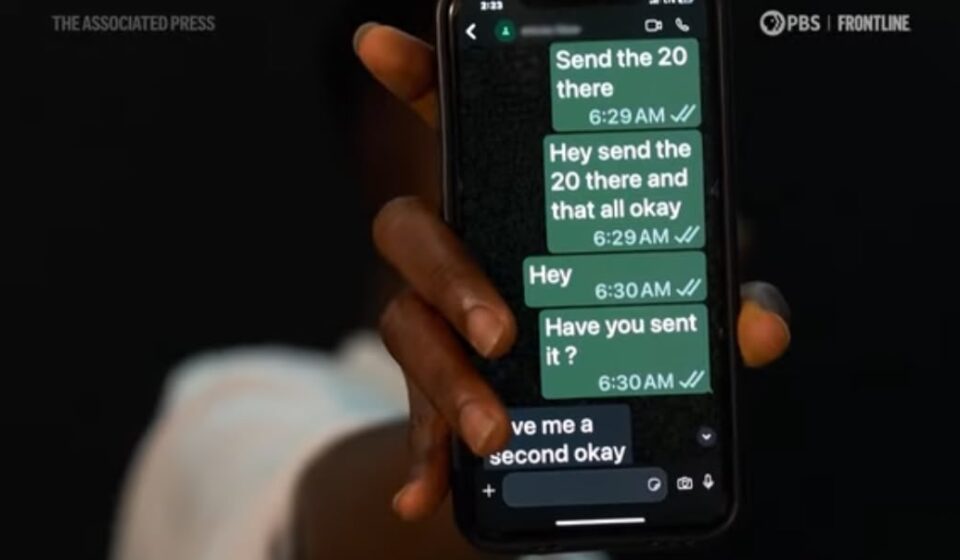
The teenager initially transferred $500 in response to the threats but soon discovered that the demands had not ended.
When he asked whether the payment had settled the matter and suggested they go their separate ways, Ayomide reportedly told him that the situation was not that simple.
The victim eventually paid nearly $2,000, according to the investigation.
The report found that Ayomide allegedly used the fake female identity to follow hundreds of foreign men and boys on TikTok, engaging those who followed the account back before initiating private conversations.
AP journalists reportedly met the suspect in Lagos, where he shared chat records from some of his successful operations, including the extortion involving the Canadian teenager.
During the encounter, Ayomide said he had learnt the technique from friends and disclosed that he was studying computer science while working as an apprentice in a barbershop.
He reportedly explained that although he preferred cutting hair to engaging in internet fraud, financial difficulties had pushed him towards the criminal activity.
Ayomide expressed regret over his actions against the Canadian teenager and said he would apologise if given the opportunity.
However, the victim said he would find it difficult to accept an apology from someone he described as a master manipulator.
In a video released as part of the investigation, Ayomide admitted continuing to demand money from the teenager because he needed the funds.
Reacting to the growing threat of online sexual extortion, Charles Smith, the Federal Bureau of Investigation’s law enforcement attaché in Abuja, warned that perpetrators were becoming increasingly aggressive.
He cautioned that the crime could affect any child with access to a computer or the internet, stressing the need for greater awareness and vigilance.
Also speaking to AP and FRONTLINE, the chairman of the Economic and Financial Crimes Commission, Ola Olukoyede, described internet fraudsters popularly known as Yahoo boys as a national embarrassment.
He maintained that Nigeria would no longer serve as a safe haven for individuals involved in internet-related crimes.
Sextortion involves threatening to expose someone’s intimate images or videos unless the victim meets demands for money, further photographs or other favours. The practice has become a growing concern for law enforcement agencies, particularly because of the psychological distress and financial losses it can inflict on victims.
The investigation has once again drawn attention to the use of social media for online exploitation and the involvement of Nigerians in international cybercrime networks.