From Rome to Rural Nigeria, the Battle Against Hunger Is Becoming a Fight for Peace, Security and Survival

As conflicts deepen, climate shocks intensify and hunger increase, Pope Leo XIV has delivered a stark reminder that food is not a privilege but a fundamental human right.
Addressing officials and humanitarian workers recently at the World Food Programme’s global headquarters on Monday, the pontiff urged the international community to commit greater resources to tackling the root causes of hunger and malnutrition, warning that food insecurity has become a catalyst for wider geopolitical instability.
“Meeting this need not only alleviates suffering but also addresses underlying causes of geopolitical instability,” Pope Leo said, framing access to adequate nutrition as a moral imperative and a prerequisite for lasting peace.
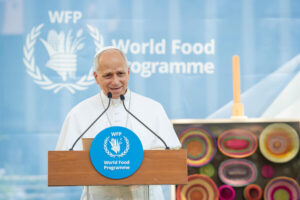
In the photo: visit to the World Food Programme Headquarters by His Holiness Pope Leo XIV
His message resonated with former World Food Programme Executive Director Cindy McCain, who described the Pope as a powerful advocate for the hundreds of millions of people who retire to bed hungry every night.

“We exist to make sure no one is forgotten,” McCain said. “The call for peace has never been more urgent. Hunger and conflict are deeply intertwined. Where wars rage, families starve.”
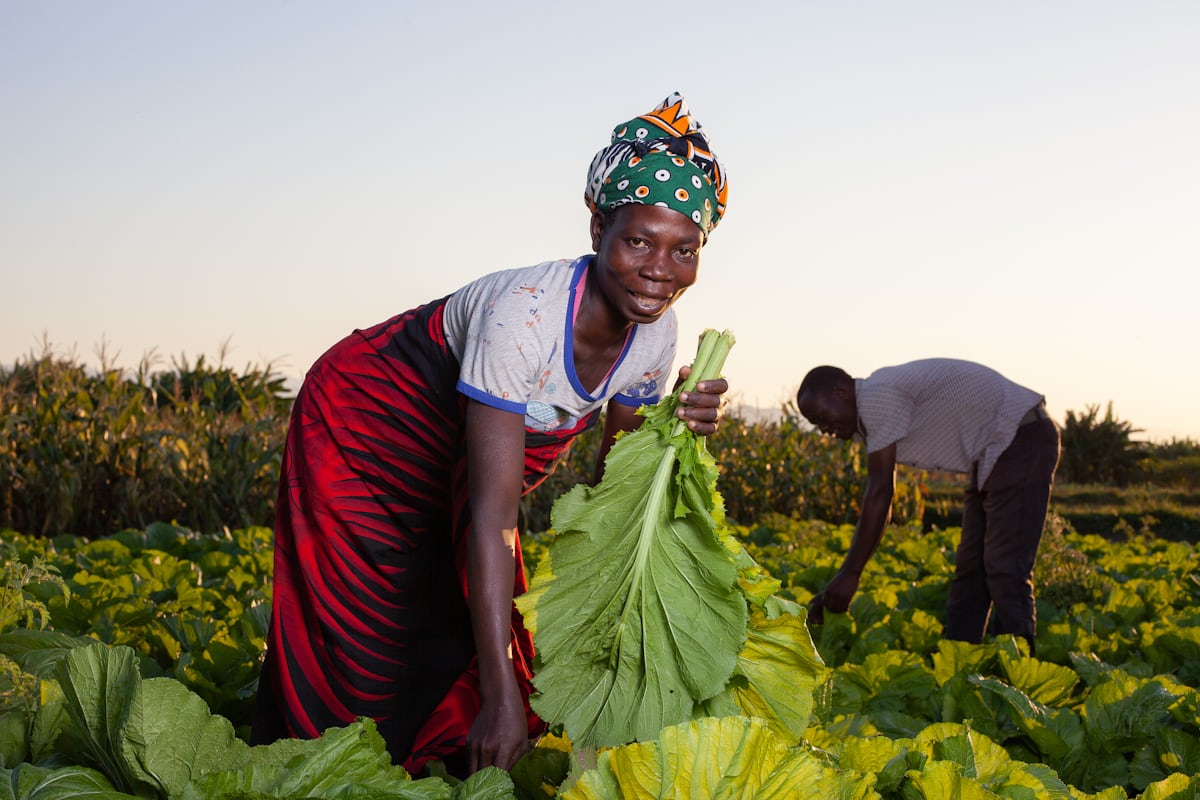
Thousands of kilometres away from Rome, that connection between insecurity and hunger is being felt acutely in Nigeria, where farmers, the backbone of the country’s food supply, are increasingly abandoning their fields amid rising violence.
The Cocoa and Plantain Farmers Association of Nigeria (CPFAN) has called on governments at all levels to deploy forest guards to farming communities, warning that the nation’s quest for food security cannot succeed if those producing food are unable to work safely.
Speaking during a collaboration programme between the association and Green World Natural Solutions aimed at promoting innovative agricultural technologies, the Southeast Vice President of CPFAN, Samuel Dickson, who represented the National President, Ayodele Ojo, lamented the growing wave of insecurity confronting farmers.
According to him, attacks by armed groups operating from forests have created an atmosphere of fear, forcing many farmers to scale back cultivation or abandon agriculture altogether. Farm invasions, destruction of crops, theft of produce and kidnappings have become increasingly common, undermining productivity and discouraging investment in the sector.
For many farmers, he warned, insecurity has become just as devastating as drought or flooding.
Yet amid the challenges, some entrepreneurs are attempting to build resilience into Nigeria’s fragile food system through innovation.
One of them is agribusiness entrepreneur Baliqees Salaudeen-Ibrahim, who co-founded Green Republic Farms with the ambition of addressing food insecurity, unemployment and the growing threat posed by climate change.
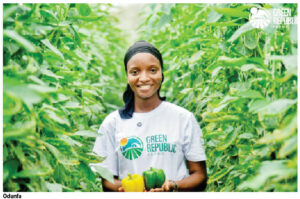
“What started as curiosity quickly evolved into a purpose-driven mission,” she said.
“Over time, I began to see agriculture not just as farming, but as a powerful tool for economic empowerment, especially for underserved communities.”
Today, the company employs climate-smart technologies including solar-powered drip irrigation systems, greenhouse cultivation and controlled open-field farming to improve productivity and reduce vulnerability to extreme weather conditions.
But innovation alone, she argues, cannot solve the structural problems facing agriculture. While government policies are increasingly geared toward food security, youth participation and economic growth, their impact is often weakened by inadequate support for micro, small and medium-sized enterprises.
“One of the most critical gaps is in financing,” Salaudeen-Ibrahim noted.
“It’s not just about access to funds, but access to the right type of financing. Agriculture requires patient, flexible and affordable capital that aligns with production cycles, seasonality and the inherent risks in farming.”
Feeding growing populations requires far more than seeds and fertilisers. It demands security, investment, climate resilience and policies capable of supporting producers through uncertain times.
Increasingly, experts warn that the consequences of food insecurity extend far beyond communities directly affected. Hunger fuels migration, exacerbates poverty, weakens economies and can intensify social unrest and conflict.
That reality explains why the issue has risen to the forefront of global discussions, with leaders, humanitarian organisations and farmers themselves recognising that food security is no longer merely an agricultural concern.
It is a question of peace, economic stability and human dignity.