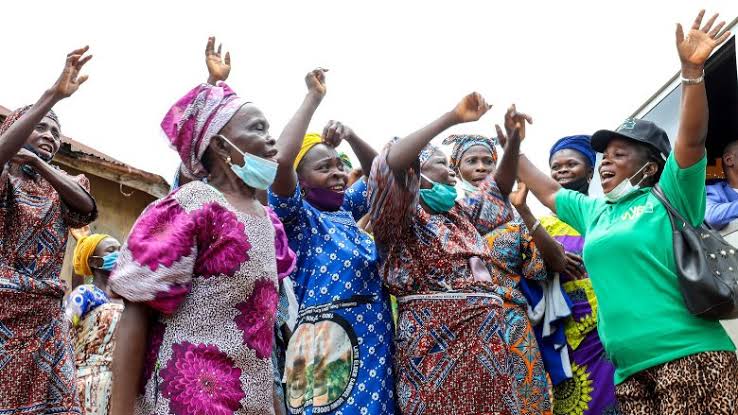

The Corporate Accountability and Public Participation Africa (CAPPA) has called on federal and state governments to implement stronger protections and adopt more inclusive policies to improve the welfare and rights of Nigerian women.
The organisation said millions of women across Nigeria continue to struggle with limited access to safe water, sanitation, healthcare, education and other essential services despite the critical roles they play in sustaining families and communities.
In a statement issued on Sunday by CAPPA’s Media and Communications Officer, Robert Egbe, the organisation said this year’s theme, “Give to Gain,” reflects the reality that Nigerian women contribute significantly to society but often receive little support or recognition in return.
According to CAPPA, women across the country carry a heavy burden of responsibilities, managing household resources, caring for children and relatives, and ensuring the survival of families, particularly during difficult economic periods.
The organisation argued that despite these contributions, many Nigerian women continue to live within systems that fail to guarantee their safety, health, political participation and economic security.
CAPPA also expressed concern about the persistence of gender-based violence in the country, citing findings from the Nigeria Demographic and Health Survey which show that about 31 per cent of Nigerian women aged between 15 and 49 have experienced physical violence, while roughly nine per cent have suffered sexual violence at some point in their lives.
The group further warned about the growing incidence of femicide in Nigeria, noting that civil society organisations and advocates have repeatedly called on authorities to treat the killing of women as a national emergency and strengthen preventive and accountability measures.
Economic inequality remains another major challenge, CAPPA said. Data from the National Bureau of Statistics indicates that women are more likely to work in low-income or informal sectors where job security and social protection are often limited.
Egbe stressed that the imbalance between women’s contributions to society and the benefits they receive must be urgently addressed through deliberate policy reforms and stronger institutional protections.
On political participation, CAPPA noted that legislative initiatives such as the proposed Special Seats for Women Bill could significantly improve women’s representation in governance and strengthen their influence in shaping national policies.
The organisation urged government leaders to prioritise policies that promote gender equality and ensure Nigerian women receive the support, protection and opportunities necessary to thrive in society.