
Electricity supply is big deal in Nigeria due to the numerous challenges that has been confronting the sector over the years. With this in mind, residents in Imo State are asking if it’s possible to enjoy constant supply of it following a recent promise by the state governor to do so.
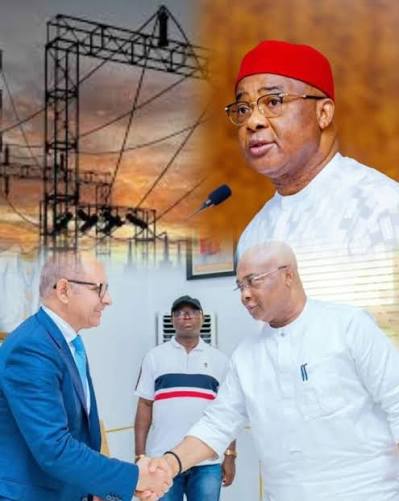
Imo State is now set to make history next month as Governor Hope Uzodimma announced plans to launch a 24-hour electricity supply, beginning with a pilot phase in Owerri metropolis and surrounding communities.
The initiative, unveiled during a stakeholders’ and expanded executive council meeting at the Emmanuel Iwuanyanwu International Conference Centre (EIICC), Owerri, over the weekend, will be powered by the Urashi Power Plant Project.
Uzodimma said the facility, backed by an enabling law, will ensure sustainable energy delivery across the state. He added that after the test phase in Owerri, other areas, including Orlu, Okigwe, and Mbaise will gradually enjoy the same uninterrupted power supply.
“This is part of our long-term energy strategy to boost productivity, attract investment, and improve living standards in Imo State,” the governor stated.
In a related move to cushion economic hardship, Uzodimma announced that residents earning less than N150,000 monthly would be exempt from paying personal income tax. He disclosed that oil companies operating in the state would help implement the new policy.
The governor also revealed that retirees and students would soon enjoy free transportation on major routes linking Owerri to Okigwe, Orlu, Aba, Onitsha, and Port Harcourt. The service will use newly procured Compressed Natural Gas (CNG)-powered metro buses as part of efforts to promote green mobility and reduce fuel costs.
“These projects reflect our vision of building a modern, people-centred economy where essential services are accessible and affordable to all,” Uzodimma said.
Stakeholders at the meeting applauded the initiative, describing it as a transformative step that could position Imo as a model for sustainable development and inclusive governance in the South-East region.