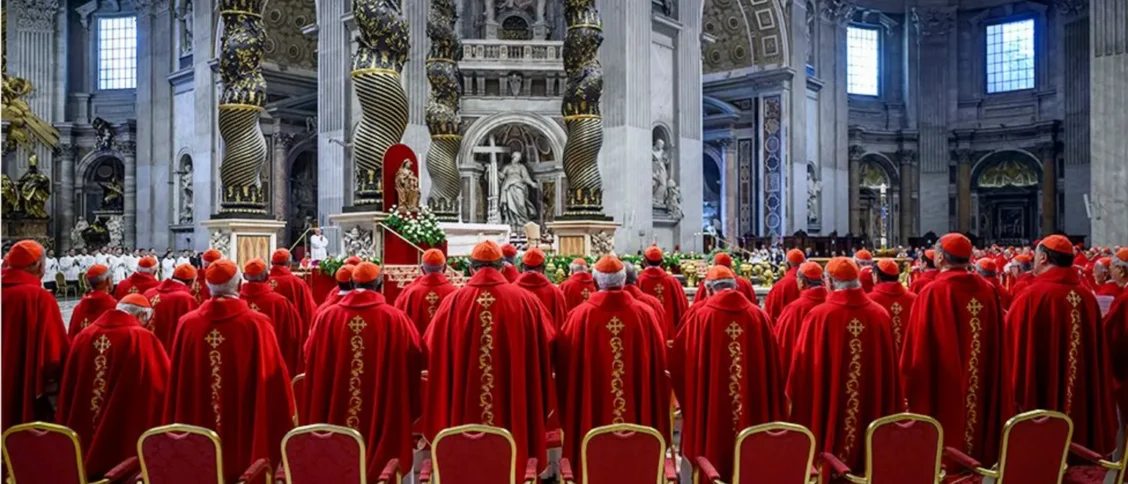

On Wednesday, May 7, 134 cardinals will gather in one of the most secretive and spiritually charged rituals in the world in the election of a new Pope. For those curious about what really happens behind the locked doors of the Vatican, the 2024 Oscar-winning film Conclave offers a rare and riveting insight.
Adapted from Robert Harris’ bestselling novel, Conclave takes viewers deep into the inner sanctum of the Roman Catholic Church, revealing the complex, tension-filled process of papal election; one built on tradition, secrecy, and a quest for divine guidance. It may be fiction, but much of what the film portrays mirrors the real-world protocol that will unfold next month in the Sistine Chapel.
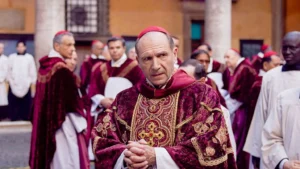
Beneath Michelangelo’s awe-inspiring frescoes, the cardinal-electors will isolate themselves from the outside world. No phones. No media. No interference. The only sign that a decision has been made will be the ancient signal: white smoke billowing from the chapel’s chimney.
The film’s depiction of this cloistered environment is striking. As theology professor Stephen Bullivant notes, while the cardinals are not entirely cut off (they still require food and care), the idea is to create a spiritual and psychological space that shields them from outside influence.
This tradition of seclusion dates back centuries and is meant to foster discernment, a sacred pause from worldly noise. Still, it clashes sharply with our modern obsession with transparency and instant information, a point highlighted by Professor Anna Rowlands of the University of Durham.
While the most dramatic scenes in Conclave revolve around the vote itself, much of the real drama occurs in the days leading up to the conclave. Here, cardinals build rapport, discuss priorities, and quietly align on the kind of leader the Church needs. It’s a political process, but also profoundly spiritual.
The film adds a fictional twist with the revelation of a hidden cardinal, secretly appointed by the deceased pope. While such a surprise would make for gripping headlines, in reality, only those publicly appointed cardinals can vote. Still, the coming conclave promises unpredictability.
Why? Because nearly 80% of the cardinals eligible to vote were appointed by Pope Francis himself. His choices reflect his vision of a global Church, diverse, decentralised, and deeply rooted in social justice. Many of his appointees hail from the Global South, offering perspectives and experiences far removed from the traditional European-dominated conclaves of the past.
As the Church prepares to elect a new leader, Conclave reminds us of the weight of the moment is not just for Catholics, but for a world watching how a faith tradition spanning two millennia confronts its future.