
Harris or “Hamilton”?
Who is ahead?
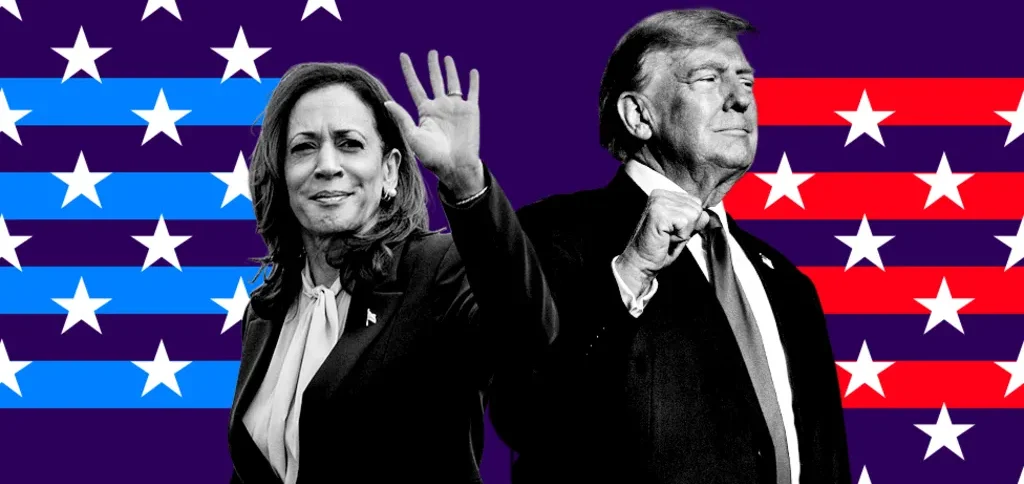
As the United States approaches election day on November 5, the race for the presidency has taken an unexpected twist. Initially expected to be a rematch between President Joe Biden and Donald Trump, the campaign took a dramatic turn in July when Biden ended his reelection bid and endorsed Vice-President Kamala Harris. With Harris now at the helm, the nation faces a pivotal question: will America elect its first woman president, or will Donald Trump secure a second term in office?
Since her entry into the race at the end of July, Harris has maintained a slight lead over Trump in national polls, with her advantage bolstered after the candidates faced off in a highly anticipated debate on September 10. The televised debate, held in Pennsylvania, drew an audience of over 67 million viewers and seemingly worked in Harris’s favor. In the week following the debate, her lead over Trump increased from 2.5 to 3.3 percentage points. This marginal boost, reflected in polling averages, was due in part to a slight dip in Trump’s numbers.
However, national polls are not the ultimate decider of a U.S. presidential election. The nation’s electoral college system assigns each state a number of votes based on population, requiring a candidate to secure 270 of the 538 available votes to win. While there are 50 states, the outcome is often determined by a handful of battleground states where both candidates have a chance of victory.
According to The BBC, these swing states—like Pennsylvania, Michigan, and Wisconsin—are where the real contest lies.
Currently, the polling in the seven battleground states is incredibly tight, with only one or two percentage points separating Harris and Trump. Pennsylvania stands out as particularly crucial due to its significant number of electoral votes. Winning Pennsylvania could provide a decisive advantage in reaching the 270-vote threshold. On the day Biden exited the race, he had been trailing Trump by nearly five percentage points in these battlegrounds, underscoring the shifting dynamics with Harris now leading the Democratic ticket.
Despite fewer polls being conducted at the state level, making the data less comprehensive, emerging trends point to Harris gaining ground in key battleground states. Since the beginning of August, Harris has maintained a lead in Michigan, Pennsylvania, and Wisconsin, albeit by narrow margins. These states had been reliable Democratic strongholds until Trump flipped them in 2016, leading to his first presidential victory. Biden managed to win them back in 2020, and if Harris can repeat that success, her path to the White House becomes much clearer.
The impact of the electoral college system means that both candidates are focusing their campaign efforts on these swing states. Trump, known for his fervent rallies, has been making frequent visits to these regions, while Harris has leaned on grassroots organizing and a focus on pressing issues such as reproductive rights and healthcare. The campaigns’ strategies reflect the importance of persuading the relatively small group of undecided voters in these pivotal states.
With less than a month until election day, the contest remains finely balanced. The possibility of America electing its first woman president looms large, yet the specter of a second Trump term still holds sway.
As voters prepare to head to the polls, the nation watches, poised on the brink of a historic decision—one that will shape the future of the United States and its place in the world.
Again, who is ahead?