
As global travel rebounds in 2026, a lot of people are visibly demanding more meaningful, “authentic” holiday experiences, however, shrinking budgets and rising uncertainty is making that pursuit increasingly difficult.
According to a BBC report, ABTA says more travellers, particularly from the UK are ditching traditional all-inclusive packages in favour of immersive, off-the-beaten-path destinations. In fact, two in five Britons are planning to visit a country they’ve never been to this year, signalling a growing appetite for exploration over convenience.
But this wanderlust is colliding with a harsh reality. Ongoing tensions in the Middle East, coupled with warnings of jet fuel shortages, are driving up travel costs and forcing many to rethink their plans altogether. For others, the global cost-of-living crisis is proving an even bigger barrier, pushing holidays out of reach.
Still, for those determined to travel, a handful of lesser-known destinations are gaining traction, offering a blend of affordability and unique experiences.
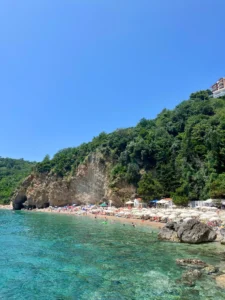
Among them is Montenegro, increasingly touted as a “budget Croatia.” With its compact size, visitors can move seamlessly between beaches, historic towns, and mountainous landscapes. Its appeal lies in versatility, offering a Mediterranean feel without the Mediterranean price tag.
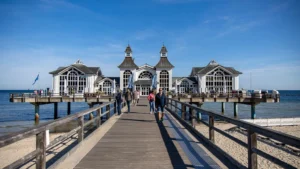
Further north, the Baltic region is quietly rising. Countries like Estonia, Finland, and Lithuania are drawing families and solo travellers alike. Cooler summer temperatures, scenic coastlines, and easy cross-border travel such as the ferry link between Helsinki and Tallinn make the region attractive for those seeking a different pace of travel. Lithuania’s rich history, underscored by multiple UNESCO heritage sites, adds to its cultural appeal.
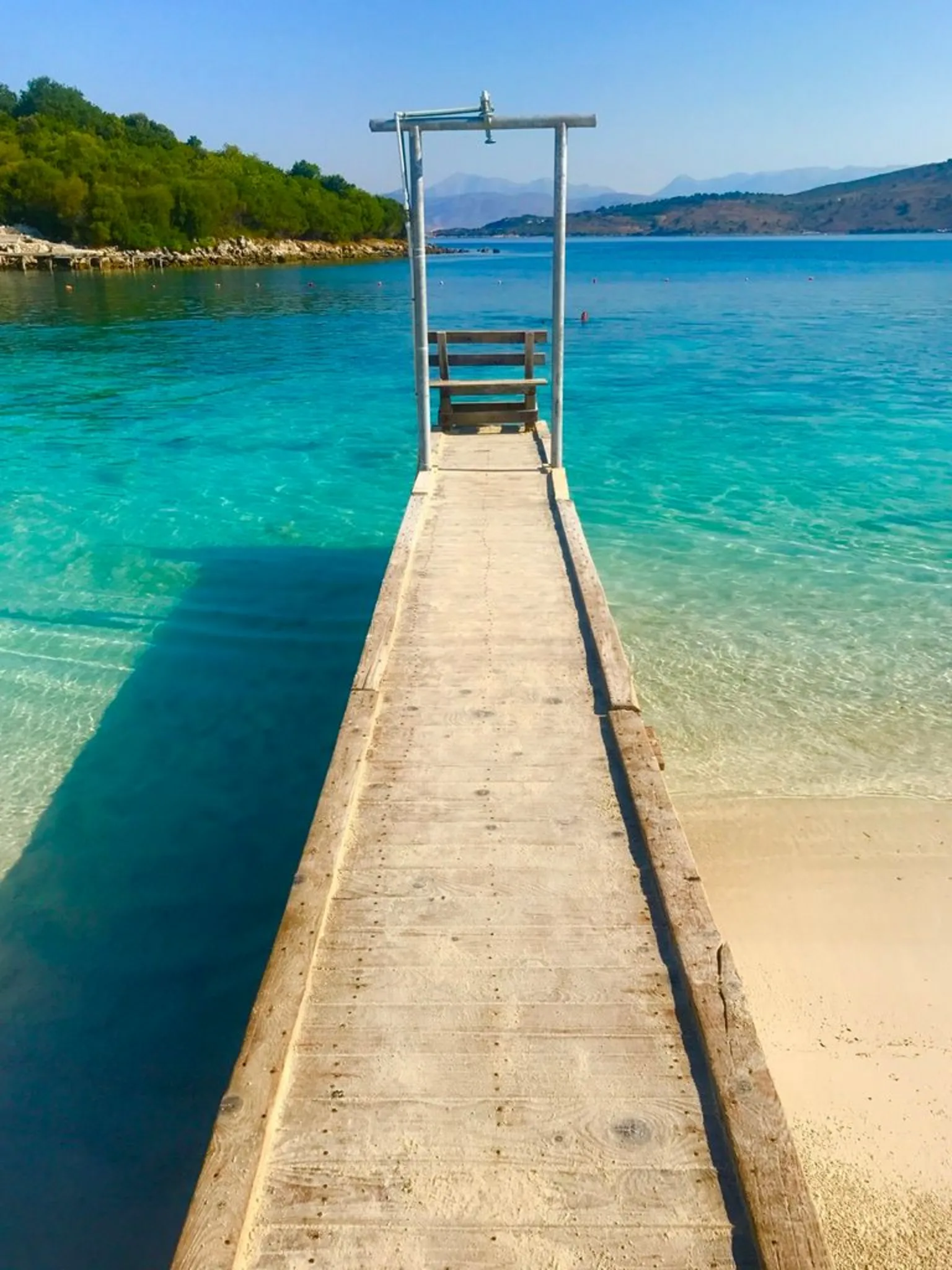
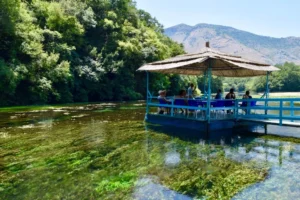
In southeastern Europe, Albania is fast becoming a hotspot for budget-conscious travellers. With access routes via Greece’s Corfu and a short ferry ride to Saranda, the so-called “Albanian Riviera” offers crystal-clear waters and beach culture reminiscent of Greece at a fraction of the cost.
Meanwhile, Northern Spain remains a favourite, but travellers are increasingly skipping overcrowded hubs like Barcelona in favour of quieter regions. Northern areas such as Asturias and La Rioja are gaining popularity for their mix of beaches, mountains, and lush greenery. Cities like San Sebastián and Bilbao strike a balance tourist-friendly yet less saturated, offering a richer, more localised experience.
Beyond destinations, there’s also a shift in mindset. Travel itself is becoming part of the adventure. Longer routes, train journeys, and stopovers are no longer inconveniences but opportunities to explore more deeply.
Yet, even as these trends evolve, the bigger picture remains uncertain. With fuel constraints looming and global tensions unresolved, the dream of affordable travel is becoming harder to sustain.