
A growing body of scientific evidence has once again sounded the alarm about the invisible dangers lurking in everyday plastics.
According to a groundbreaking global analysis, daily exposure to a chemical commonly used to soften plastics may be contributing to hundreds of thousands of deaths from heart disease every year.
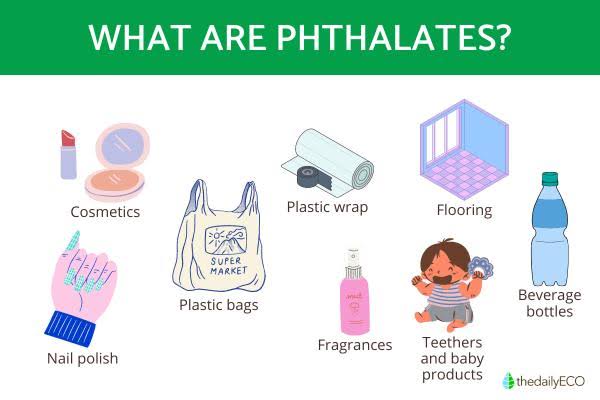
The culprit is di-2-ethylhexyl phthalate (DEHP) a type of phthalate used in everything from food containers and medical tubing to household items like detergents, cosmetics, and packaging.
In a new study published in Lancet eBiomedicine, researchers at NYU Langone Health estimate that DEHP exposure led to over 356,000 deaths from heart disease globally in 2018, particularly among adults aged 55 to 64.
This figure accounts for more than 13% of all global cardiovascular deaths in that age group.
“For years, phthalates have been linked to obesity, diabetes, cancer, and fertility issues,” said lead author Sara Hyman, a research scientist at NYU Grossman School of Medicine. “Our findings now confirm their catastrophic toll on the heart.”
The research team zeroed in on DEHP because of its well-documented effects on cardiovascular health. Prior studies have shown the chemical can trigger chronic inflammation in heart arteries, a key driver of heart attacks and strokes.
To arrive at their estimates, the researchers analyzed health and environmental data from over 200 countries and territories, including urine samples revealing traces of phthalate exposure. Their economic analysis puts the global cost of these premature deaths at between $510 billion and $3.74 trillion.
The global burden is not evenly distributed. East Asia and the Pacific, along with the Middle East, accounted for the largest share of phthalate-related deaths, 42% and 32% respectively.
The researchers believe this reflects higher exposure rates in regions undergoing rapid industrialization and increased plastic production with fewer regulatory safeguards.
“This stark disparity highlights the need for urgent international action,” said senior author Dr. Leonardo Trasande. “Without stronger regulations, the world’s most vulnerable populations will continue to bear the brunt of toxic chemical exposure.”
This latest study follows a 2021 report by the same team, which linked phthalates to over 50,000 premature deaths annually in the United States alone. However, the current research marks the first global estimate tying phthalates to a major cause of death.
With microplastics now being found in human bloodstreams, placentas, and even vital organs, experts are warning that the long-term consequences of chemical-laced plastics could be far worse than previously imagined.
The takeaway is clear: we need stricter regulation of phthalates and a global rethink of our dependence on plastic. As consumers, we can also play a role, by reducing our use of processed and packaged goods, opting for glass over plastic, and pushing for safer, sustainable alternatives.