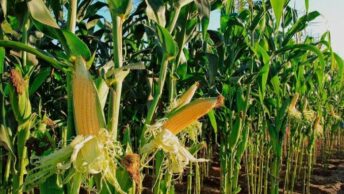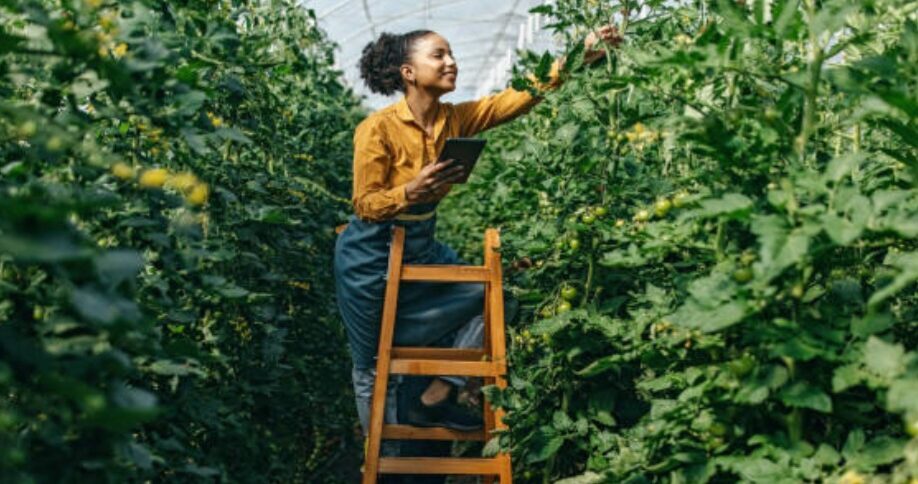

The federal government and experts are proposing diverse strategies to boost agricultural productivity and tackle systemic hurdles as Nigeria stares at the monstrous outpace of food security.
With a population exceeding 200 million and growing, the stakes are higher than ever. Addressing food insecurity requires not only innovation but also targeted reforms to ensure sustainable development.
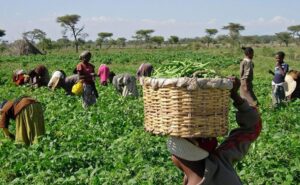
As you can remember, the federal government recently unveiled initiatives aimed at increasing food production across the country. These programs focus on key areas such as mechanization, access to credit, and improved farming techniques. The government’s goal is to empower smallholder farmers, who constitute the majority of the agricultural workforce, to increase their output and reduce post-harvest losses. This effort is complemented by partnerships with international agencies to introduce climate-smart agricultural practices.
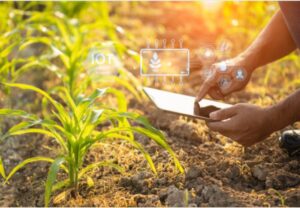
A pivotal aspect of these initiatives is the deployment of technology to modernize farming. Mechanized equipment and digital platforms are being promoted to reduce reliance on manual labor and improve efficiency. With Nigeria’s agricultural sector contributing about 25% to GDP, the push toward modernization is seen as essential for ensuring food availability and fostering economic growth.
Can Rubber Farming help?
In parallel, the rubber sector is being recognized for its untapped potential to contribute to food security and economic diversification. Experts maintain that rubber, beyond its industrial applications, can play a significant role in rural livelihoods. Cultivating rubber trees supports intercropping, allowing farmers to grow food crops alongside, thereby enhancing income streams and reducing food insecurity.
The rubber industry, however, faces significant challenges, including outdated plantations and limited investment. Reviving this sector will require coordinated efforts to attract funding, improve infrastructure, and incentivize farmers to adopt best practices. Experts also argue that a revitalized rubber industry could become a major contributor to the economy, while also supporting local food systems.
However, despite these promising initiatives, systemic barriers persist. Poor infrastructure, such as inadequate road networks, hampers farmers’ access to markets, while insufficient storage facilities exacerbate food wastage. Addressing these issues is crucial for maximizing the impact of agricultural reforms and ensuring equitable distribution of food resources across the country.
Nigeria’s agricultural sector must also contend with climate change, which has disrupted traditional farming cycles and exacerbated crop failures.
The government’s focus on climate-smart agriculture, including drought-resistant crops and efficient water management systems, is a step in the right direction. However, scaling these practices will require consistent investment and widespread adoption by farmers.
The federal government has pledged to prioritize rural development as a means of bolstering agricultural productivity. Investments in education and training are being emphasized to equip farmers with the skills needed for modern farming. Additionally, improving access to affordable credit remains a critical component of these efforts, enabling farmers to purchase high-quality seeds and equipment.
Experts argue that fostering public-private partnerships is key to transforming Nigeria’s agricultural landscape. Collaborative efforts between the government, private sector, and international organizations can accelerate the adoption of innovative practices and technologies. These partnerships also have the potential to attract much-needed investment, driving growth in both traditional and emerging agricultural sectors.
The journey toward food security in Nigeria is complex, requiring multifaceted solutions and sustained commitment. By leveraging technology, revitalizing key sectors like rubber, and addressing systemic barriers, Nigeria can build a resilient agricultural system. Such an approach not only ensures food availability but also drives economic growth and secures a brighter future for millions of Nigerians.