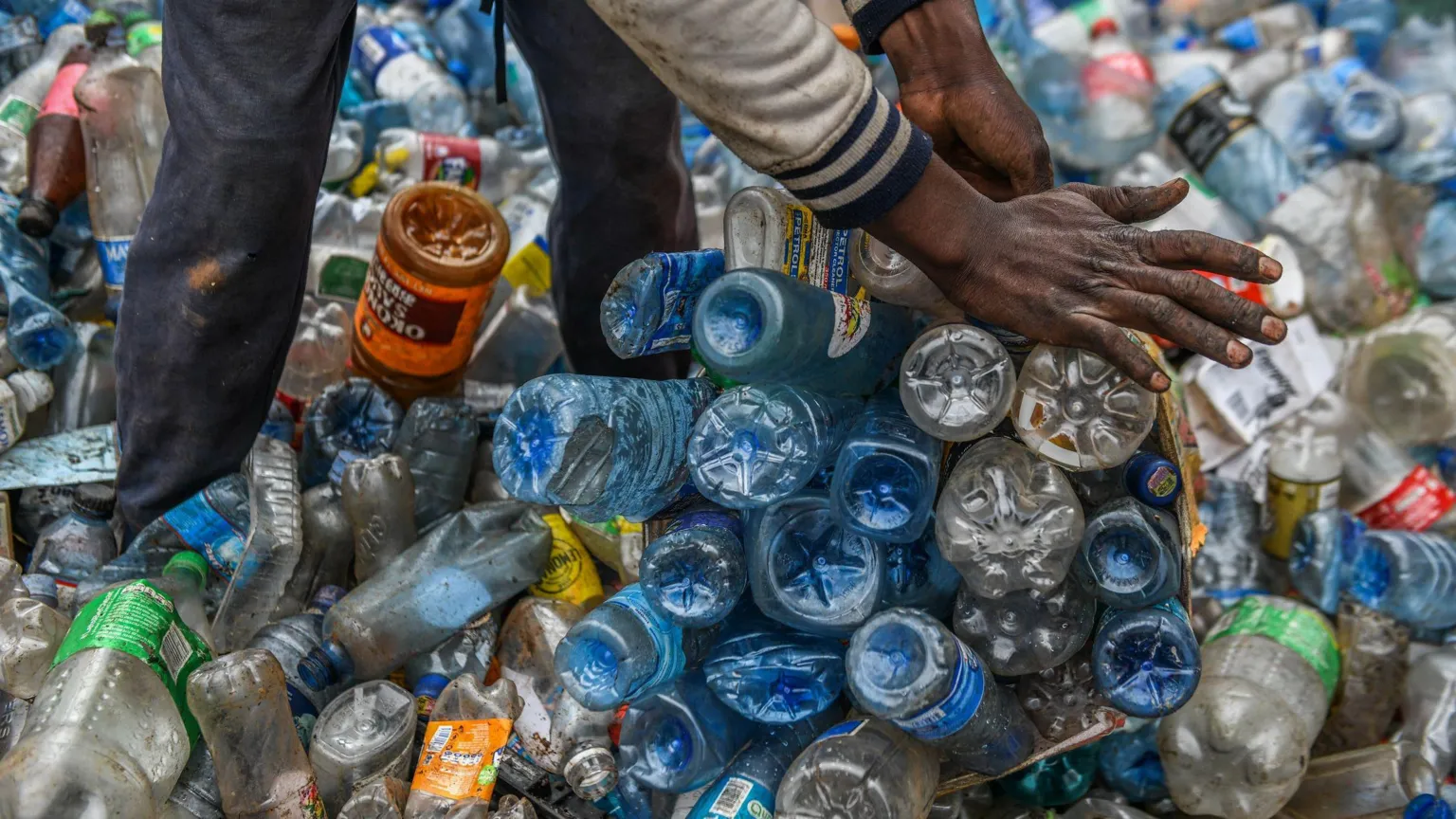

The struggles of the world with the growing environmental and health burden of plastic pollution is drawing delegates from more than 170 countries to the discussion table. This time, they are meeting in Geneva to hammer out a long-delayed global treaty aimed at curbing plastic waste. After two years of missed deadlines and failed negotiations, the stakes have never been higher.
According to the Lancet Countdown, plastic pollution is no longer just an environmental issue, it’s a public health crisis, responsible for at least $1.5 trillion in health-related damages each year. The figure spots the staggering impact of chemicals leaching from plastic into our ecosystems and ultimately into our bodies.
A report from The BBC says since the dawn of plastic production in the 1950s, the world has seen an exponential rise from just 2 million tonnes annually to a staggering 475 million tonnes in 2022. Yet, despite increasing awareness, about 60% of all plastic is still single-use, and only around 10% is effectively recycled.
The remaining vast majority ends up in landfills, incinerators, or the oceans.
Marine environments are particularly vulnerable. Recent studies estimate nearly 200 trillion plastic particles are already floating in the oceans, with that number projected to triple in the coming decades if no global action is taken.
Unfortunately, wildlife is equally paying the price. Animals ingest these microplastics, causing inflammation, hormonal disruptions, and organ damage that accumulates over time, slowly weakening them until disease or death becomes inevitable.
Dr. Stephanie Horton of the UK’s National Oceanography Centre explains the silent danger: “When we start seeing plastic accumulation in tissues, we see inflammation and cellular damage. It’s not always immediately fatal, but over time, it breaks animals down from the inside.”
In 2022, countries acknowledged the urgent need for action by agreeing to draft a legally binding global plastics treaty by the end of 2024. But after five rounds of negotiations, that goal remains unmet.
The sticking points remain familiar: Should the treaty focus on reducing plastic production or simply managing waste better? Should it ban certain toxic additives? And who pays for the global infrastructure overhaul that real change would require?
Countries like the UK, Canada, and many in the EU are pushing for an “ambitious” treaty that includes a clear commitment to reduce the production of single-use plastics and eliminate the most hazardous chemicals. They argue that without directly confronting the sheer volume of plastic being produced, recycling alone won’t fix the problem.
But that vision is facing resistance from oil-producing nations such as Russia and Saudi Arabia. These countries are advocating for a strategy centered on recycling instead of curbing production—a stance seen by many environmentalists as an attempt to protect petrochemical profits.
Rob Opsomer, executive lead for plastics and finance at the Ellen MacArthur Foundation, explains the role of design in solving the crisis. “Something as simple as removing the color from a plastic bottle can double the value of its recycled material,” he said. “If we establish universal design standards, we can boost recycling, reduce costs, and cut the demand for virgin plastic.”
The Geneva meeting is being watched closely by scientists, environmentalists, and civil society groups worldwide. Many hope that this round of negotiations will finally yield a framework that prioritizes health, biodiversity, and sustainable development over short-term profits.