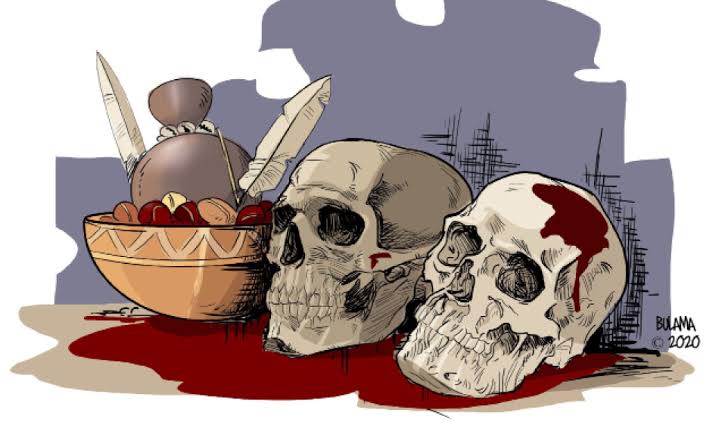

Perpetrators of ritual killings are quick and unkind. It doesn’t matter where you are in Nigeria, these macabre temples are borderless.
Don’t be fooled by innocuous faces when you walk, be at alert. These folks have ghoulish thirst for quick wealth that leaves them obsessed with the easy tool for it – innocent blood.
Unfortunately to, sometimes, living in Nigeria would be an extreme sport when one brings to mind the number of people who have died on the altar of this disturbing practice.
The Unspeakable Art of Ritual Killing
Ritual killings, an unspeakable crime driven by cultural, religious, or superstitious beliefs, have cast a dark shadow over Nigeria for decades.
This abhorrent practice, fueled by the pursuit of wealth, power, and fame, continues to claim innocent lives, predominantly those of young women and children.
This disturbing practice doesn’t stand alone, there are underlying causes that must be explored to retain the core of essential tips and help individuals safeguard themselves from falling victim to these gruesome acts.
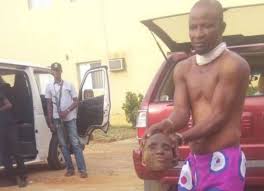
The Extent of the Menace
The Foundation for Partnership Initiatives in the Niger Delta reported an alarming estimation of 150 women and girls falling victim to ritual killings between January 2018 and December 2021.
More recently, Ogun state recorded 15 cases between January 2022 and January 2023.
This nefarious practice has spread across states, including Ogun, Delta, Edo, Imo, Enugu, Osun, Oyo, Nasarawa, Niger, Rivers, and Abia, resulting in over 168 deaths across 80 reported cases.
Is Social Media Aiding Ritual Killings?
The indifference of social media towards ritual killings and their perpetrators creates a perilous environment for the continuation of these heartless crimes.
The majority of victims, often females and children, are betrayed and brutally murdered, raising concerns about the loss of innocence among the youth.

Recent shocking events, such as the killings of university student Justina Otuene and Benjamin Nnanyereugo’s confession to killing his girlfriend, highlight the gruesome nature of these acts.
Victims’ Stories and Challenges
The survivors’ reluctance to speak about their ordeal underscores the trauma associated with ritual killings.
Blame is often misplaced on victims, with accusations of association with fraudsters.

Many cases go unreported and forgotten, leaving victims without justice. Mrs. Elizabeth Ogege, who lost her daughter Elozino Ogege, shared her heartbreaking experience, shedding light on the devastating impact on families.
Root Causes and Triggers
The triggers behind ritual killings encompass greed, peer pressure, fetish practices, hunger for power, poverty, and political ambition.
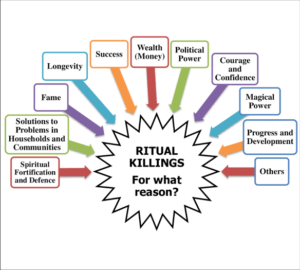
These recidivists often find justification for their actions, with youths frequently becoming placeholders for these heinous crimes.
Calls for Change
To curb this pandemic, concessions must be made, including youth empowerment programs, job opportunities, parental diligence, social media sanctions, commuter consciousness, and increased security intervention.

Religious leaders and security operatives emphasize the need to demystify the allure of sudden wealth and establish databases to monitor those involved in ritual procedures.
Government must also stay on its toes to methodically play its role as harbingers of justice. Read more here:
Staying Safe
While anyone can fall victim to this societal menace, staying cautious of surroundings, being conscious of one’s environment, and exercising skepticism can contribute to personal safety.
Security operatives play a crucial role, and individuals are urged to remain vigilant, especially during times when potential upstarts are on the prowl for new victims.
Government must also stay on its toes to methodically play its role as harbingers of justice. Read more here:

Collective Efforts Must Be Frightening
Ritual killings pose a grave threat to society, requiring collective efforts from the government, citizens, and security operatives to eradicate this menace.
This awareness is an advantage that would empower individuals to protect themselves and their communities against this dastardly act.
Written by Dorcas Izah