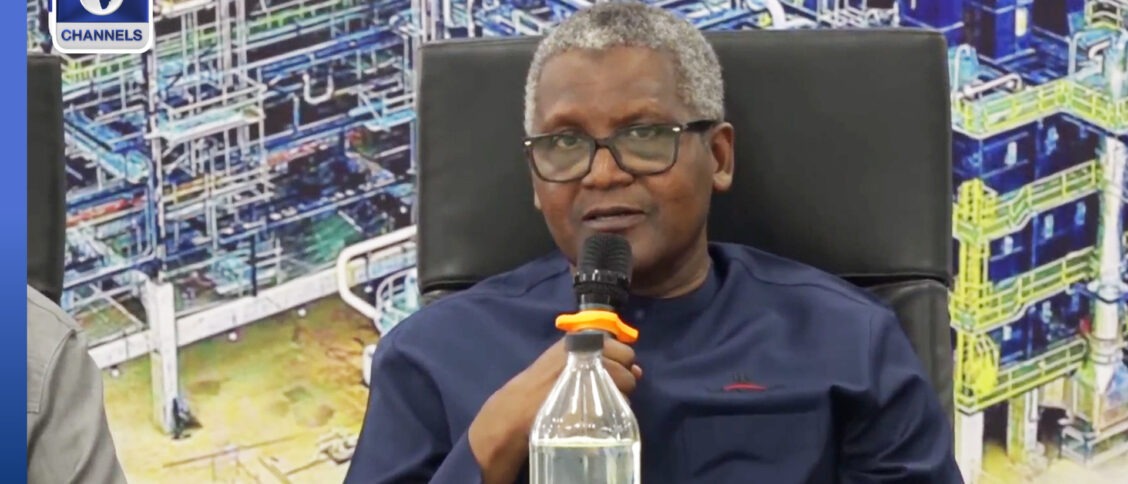

After two decades of planning and perseverance, Africa’s richest man, Aliko Dangote, is finally on the brink of revolutionizing Nigeria’s petrol market.
Dangote’s $20 billion refinery, located in Ibeju-Lekki, Lagos, is now ready to commence operations, marking a significant milestone not only for the billionaire entrepreneur but for the entire nation.
The refinery, which has faced its fair share of challenges during construction, is now poised to deliver up to 25 million liters of refined petroleum products per day in the course of Seotember.
This development is expected to disrupt the status quo in Nigeria’s oil industry, which has long been dominated by a few powerful interests.
1. A Game-Changer for Nigeria’s Economy
The Dangote Refinery is anticipated to drastically reduce Nigeria’s dependence on imported fuel, which has historically strained the country’s foreign exchange reserves. By producing refined petroleum locally, the refinery is set to save billions of dollars annually and create thousands of jobs across the supply chain.
2. Cleaner and More Efficient Fuel
Dangote has promised that the refinery will produce cleaner, higher-quality fuels that meet international standards. This will not only benefit consumers but also contribute to environmental sustainability by reducing emissions from lower-quality fuels currently in circulation.
3. Breaking the Hold of Oil Cabals
For decades, Nigeria’s petrol market has been controlled by a small group of powerful cabals, often leading to fuel shortages and price hikes. The entry of Dangote’s refinery into the market is expected to break these monopolistic practices, leading to more competitive pricing and reliable supply.
4. Strategic Location in Ibeju-Lekki
The refinery’s strategic location in Ibeju-Lekki places it at the heart of one of Nigeria’s fastest-growing industrial zones. This location not only provides easy access to raw materials and markets but also positions the refinery as a hub for future industrial activities in the region.
5. Integrated Petrochemical Complex
In addition to refining petroleum, the Dangote Refinery is part of an integrated petrochemical complex that will also produce polypropylene, a key raw material used in manufacturing various plastic products. This will further diversify Nigeria’s industrial base and reduce the importation of plastic raw materials.
6. A Boost to National Infrastructure
The construction of the refinery has already led to significant improvements in local infrastructure, including roads, housing, and utilities in the Ibeju-Lekki area. These developments are expected to have long-term positive impacts on the region’s economy.
7. Potential Challenges Ahead
Despite its immense potential, the refinery’s success will depend on various factors, including the regulatory environment, global oil prices, and Nigeria’s complex fuel subsidy system. How these challenges are managed will determine the refinery’s long-term impact on the market.
8. Government’s Role in the Transition
The Nigerian National Petroleum Company Limited (NNPCL) has been tasked with managing the transition as Dangote’s refinery enters the market. The government’s handling of this transition will be crucial in ensuring that the benefits of the refinery reach the broader population.
9. What It Means for Nigerian Consumers
For the average Nigerian, the refinery’s operations are expected to lead to more stable fuel prices and availability. The days of long queues at petrol stations and erratic fuel supply could soon be a thing of the past.
10. The Beginning of a New Chapter
As the Dangote Refinery begins production, it marks the beginning of a new chapter in Nigeria’s oil industry. This development is not just about refining petroleum; it represents a bold step towards self-sufficiency, economic growth, and a more prosperous future for Nigeria.
With the refinery set to start rolling out its products this month, all eyes are on Dangote to see how this long-awaited project will shape the future of Nigeria’s energy sector.