
Artificial intelligence chatbots like ChatGPT, Gemini, Grok, and DeepSeek have revolutionized the way we approach writing tasks. From drafting emails to generating creative content, these tools have become indispensable for many.
However, there’s a catch: overused buzzwords and phrases that can make your writing sound mechanical and impersonal. If you’re an avid user of AI writing tools, it’s time to learn how to spot and avoid these linguistic pitfalls.
The Buzzword Epidemic
AI chatbots are trained on vast amounts of data, which means they often default to certain words and phrases that sound polished but lack originality. These buzzwords can make your writing feel generic, robotic, and detached from human context. Whether you’re crafting a blog post, a business report, or a creative story, relying too heavily on these overused terms can undermine your message.
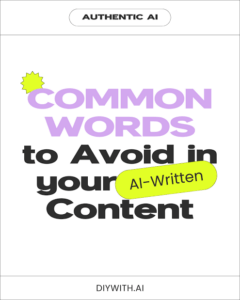
The Most Overused ChatGPT Words
Here are some of the most common buzzwords that ChatGPT and other AI tools tend to overuse:
– Delve
– Tapestry
– Vibrant
– Landscape
– Realm
– Embark
– Excels
– Vital
– Comprehensive
– Intricate
– Pivotal
– Moreover
– Arguably
– Notably
– Underscores
While these words aren’t inherently bad, their repetitive use can make your writing feel formulaic. For example, phrases like “delve into the intricacies” or “navigate the landscape” might sound sophisticated at first, but they quickly lose their impact when overused.

The Most Overused ChatGPT Phrases
Beyond individual words, AI chatbots also rely on certain phrases that can make your writing sound overly formal or robotic. Some of the most common include:
– Dive into…
– It’s important to note…
– It’s important to remember…
– Important to consider…
– Based on the information provided…
– Remember that…
– Navigating the [landscape]/[complexities of]…
– Delving into the intricacies of…
– A testament to…
These phrases often serve as filler content, adding little value to your writing. They can also make your work sound less authentic and more like a machine-generated template.
Sometimes, try using substitutes to frame your sentences better.
Why Buzzwords Are a Problem
The overuse of buzzwords and phrases can have several negative effects on your writing:
1. Loss of Authenticity: Readers can often tell when writing lacks a human touch. Overly polished, buzzword-heavy content can come across as insincere or detached.
2. Reduced Engagement: Buzzwords can make your writing feel generic, causing readers to lose interest.
3. Missed Opportunities: Relying on clichés can prevent you from expressing unique ideas or perspectives.
How to Make AI Writing More Human
The good news is that you can take steps to avoid these pitfalls and make your AI-generated content sound more natural and engaging. Here are some tips:
1. Edit Ruthlessly: After generating content, review it carefully and replace overused words and phrases with more specific, human-friendly alternatives.
2. Be Specific: When using AI tools, specify that you want to avoid buzzwords. For example, you can prompt ChatGPT with, “Write a blog post about X without using words like ‘delve,’ ‘tapestry,’ or ‘vibrant.’”
3. Use Examples: Share examples of writing styles you admire with the AI. This helps the tool understand the tone and language you’re aiming for.
4. Experiment with Prompts: The more detailed and specific your prompts, the better the results. Instead of asking for a generic article, provide context, tone, and structure guidelines.
5. Leverage Specialized Tools: If you’re creating presentations or other specialized content, consider using AI tools designed for those purposes. These tools often produce more natural and tailored results.
While AI chatbots are powerful tools, they are not a substitute for human creativity. Your unique voice, perspective, and insights are what make your writing stand out. Use AI as a starting point, but always infuse your work with your own personality and style.