
Biodiversity loss is a pressing issue globally, and Nigeria is no exception.
The country’s rich natural resources are under threat from deforestation, habitat destruction, and illegal wildlife trade. To make this less severe, Nigeria must align with global frameworks like the Kunming-Montreal Global Biodiversity Framework, emphasizing sustainable practices across sectors.
It is safe to say that nature-smart strategies such as agroforestry could greatly benefit Nigeria’s agriculture, improving soil health and farmer incomes.
However, a major challenge remains: funding. With a $700 billion annual gap in global biodiversity finance, the need for innovative solutions is critical. Nigeria, faced with budgetary constraints, can bridge this gap by reforming harmful subsidies and redirecting them toward sustainable practices.

Private capital also plays a key role. Investors must view biodiversity as an opportunity, not a risk. The International Finance Corporation (IFC) has introduced a Biodiversity Finance Reference Guide to aid investors in this space, offering standards for transparent and effective biodiversity projects. Adopting this framework can help Nigerian businesses attract necessary funds.
Examples from Latin America show how reforestation projects can generate revenue while restoring ecosystems. Nigeria can replicate such models, enhancing both its environment and local livelihoods. Effective biodiversity finance depends on clear metrics; setting these benchmarks early allows for better monitoring and adaptation. Local communities should be empowered through education, training, and support, ensuring their participation in sustainable practices.
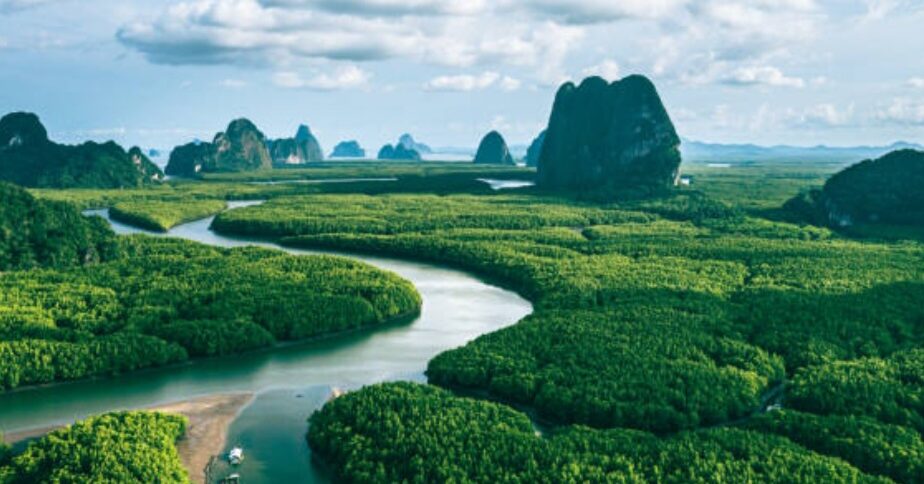
What Biodiversity Represents
Biodiversity finance presents lucrative opportunities for Nigerian entrepreneurs to develop eco-friendly products and services. To align with the global biodiversity agenda, Nigeria must prioritize policy reforms, encourage public-private partnerships, and attract both local and international funding. By building a robust financial framework, Nigeria can safeguard its biodiversity while fostering sustainable growth.
The crisis is global, but solutions are local. By scaling up its efforts and integrating with international strategies, Nigeria can lead in conservation, ensuring a sustainable future for its natural heritage and economy.
What next?