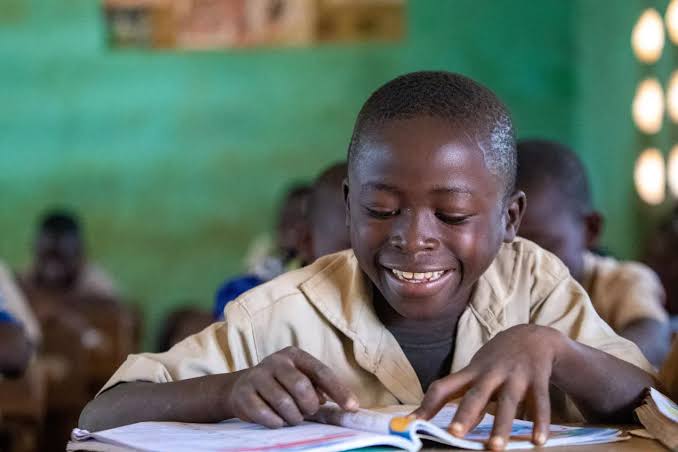

Its all about bolstering educational safety.
Oyo State has been selected as one of the ten pilot states to implement the Minimum Standards for Safe Schools in Nigeria. This initiative, spearheaded by the United Nations Children’s Fund (UNICEF), marks a critical step in addressing the pressing safety challenges faced by schools across the country.
During a state-level workshop organized by the Oyo State Ministry of Education at Government College, Ibadan, on Tuesday, August 20, education stakeholders, community leaders, and school-based management committees (SBMCs) gathered to discuss the unique challenges affecting school safety and to strategize on implementing these minimum standards.
The workshop served as a platform for stakeholders to delve into the specifics of creating secure, unhampered learning environments in Nigerian schools.

An Abuja-based UNICEF education specialist, Believe Eke, highlighted the urgency of safety standards, revealing that a recent evaluation showed that, on average, only 43% of the Minimum Standards for Safe Schools are currently being met in approximately 6,000 assessed schools.
These gaps, particularly in ensuring the safety of school infrastructure and mitigating risks like violence, conflict, and natural hazards, underscore the importance of Oyo State’s role as a model for the country.
Eke emphasized the critical role of school-based management committees in identifying and addressing the issues that hinder school safety. He also stressed that this pilot project is not just about setting standards but about actively involving local communities in the safety of their educational institutions.
Another specialist, Babagana Aminu, echoed Eke’s sentiments, urging stakeholders to support UNICEF’s data-driven approach to improving school safety. He called for a multi-sectoral strategy that includes comprehensive planning, coordination, and resource allocation, particularly in states with higher risks.

Meanwhile, Oyo State’s Commissioner for Education, Professor AbdulWaheed Adelabu, expressed gratitude for UNICEF’s partnership in building the capacity of teachers, especially in urban and hard-to-reach areas. However, he also emphasized the importance of state involvement in data collection and analysis related to school safety to ensure that local nuances are considered.
Parents and other community stakeholders also seized the opportunity of the stakeholder meeting to voice their concerns about existing safety challenges, particularly the need for enhanced security within schools and along access routes. They called for immediate action to address these vulnerabilities.
Worthy of Note
UNICEF Nigeria is advocating for decisive action from the government, international partners, and the broader community to:
– Equip all schools with the necessary resources to fully implement the Minimum Standards for Safe Schools, with a focus on the most vulnerable regions.
– Bridge critical gaps in infrastructure, preparedness for natural disasters, conflict resolution, and violence prevention.
– Strengthen law enforcement and security measures to protect educational institutions from attacks and abductions.
– Prioritize education and child protection in national policies and budgets to create a safer, more inclusive environment for all Nigerian children.
– Ensure continuity in education through alternative learning pathways, such as radio and TV programs, and digital platforms like the Nigeria Learning Passport.
As Oyo State embarks on this pioneering journey, it sets a precedent for other states in Nigeria to follow. With concerted efforts and strong community involvement, the dream of safe, secure, and resilient schools across the nation is becoming a reality.