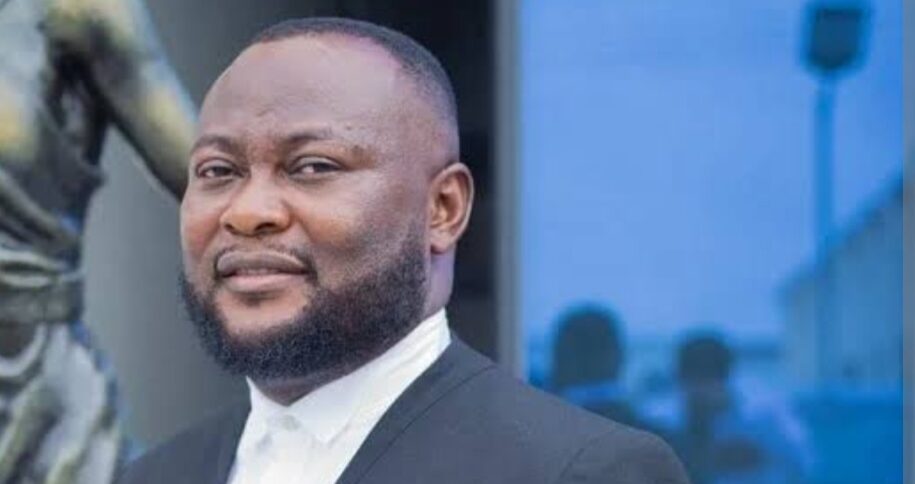

A wave of criticism has trailed the reported plan to increase salaries of Nigeria’s top political office holders, with Abuja-based lawyer and rights advocate, Pelumi Olajengbesi, describing the move as selfish, insensitive, and a direct insult to the millions of citizens battling economic hardship.
Olajengbesi, who is the Managing Partner at Law Corridor, said in a strongly worded statement on Thursday that the Revenue Mobilisation Allocation and Fiscal Commission (RMAFC), by considering such a proposal, had once again exposed the greed and lack of empathy of Nigeria’s ruling class.
“Some of the policies of the ruling class remain unthinkable, the latest being the move to increase the pay of political office holders,” he said.
“It is an affront to the suffering of Nigerians who have endured hunger and intense economic pressure since the removal of petrol subsidy in May 2023.”
The lawyer noted that since the subsidy removal and unification of the exchange rate, the prices of food, transport, and basic essentials have skyrocketed, pushing families into survival strategies that are far from dignified.
“Many households have been forced into a formula of ‘0-1-0’ meals daily,” he lamented, “while lawmakers swim in millions.”
Olajengbesi backed his claims with past disclosures from senior politicians about the staggering earnings of lawmakers. Former Speaker of the House of Representatives, Yakubu Dogara, once admitted he earned N25 million monthly, while former Kaduna senator, Shehu Sani, revealed lawmakers took home about N13 million monthly, a figure that has since risen to over N21 million. Similarly, Senator Orji Uzor Kalu disclosed that he received N14 million monthly as a serving senator.
He added that beyond salaries, federal lawmakers cornered huge sums in the name of constituency projects. “It is now on record that senators receive between N200 million and N500 million annually for projects, as confirmed by Senator Ali Ndume and Senator Agom Jarigbe,” Olajengbesi said, arguing that the revelations show a political class already swimming in privilege and patronage.
“To even contemplate increasing the salaries of politicians in this climate is outrageous,” he declared. “If they have any modicum of honour left in them, they should reject the proposed pay rise outright.”
Olajengbesi also challenged Nigerian leaders to learn from their counterparts in other African countries who have demonstrated symbolic solidarity with their citizens.
He pointed to Liberia’s President Joseph Boakai, who recently slashed his own salary by 40 percent to ease the burden on public finances and show empathy for ordinary Liberians.