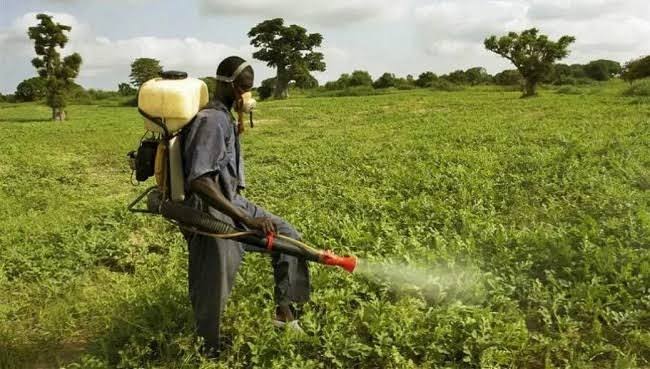

Nigeria is in the midst of an environmental reckoning. The country’s natural resources, vital for the livelihoods of millions, are under siege from a range of ecological threats; air and water pollution, deforestation, desertification, open defecation, climate change, and poor waste management. These crises are not only affecting the environment but also undermining food security, public health, and economic growth.
Pollution from the oil and gas sector, especially gas flaring, continues to emit dangerous greenhouse gases, while the use of firewood for cooking has devastated forests across the country. In urban areas, unregulated industrial activity and weak waste disposal systems have resulted in choking air and contaminated water.

Against this backdrop, President Bola Ahmed Tinubu’s administration has put the environment at the heart of its “Renewed Hope” agenda, initiating a suite of bold policies aimed at reversing decades of ecological neglect. Since taking office in May 2023, Tinubu has pushed Nigeria toward a greener, more sustainable path. Here’s how:
Climate Act
In January 2024, the Tinubu administration began enforcing the Climate Change Act, reaffirming Nigeria’s commitment to achieving net-zero carbon emissions by 2060 and reducing methane emissions by 30% by 2030. Impressively, by early 2024, the country had already cut its greenhouse gas emissions by 8%. A N50 billion annual budget has been earmarked to fund green initiatives, signalling a strong financial commitment to climate action.
Clean Cooking Gas Initiative
To combat deforestation and indoor air pollution caused by traditional firewood cooking, the government launched the Clean Cooking Gas Initiative in November 2023. The target? Transition 20 million households to LPG by 2025. By March 2025, 8 million cylinders had been distributed, supported by a N20-per-litre fuel subsidy, making cleaner energy accessible for millions.
Oil and Gas Sector Reform
Long blamed for pollution and ecological damage, the oil and gas sector is now under reform. Under the Petroleum Industry Act (PIA), new emission-reduction measures have been implemented, including incentives for cleaner production. Gas flaring has dropped from 11% to 6% of total output. The government also awarded 15 oil fields to Nigerian firms, boosting local ownership and cleaner technologies. The Dangote Refinery, now operating at 60% capacity, is helping reduce fuel importation and emissions linked to transportation.
Greening the Sahel Initiative
To tackle desertification and unemployment in the north, the administration launched the Greening the Sahel Initiative. In 2024 alone, over 10 million treeswere planted across 10 northern states, engaging around 500,000 youths in reforestation and environmental monitoring efforts. It’s a dual-purpose initiative—restoring degraded land and empowering young Nigerians with green jobs.
Ending Open Defecation
President Tinubu has committed to eliminating open defecation by 2030. The national strategy includes building sanitation infrastructure, community engagement, and promoting hygiene education. Federal, state, and local governments, along with development partners, are collaborating to accelerate progress on this front.
International Climate Diplomacy
Also, Nigeria is deepening its ties with global climate organizations. The country remains an active party to major agreements such as the Paris Agreement and the UN Climate Convention. In March 2025, Environment Minister Balarabe Abbas Lawal met with Belgian Ambassador Pieter Leenknegt to explore public-private climate partnership sand activate Article 6 of the Paris Agreement, which deals with carbon market mechanisms. Plans are also underway to issue two green bonds by the end of 2025 to fund adaptation and green infrastructure.
Cross-Border Environmental Agreement
Recognising that ecosystems do not obey national boundaries, Nigeria signed a Cooperation Framework Agreement with Cameroon on transboundary conservation and sustainable forestry management. This will aid in the protection of shared forests, wildlife corridors, and river basins.
Coastal Protection Projects
To safeguard Nigeria’s vulnerable coastal zones from rising sea levels and erosion, the government has embarked on major infrastructure and afforestation projects. Collaboration with neighbouring countries is key to building a regional coastal resilience framework.
Despite all of these, Nigeria’s environmental journey is far from over. Waste management systems remain inadequate in many communities. Environmental regulations are inconsistently enforced. Public awareness is still low, and grassroots participation in sustainability efforts is lacking.
Experts argue that for Nigeria’s green momentum to be sustained, state and local governments must be more actively involved, and civil society and the private sector need to play larger roles. The planned green bonds offer an opportunity to raise vital funding for long-term environmental resilience—but only if paired with solid execution and transparency.