
It all starts now, but it could be a bit aggressive.
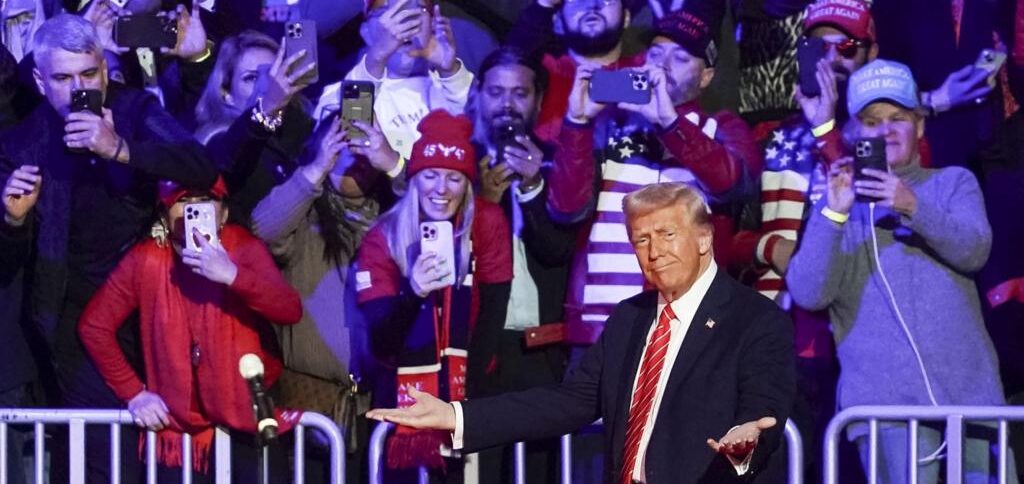
President Donald Trump makes a familiar walk back into the white house as the 47th President of the United States, marking a new chapter in his political career. The ceremony, moved indoors for the first time in decades due to the bitter cold, was held in the iconic rotunda of the US Capitol. This moment not only reinstates Trump but also sets the stage for his policies to be judged on action rather than promises.
Addressing the nation shortly after taking the oath, Trump signaled a bold agenda aimed at “restoring America’s greatness.” His presidency, which begins amid swirling controversy and anticipation, promises seismic shifts on key issues ranging from immigration and climate policy to foreign relations and civil rights.
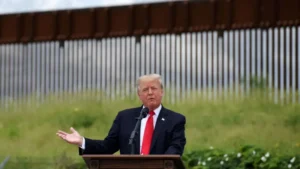
One of Trump’s first priorities is expected to be a wave of executive actions—over 200 directives are reportedly on his desk. These include legally binding executive orders as well as proclamations and presidential memoranda, allowing the president to bypass Congress in enacting immediate policy changes.
Trump’s press secretary highlighted the gravity of the moment, saying, “Day one will set the tone for a transformative presidency.”
Immigration Crackdown Looms
Immigration reform is poised to take center stage. Trump has vowed to end birthright citizenship, a move likely to spark fierce legal and political battles. He also plans to initiate what his administration is calling “the largest mass deportation of illegal immigrants in American history.” Critics warn of significant social and economic fallout, while Trump’s supporters see it as a promise fulfilled.
Pardons and Polarization
The Capitol riot of January 6, 2021, remains a defining moment of Trump’s legacy. In a controversial move, he has pledged to pardon individuals involved in the insurrection, framing it as a gesture of justice for “patriots.” This promise has already ignited sharp divides, with legal experts questioning the broader implications for accountability and governance.
Climate Retreat Redux
During his first term, Trump famously withdrew the United States from the Paris Climate Agreement. Reports now suggest he plans to repeat history by exiting the deal once more, signaling a rollback of emission-reduction targets and a prioritization of domestic industries over international climate commitments. Environmental advocates fear this will undermine global progress, while Trump insists it’s necessary to “put American workers first.”
Russia and Ukraine in the Crosshairs
Trump’s stance on foreign policy is equally bold. On the campaign trail, he claimed he could end the war in Ukraine “in a day,” though his proposed approach remains unclear. His remarks that Ukraine should expect reduced U.S. aid have raised alarms in Kyiv and among NATO allies, even as they resonate with Americans skeptical of continued foreign entanglements.
A New Era or a Return to Chaos?
Trump’s return to power has brought 200,000 supporters to Washington, underscoring his enduring appeal among his base. After the ceremony, he is set to parade to the White House and attend three inaugural balls, celebrating what he calls “a victory for the American people.”
However, the road ahead is fraught with challenges. Executive orders, though powerful, are subject to legal review and often face opposition. Trump’s first term saw 220 executive actions, many of which were tied up in courts. Comparatively, Biden issued 160 executive orders, while Obama and Bush signed 277 and 291 respectively over two terms.
Gimlet-eyed analysts warn that Trump’s promises of swift change may run into the checks and balances of governance.
As political commentator Gail Whiteman notes:
“Trump’s second term will test whether bold rhetoric can translate into lasting policy.”
For now, Trump’s presidency is a signal to both his supporters and critics that he is ready to rewrite America’s story—again. Perhaps.