
Global oil markets are already betting on peace before the ink dries. What next?
The latest reaction across global markets has once again demonstrated how quickly sentiment can swing when geopolitics and economics collide.
As of today, oil prices have plunged sharply while Asian stock markets have surged after hopes emerged of a possible agreement that could bring an end to the US-Israel-Iran conflict. Investors appear to be doing what they often do best: pricing in tomorrow before tomorrow arrives.
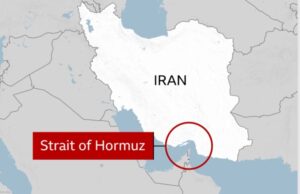
The optimism is understandable. Energy markets have spent months moving on edge as tensions around Iran disrupted one of the world’s most critical maritime corridors. The Strait of Hormuz is not just another shipping route on a map; it is the heartbeat of global energy trade. Around one-fifth of the world’s oil and liquefied natural gas normally moves through that narrow passage. Once its flow was disrupted following the outbreak of conflict in late February, the world immediately began to feel the tremors.
Markets responded exactly as expected. Oil prices surged, governments worried about inflation, and nations heavily dependent on imported energy began calculating the cost of prolonged instability.
Brent crude’s sharp drop and similar declines in US-traded oil reflect investor belief that a diplomatic breakthrough may reopen the Strait of Hormuz and restore some level of stability. Asian markets quickly embraced that possibility. Japan’s Nikkei index climbed strongly, reaching historic territory, reflecting confidence that supply pressures could ease.
For countries like Japan and South Korea, such optimism is more than simple investor enthusiasm; it borders on economic necessity. Their heavy dependence on Gulf energy supplies means prolonged disruption translates into higher costs for industries, households, and overall economic growth. Any signal suggesting normal energy flows could resume is likely to trigger immediate market confidence.
The language surrounding the proposed agreement itself offers reasons for caution. The deal is reportedly still awaiting final details and discussions remain ongoing. In international diplomacy, those “final details” often carry the greatest weight. Peace agreements are not measured by announcements alone but by implementation, trust, and the willingness of parties to keep commitments long after cameras disappear.
Investors, however, are often willing to gamble on possibility rather than certainty.
This reveals a larger truth about global economics: energy remains the nervous system of modern civilization. Even in an age increasingly focused on renewable alternatives and clean technology transitions, oil continues to influence everything from transportation and manufacturing to food prices and inflation rates.
That reality explains why crude prices remain well above their pre-conflict levels despite Monday’s decline. Before tensions escalated, Brent crude traded around $70 per barrel. Although prices have fallen sharply, they have not returned to those earlier levels. Markets may be expressing relief, but they are not expressing complete confidence.
The world has witnessed repeatedly how fragile geopolitical optimism can be. A diplomatic breakthrough can take months to negotiate and only moments to unravel. One military incident, one retaliatory action, or one failed negotiation can send markets into another wave of panic.