Nigeria, South Korea and UNICEF Launch Major Vaccination Drive to Reach 2.2 Million ‘Zero-Dose’ Children

A new partnership between Republic of Korea, UNICEF and Nigeria has set in motion an ambitious campaign to vaccinate millions of children who have never received a single routine immunisation.
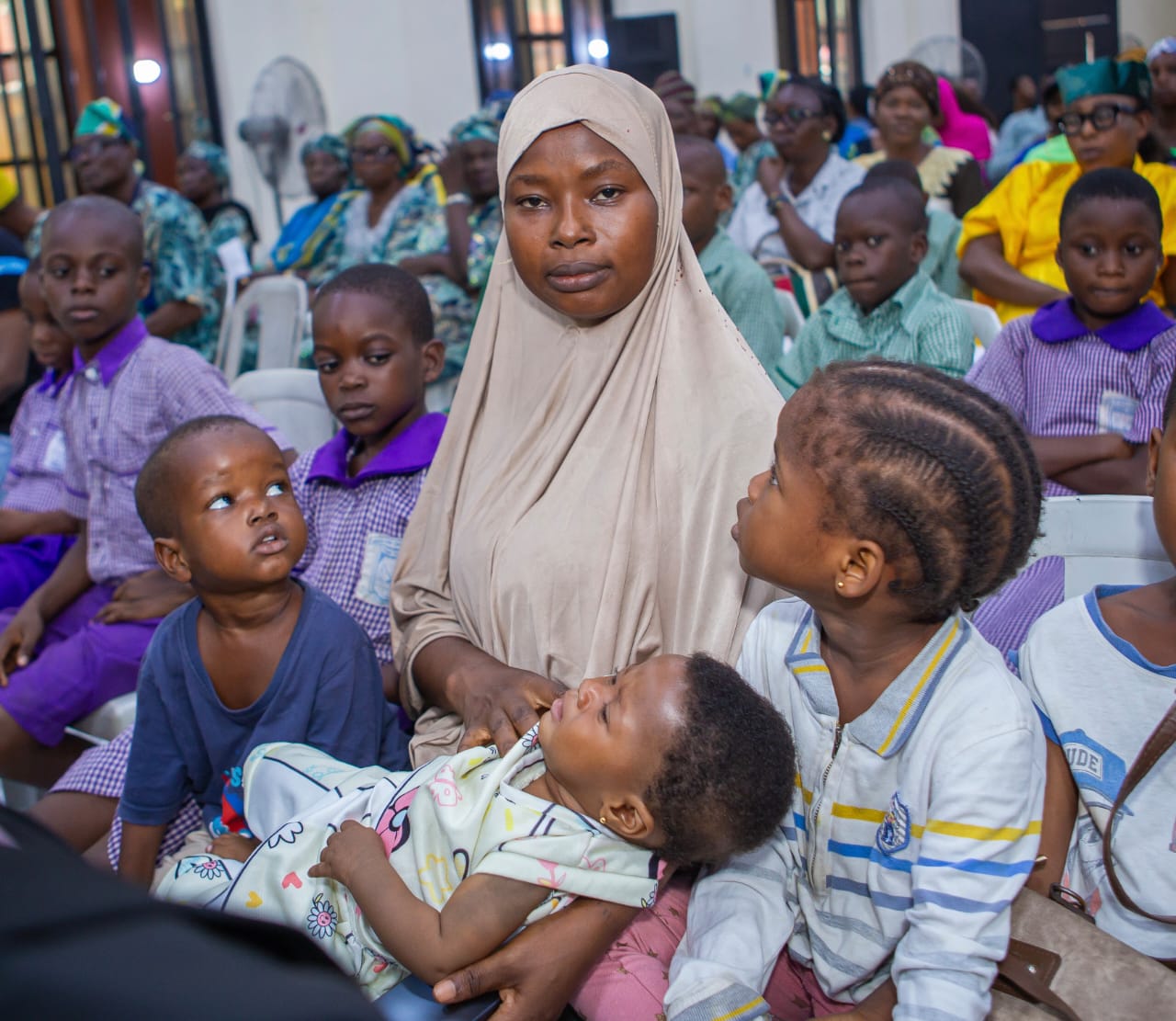
The initiative, officially launched in Badagry, targets an estimated 2.2 million “zero-dose” children, those entirely excluded from routine vaccination programmes. Nigeria currently accounts for one of the highest numbers of such children globally, with many living in urban slums, border communities and remote regions where access to healthcare remains limited.
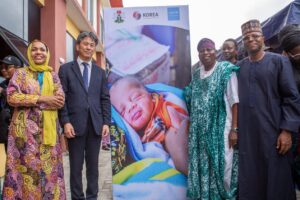
Designed to close these gaps, the programme will be implemented across six priority locations: Lagos State, Ogun State, the Federal Capital Territory, Bauchi State, Niger State and Adamawa State. It will operate through existing national and state health systems, focusing on strengthening vaccine delivery, improving tracking of missed immunisations, and rebuilding trust within communities.
Speaking at the launch, UNICEF Nigeria Country Representative Wafaa Saeed described the initiative as both a moral and strategic imperative.
“It is my great honour, on behalf of UNICEF, to join the Government of Nigeria, Lagos State Primary Health Care Board, and our partners today to officially flag off this important investment. Today’s event is more than a launch. It is a shared political and moral commitment to the right of every Nigerian child to lifesaving vaccines, regardless of where they are born or live,” she said.
Saeed stressed that the scale of the challenge demands urgent and coordinated action. “With an estimated 2.2 million zerodose children, Nigeria has the highest number of children who have never received a single routine vaccine in Africa. These are real children, often living in fragile urban settlements, border communities, conflict-affected settings, and hard-to-reach areas without access to essential services.”
She added that the situation is not just a failure of science, but a development that shows gaps in access and equity. “Vaccines work. Rather, it reflects enduring challenges related to equity, access, and service reach, and this is why political leadership and strong partnerships are essential,” she noted, commending Nigerian authorities and partners for prioritising vulnerable populations.
The programme is being implemented under the Access to COVID-19 Tools Accelerator (ACT-A) framework and represents its third phase, running from December 2025 to December 2026. It builds on earlier investments aimed at strengthening healthcare systems and expanding immunisation coverage in underserved areas.
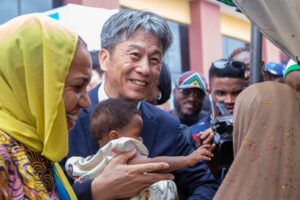
Also speaking, Lee Sang Ho highlighted the importance of global collaboration in addressing post-pandemic health challenges, noting that South Korea’s support reflects a commitment to closing immunisation gaps in high-burden countries.
For Lagos State, the initiative aligns with broader development priorities. Commissioner for Health Akin Abayomi said the programme supports the state’s THEMES+ agenda, particularly in advancing health equity and social inclusion.
The choice of Badagry, a key border community as the launch site explains the focus on reaching populations often left behind in national health programmes. It also aligns with Nigeria’s long-term immunisation goals under its national strategy, which aims to achieve universal vaccine coverage.