
Giving with intention?
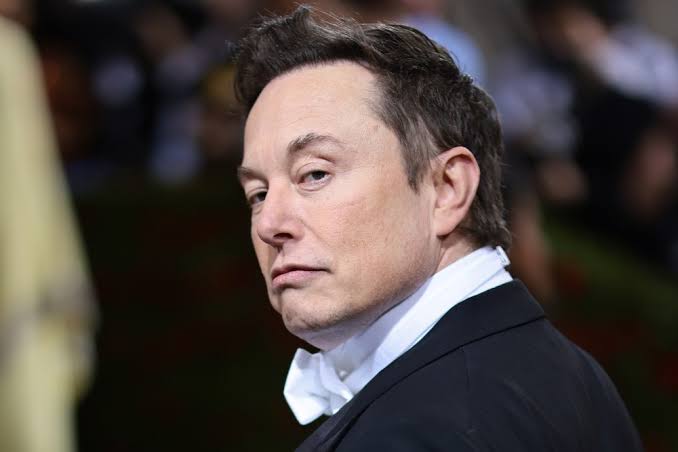
Elon Musk’s recent initiative to incentivize voter engagement by offering daily million-dollar prizes to swing-state voters has sparked legal and ethical debates. Organized by America PAC, a group supporting Donald Trump, Musk’s campaign aims to draw attention to issues like free speech and the right to bear arms.
However, some experts argue that these incentives may violate U.S. electoral laws, which prohibit payments for voter registration or participation. Despite Musk’s claims that his initiative aligns with legal frameworks, critics remain unconvinced.
Could these actions be legally challenged? Legal experts are divided, with some viewing the strategy as a direct attempt to influence voter behavior, potentially skirting existing laws. For example, while America PAC’s initiative is framed as a petition drive, the associated monetary rewards have raised questions about its legality. Critics note that targeting registered voters and incentivizing petition signatures could still violate electoral norms.
How do existing electoral laws apply?
The U.S. Code clearly prohibits offering money for acts connected to voting, such as registration or casting ballots. The ambiguity in America PAC’s methods has prompted experts to call for a more stringent legal review. While some believe the approach exploits legal loopholes, others see it as a breach of electoral integrity.
How have legal experts responded?
According to legal scholars like Paul Schiff Berman, Musk’s tactics may contravene federal laws, as they can be seen as indirectly paying voters. However, others argue that because the scheme rewards signing a petition rather than voting directly, it operates within a gray area of the law.
What are political reactions?
Pennsylvania Governor Josh Shapiro and other Democrats have expressed concern, calling for investigations into the legality of Musk’s voter incentives. Critics argue that such actions could undermine the electoral process by blurring the lines between engagement initiatives and voter manipulation. Conversely, supporters claim it promotes civic participation.
Could this set a new precedent? Musk’s campaign asserts that similar practices have been utilized by Democratic campaigns, albeit under different circumstances. Past initiatives focused on funding logistics or voter outreach, not direct payments to voters. Legal scrutiny may determine whether Musk’s actions set a precedent or highlight flaws in current election laws.
Will there be any legal fallout?
The Federal Election Commission and Department of Justice are yet to decide on any legal proceedings. As debates continue, the legal landscape may shift, prompting lawmakers to address ambiguities. Musk’s efforts bring to light broader questions about money’s role in politics and the ethical boundaries of voter engagement.