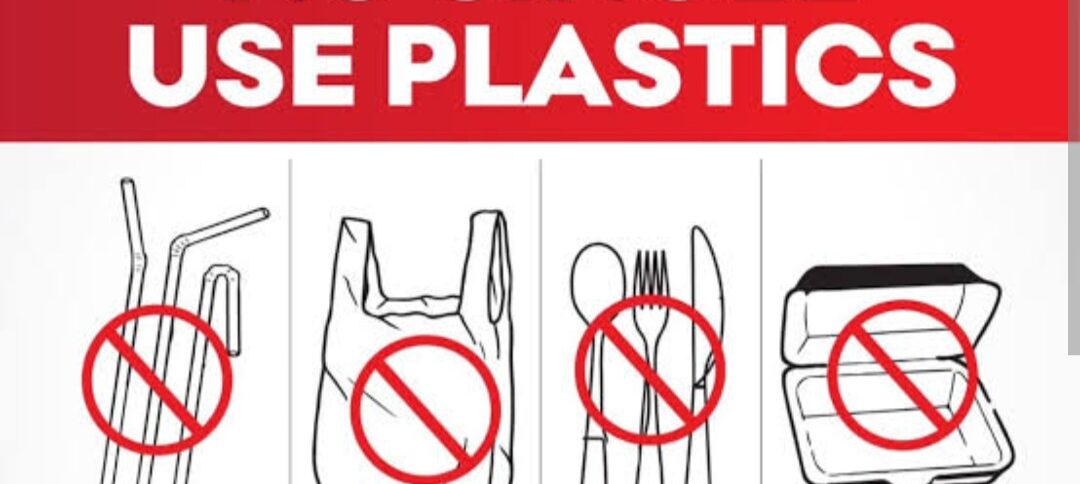

The Manufacturers Association of Nigeria (MAN) has raised serious concerns over the impending ban on Single-Use Plastics (SUPs) by the Lagos State Government, warning that the move could lead to widespread job losses and economic instability across various sectors.
Set to take effect from July 1, 2025, the SUP ban is part of the state’s environmental push to reduce pollution and promote sustainability.
However, MAN’s Director General, Segun Ajayi-Kadir, has urged the government to halt the plan, citing the lack of stakeholder engagement, credible data, and realistic alternatives.
“This is not a plastic problem; it is a waste management failure,” Ajayi-Kadir stated. “It is the failure of plastic waste management that leads to pollution, not the material itself.”
According to him, banning plastic without a sustainable waste management system or scalable alternatives will not solve the problem, it will simply create new ones. He warned that the consequences of the ban could be severe, stretching from manufacturing floors to informal market stalls.
A study commissioned by MAN painted a grim picture: 100% of the manufacturers surveyed expressed fear of forced workforce restructuring if the ban is implemented. The report highlighted “significant adverse economic, operational, and social implications” that would ripple across the value chain from producers and recyclers to traders and final consumers.
Ajayi-Kadir added that it is mainly poor and developing nations that resort to outright plastic bans, often without robust infrastructure to absorb the fallout.
“The government has not made any arrangements for social protection for the employees who risk losing their jobs. There has also been no meaningful dialogue with the affected industries or workers,” he said.
The MAN study also revealed that over 75% of end-users, particularly small and medium enterprises (SMEs), rely heavily on plastic packaging, with no accessible or affordable alternatives currently available.
Furthermore, 93% of dealers, many of whom are women operating in informal markets, reported receiving no prior notice or social support to mitigate the expected impacts of the ban.
Ajayi-Kadir stated the importance of a circular economy, calling on the government to promote recycling instead of banning a key material linked to the country’s petrochemical development.
“Nigeria should not be destroying its petrochemical industry with bans on plastics but should instead close the loop by ensuring that all plastics are recycled,” he said.
As the July deadline approaches, pressure is mounting on the Lagos State Government to reconsider or at least revise the SUP ban policy to avoid what could become an economic and social crisis.