
Herd immunity is achievable.
Immunization remains one of the most critical and cost-effective public health interventions, effectively reducing morbidity and mortality from vaccine-preventable diseases.
Despite significant progress globally, recent data indicates that challenges persist in reaching all children, particularly in Nigeria. Stakeholders have therefore urged Nigerian authorities to step up immunization efforts, especially in underserved regions, to prevent avoidable child deaths.
The World Health Organization (WHO) established the Expanded Programme on Immunization (EPI) in 1974 to ensure that all children have access to essential vaccines. Since then, the world has witnessed remarkable progress in reducing childhood mortality, with under-five deaths dropping from 12.6 million in 1990 to 5.4 million in 2017. However, more work is needed, as millions of children globally, including in Nigeria, remain unvaccinated.
Recent statistics from the United Nations Children Fund (UNICEF) indicate that in the southwestern region of Nigeria alone, at least 2.3 million children are yet to receive critical vaccines. This alarming figure highlights the urgent need to step up immunization campaigns to save lives.
A health worker at a primary care center in the Southwest, Dr. Adebayo Adeniji, pointed out that “poor orientation and misinformation are major factors contributing to vaccine hesitancy among parents.”
Dr. Adeniji further called for intensified public sensitization efforts, particularly in Oyo State and other parts of the Southwest. “We need a change in narrative,” he said.
“People must understand that vaccines save lives. If parents are better informed, they will be more likely to vaccinate their children, protecting not only their families but also the entire community.”
He emphasized the need for a collective effort, as the benefits of immunization extend beyond individual health to community safety.
The benefits of immunization are numerous. Vaccines protect individuals from deadly diseases such as polio, measles, and hepatitis. They help prevent outbreaks and ensure community immunity, where the majority of the population is immunized, thereby providing indirect protection to those who cannot receive vaccines due to medical reasons. Moreover, immunization is a key component in achieving public health objectives and reducing healthcare costs, as it prevents the need for expensive treatment for preventable diseases.
Despite improvements in immunization coverage during the 1990s, the rate in Nigeria has not yet reached the desired 90% coverage for children and vulnerable adults.
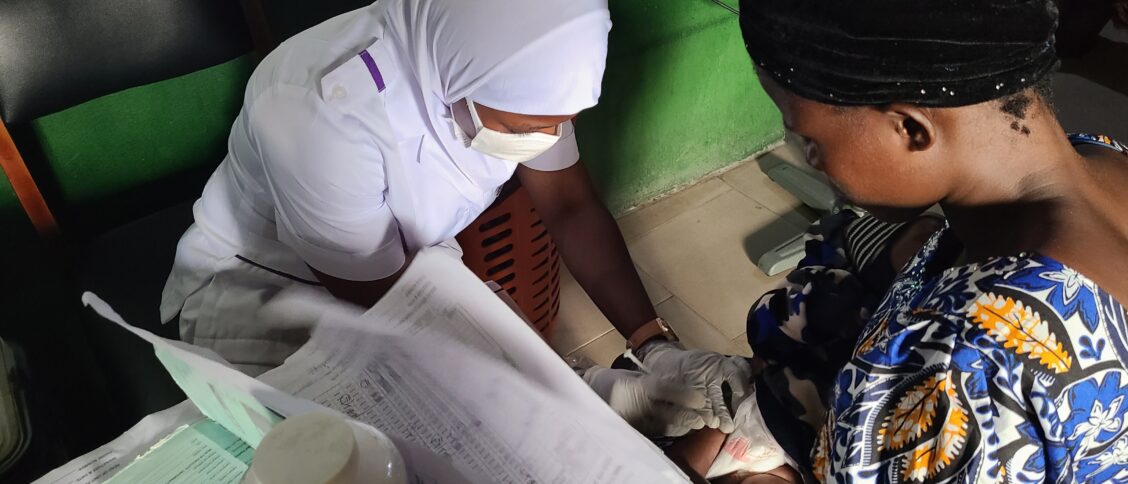
According to Senior Nursing Officer Osunlana Chinyere, many parents are still reluctant to bring their children for vaccination. “We need to ensure that parents are aware of the vaccination schedule and understand the importance of adhering to it,” Osunlana said. She noted that delays or refusals to vaccinate children put them at risk of severe diseases and even death.
Another major challenge facing the immunization system in Nigeria is sustaining coverage rates while incorporating new, often more expensive vaccines into the immunization schedule. Financial constraints, inadequate infrastructure, and logistical challenges contribute to gaps in coverage. Stakeholders have called on the government to allocate more resources and collaborate with international partners to strengthen the country’s immunization system.
Cultural myths and misinformation about vaccines also present barriers to achieving high immunization coverage. Some parents believe that vaccines have side effects that could harm their children, while others distrust health systems entirely.
According to Dr. Adeniji, addressing these myths through targeted education and community engagement is key to changing attitudes. He added, “We need community leaders, religious leaders, and trusted figures to be involved in dispelling these myths and encouraging immunization.”
With climate change impacting public health systems and increasing the prevalence of infectious diseases, the need for robust immunization efforts in Nigeria cannot be overstated. Vaccination remains a critical tool in protecting communities from vaccine-preventable diseases, especially as environmental changes may bring about new health challenges.
Ensuring that children are vaccinated not only protects their health but also strengthens the nation’s resilience against future health crises.
Ultimately, communities depend on high immunization rates to prevent the spread of disease. “The more people who are immunized, the less the risk for everyone,” said Dr. Adeniji. “When parents choose not to vaccinate their children, they are putting the entire community at risk.” The call for intensified vaccination efforts is therefore not just about individual responsibility—it is a matter of public health and community safety.
Vaccines save lives, and timely immunization is essential to keep preventable diseases at bay. As Dr. Adeniji put it, “Now is the time for action. We must intensify our efforts to ensure that no child is left behind in the fight against vaccine-preventable diseases.”
The message is clear: Immunization is a shared responsibility, and protecting every child ensures a healthier future for all.