
It gets worse every year for the country’s education sector. If a country’s future is the worth of its education system, then Nigeria is completely off the shelf.
Nigeria’s struggle for global academic recognition deepened with the recent release of the Times Higher Education World University Rankings 2024, which paints a rather grim picture.
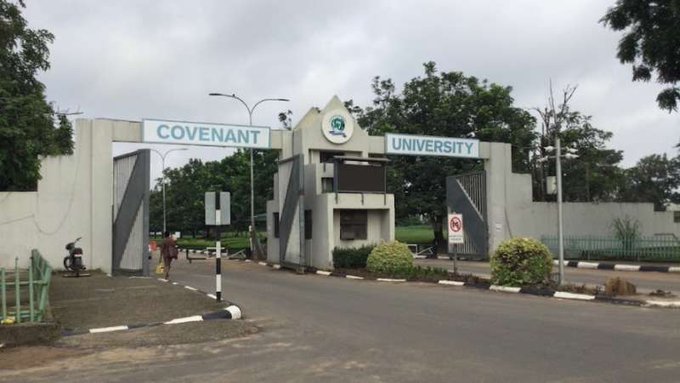
In the 2024 rankings last year, two Nigerian universities –Covenant University, Ogun State and the University of Ibadan— made the top 1,000 spot. This dismal ranking sends shockwaves through a country that prides itself on its academic legacy, raising the question: how bad is bad?
The results leave much to be desired when compared to peer nations. South Africa boasts nine universities on the list, with its University of Cape Town firmly in the top 200. Even Egypt, grappling with its own economic and political challenges, fields six universities. For a country as populous and influential as Nigeria, being outshined by neighboring African nations strikes a nerve, igniting concerns about the state of higher education.

The Times Higher Education rankings are based on key performance indicators, including teaching quality, research output, industry income, and international outlook. Nigerian universities, though rich in history and potential, have consistently struggled in research output and international collaboration, areas where competitors like Egypt and South Africa continue to thrive.
The Certainty of Missing out
Critics point fingers at decades of neglect in funding, infrastructure, and policy reforms. Academic strikes, underfunding, and the brain drain have all taken their toll. While students in other nations enjoy cutting-edge facilities and research opportunities, Nigerian students are left grappling with dilapidated structures and outdated materials.
This educational deficit not only impacts global rankings but also affects the quality of graduates produced.
Still, Nigeria’s exclusion from the prestigious top ranks isn’t for lack of talent. The country continues to produce brilliant minds who excel abroad, making significant contributions in science, engineering, and technology. Yet, the same success stories are rarely replicated within its borders, further highlighting the widening gap between potential and actual performance.
The federal government has tried to address the issues by increasing education budgets and fostering partnerships, but these efforts remain insufficient. The question now is whether these initiatives are too little, too late. Without swift and focused interventions, Nigeria risks falling further behind, as other countries continue to prioritize and invest in their academic futures.
The country’s academic woes aren’t just about prestige; they have real-world implications. A poorly ranked higher education system affects employability, economic growth, and innovation. If the government does not take these rankings as a wake-up call, the future workforce may find itself even more unprepared for the demands of the modern economy.
How bad is bad?
In the case of Nigerian universities, the answer is: pretty bad. But with the right reforms, policies, and investments, it’s not irreversible. The global academic arena is a competitive one, and for Nigeria to reclaim its place, it must start investing in its intellectual capital today.