
A new generation is rising to the climate challenge in Africa – Rwanda
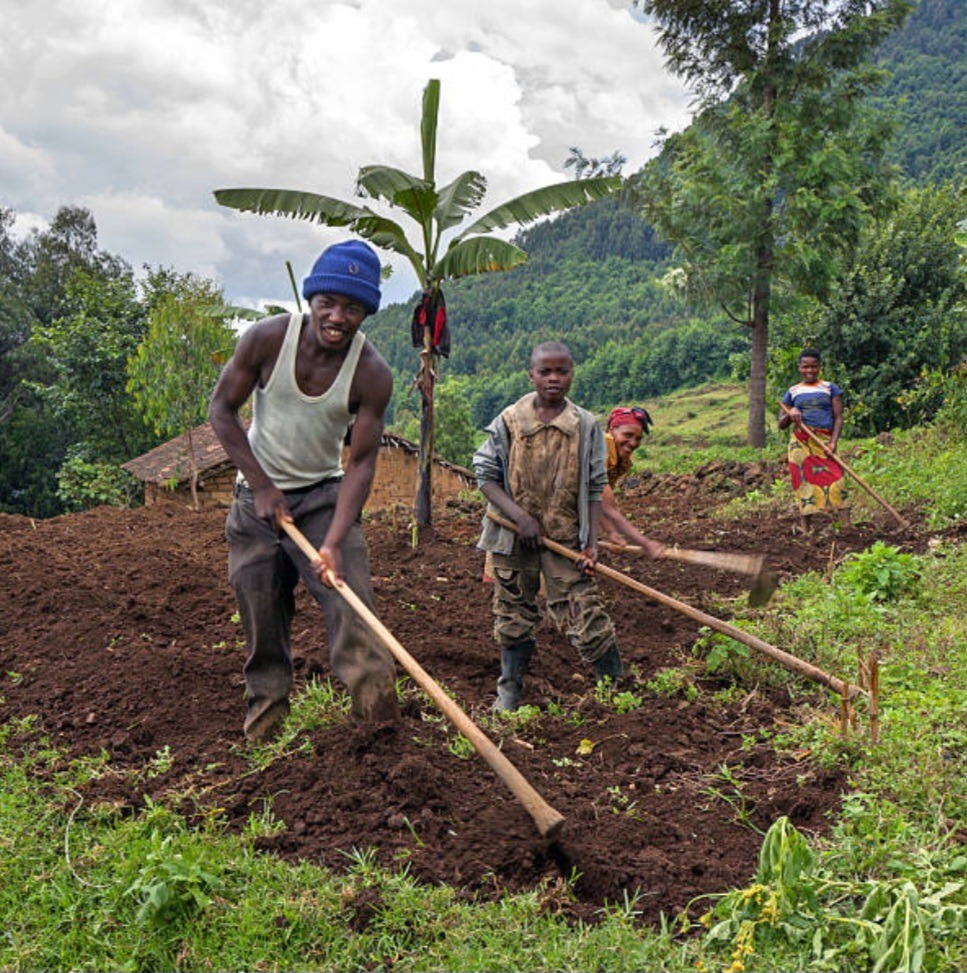
As observed, this country, despite being deeply impacted by climate change is not holding back, young people are stepping up to tackle the environmental challenges threatening their future. Ranked as the 29th most vulnerable country to climate change, Rwanda has experienced temperature increases of up to 2.6°C since 1971. The effects are stark: intense rains in the north and west, persistent droughts in the east, and severe erosion, landslides, and flooding, all of which are disrupting livelihoods.
Determined to address these challenges, Rwanda has embraced international agreements like the Paris Climate Accord and implemented national policies to mitigate climate change. But the heart of its climate action lies in the hands of its youth, who make up nearly half of the nation’s 13 million people.
Through the collaborative efforts of UNICEF and World Vision Rwanda, the “Greening Schools Programme” is empowering young Rwandans to lead the charge in environmental conservation. Over 10,000 students in ten schools are learning about climate change and taking practical steps to create greener, more sustainable communities.
Planting Trees, Planting Hope
A cornerstone of the Greening Schools Programme is tree planting. Students are taught the ecological importance of trees in preventing soil erosion, capturing carbon dioxide, and fostering biodiversity. Beyond theory, they take action, planting and maintaining trees at their schools and in surrounding communities.
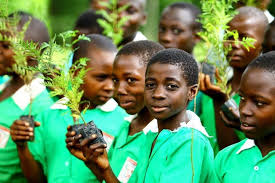
For students like Tuyishime Shalom from Groupe Scolaire Matyazo in Rwamagana District, the program is a chance to make a tangible difference. “Our village has faced flooding and landslides,” Shalom explains.
“Planting trees at school and in our community gives us hope that we can change things.”
Every week, Shalom and her peers don sportswear to engage in tree-planting activities. They have already planted over 1,000 trees at their school, with an additional 2,900 distributed to nearby communities.
“The trees create shaded spaces for us and reduce dust, which makes it easier to focus on our studies,” Shalom adds. “It’s inspiring to know we’re helping the planet.”
Communities Joining the Movement
The impact of the Greening Schools Programme has extended beyond schoolyards. Residents like Gasana Martin and Uwineza Lea have adopted tree planting as a way to restore their environment and secure their future.
Martin, who has planted over 30 Grevillea and fruit trees around his home, sees tree planting as a personal mission. “Once, our land was lush with greenery,” he reflects. “Planting trees is my way of bringing that back.”
Lea, who opted for avocado trees, highlights the practical benefits: “The shade improves our environment, and the avocados will feed my family. It’s a win for us all.”
A New Generation of Climate Leaders
The Greening Schools Programme isn’t just about planting trees—it’s about cultivating a mindset of responsibility and action. By equipping young people with environmental knowledge and skills, Rwanda is building a generation of leaders who are ready to combat climate change.
As Rwanda continues its journey toward sustainability, these young climate champions are proving that the fight for a greener future starts with collective action, education, and a shared vision for a healthier planet.