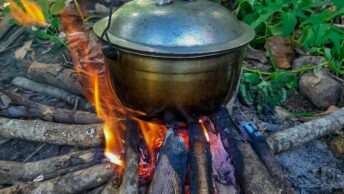

When options are scarce and caught between, people go back to their old ways.
Against the backdroo of a return to firewood as cooking alternative in many Nigeria, the National Bureau of Statistics (NBS) is calling for reforestation and carbon alternatives.
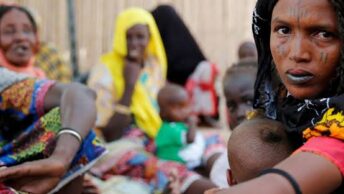
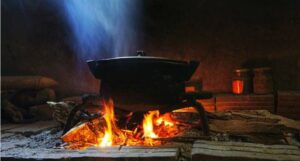
This is in response to Nigeria’s rising firewood consumption, with approximately 17 million households now relying on it due to economic pressures. As more Nigerians turn to firewood for cooking, deforestation accelerates, intensifying environmental degradation and climate challenges.
The NBS suggests increased government investment in sustainable energy sources like liquefied petroleum gas (LPG) and renewable energy, paired with policies promoting tree replanting, as vital steps in reducing carbon emissions and preserving forests.
According to the NBS, the affordability and accessibility of firewood, especially in rural areas, have led to a significant increase in its use as an energy source.
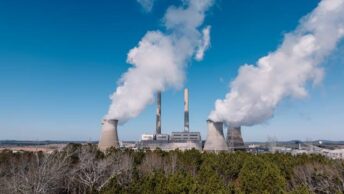
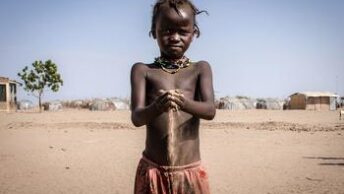
The high rate of deforestation due to firewood collection is becoming a significant environmental hazard in Nigeria. Forest depletion not only contributes to the nation’s carbon footprint but also removes essential buffers that help in flood control, biodiversity preservation, and air purification. A lack of affordable energy sources exacerbates this problem, leaving people with few alternatives for cooking fuel.
The NBS has suggested that a strategic reforestation initiative and a government-backed push towards more sustainable energy sources could help mitigate these issues. Programs promoting liquefied petroleum gas (LPG) as an affordable alternative have shown promise, though their reach remains limited in many communities. LPG is cleaner and more efficient than wood, yet the cost and availability in remote areas continue to be barriers.
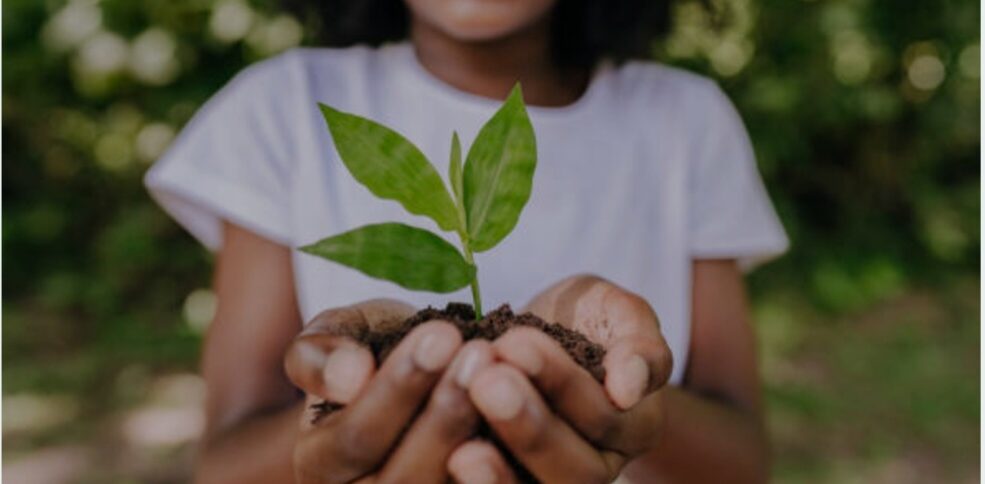
As firewood use continues, the NBS has highlighted the urgent need for policies that focus on tree replanting _
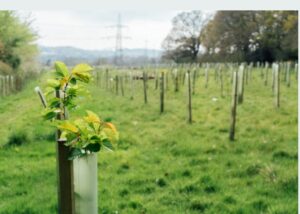 This will invariably offset the ongoing deforestation. Planting trees can help restore lost forests, improve biodiversity, and enhance the soil. The NBS’s call aligns with broader climate action goals in Nigeria, aimed at reducing carbon emissions and protecting natural resources from further degradation.
Another important consideration is the potential impact of reforestation efforts on rural economies. By creating jobs in tree planting and conservation, reforestation projects could provide income sources in areas heavily affected by climate change and economic hardship. This move would also bring communities closer to sustainable development goals while reducing the nation’s carbon footprint.
Transitioning from firewood to sustainable fuel alternatives could yield significant environmental and health benefits. Prolonged exposure to firewood smoke has been linked to respiratory issues, especially among women and children. Cleaner fuel sources like LPG reduce indoor air pollution, potentially lowering health risks for millions of Nigerians.
While the push for alternative energy is necessary, challenges remain in making these options widely available and affordable. The initial cost of LPG stoves and canisters remains high for many, underscoring the need for government subsidies or financing programs that can ease the transition from firewood to LPG.
Other viable alternatives
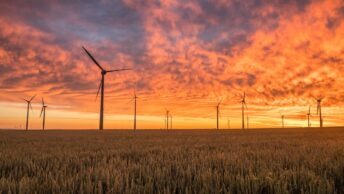
Solar cooking technology is increasingly accessible, though still limited in uptake due to high setup costs and the need for community education. Encouraging the adoption of solar technology could be transformative, both economically and environmentally, by reducing firewood dependence.
Partnerships between the government, private sector, and international organizations are crucial in addressing this pressing issue. By working together, these stakeholders can provide the resources, funding, and infrastructure needed to develop accessible alternatives to firewood.