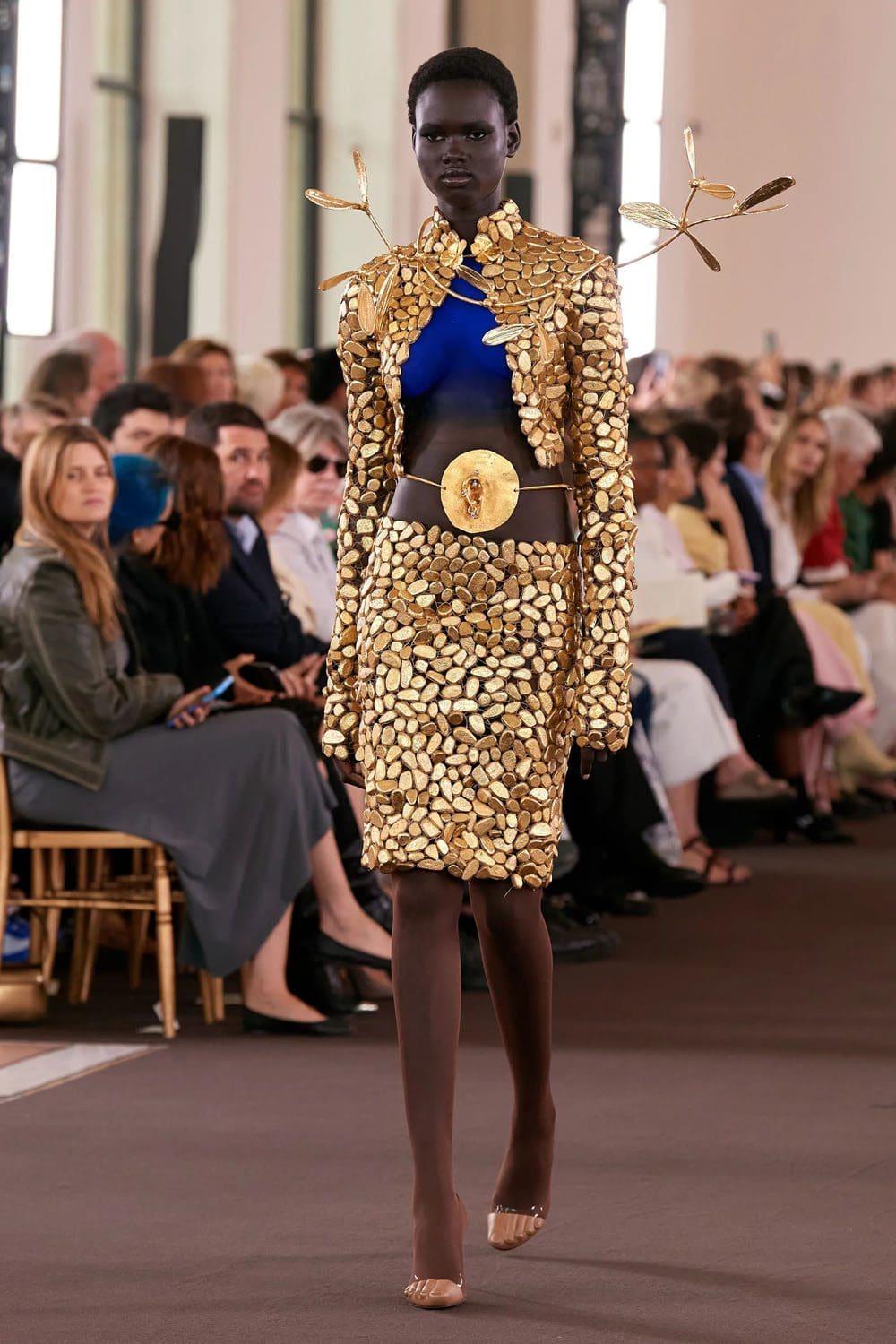

Fashion statements turn heads anywhere. In Paris it turns art.
Paris turned into the global capital of fashion once again as the world’s biggest couture houses unveiled breathtaking collections during Haute Couture Week Autumn/Winter 2026–2027.
Held against the backdrop of an intense European heatwave, the exclusive four-day event brought together fashion’s biggest names, celebrities and designers to celebrate the highest level of craftsmanship in clothing. Unlike ready-to-wear collections, every haute couture garment is handmade, often requiring hundreds of hours of meticulous work and produced for a select clientele.
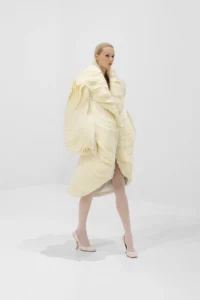
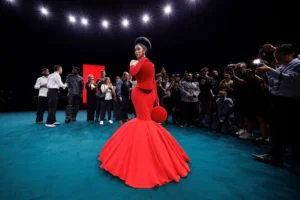
From sculptural silhouettes to scientific innovation and fairy-tale fantasy, this season’s collections demonstrated why haute couture remains the pinnacle of luxury fashion.
Creative director Daniel Roseberry presented “The Call of the Void,” a collection inspired by creative surrender and artistic instinct.
The fashion house once again blurred the line between fashion and sculpture, showcasing dramatic tailoring, surreal embellishments and theatrical silhouettes.
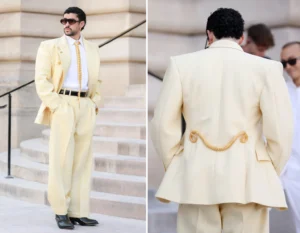
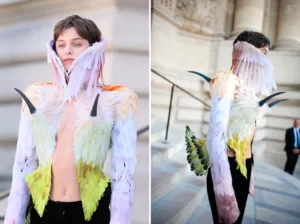
Music superstar Bad Bunny made his Haute Couture Week debut in a butter-yellow tailored suit, while actor Emma Corrin captivated photographers in an extravagant feathered jacket complete with claw-like detailing that reflected Schiaparelli’s signature surrealism.
Pierpaolo Piccioli’s highly anticipated first haute couture collection for Balenciaga successfully honoured founder Cristóbal Balenciaga while introducing his own softer, romantic aesthetic.
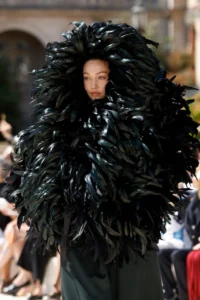
Flowing gowns, cocoon-inspired outerwear and richly textured fabrics dominated the runway, with Gigi Hadid opening one of the show’s standout moments in a dramatic black feathered creation.
The collection balanced architectural precision with movement, offering elegance without sacrificing comfort during Paris’ soaring temperatures.
New creative director Duran Lantink delivered an energetic debut built around transformation, theatricality and playful reinvention.
Inspired partly by Marie Antoinette, the collection explored historical references through a contemporary lens, combining exaggerated tailoring, unexpected proportions and signature Gaultier irreverence.
Each look embraced fashion as performance, reinforcing the house’s reputation for challenging convention.
Matthieu Blazy transformed Chanel’s runway into an enchanted landscape filled with vines, oversized beanstalks and whimsical storytelling.
Models appeared carrying fairy-tale books while wearing intricately embroidered floral gowns, delicate lace creations and dreamlike accessories reminiscent of classic fantasy films.
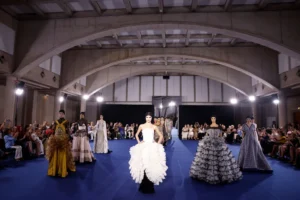
Rather than relying solely on nostalgia, Blazy infused Chanel’s timeless elegance with youthful imagination, proving couture can remain both sophisticated and playful.
Jonathan Anderson continued reshaping Dior’s couture identity with a collection inspired by American sculptor Lynda Benglis
Accordion-like dresses, sculptural skirts and flowing silhouettes highlighted Anderson’s fascination with movement and artistic form.
Although much attention surrounding Dior centred on reports that Anderson designed the bridal looks for Taylor Swift and Travis Kelce’s wedding, the runway itself stood confidently on its own through understated elegance and architectural precision.