
Extreme weather conditions are affecting food production and projection.
The Food and Agriculture Organization (FAO) has raised alarm over the growing risk to global food security posed by the ongoing La Niña weather phenomenon.
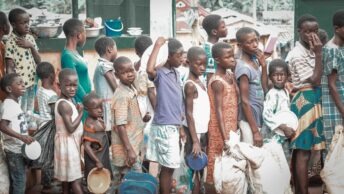
La Niña, known for triggering cooler-than-average sea surface temperatures in the Pacific, disrupts global weather patterns, often leading to droughts in some regions and flooding in others. As these events intensify, vulnerable populations, particularly in developing nations, are expected to face severe food shortages and agricultural losses.
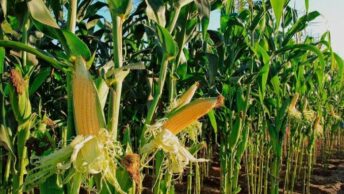
Historically, La Niña has had devastating impacts on crop yields, with droughts affecting critical agricultural zones, especially in East Africa, Central America, and parts of Asia. These regions, already grappling with poverty and malnutrition, are particularly vulnerable. Crops like maize, wheat, and rice may suffer declines, driving up prices and increasing food insecurity.
FAO’s concern therefore centers on the compounded effects of climate change and other global crises like the COVID-19 pandemic and conflicts, which have already stretched resources thin.
FAO has stressed the need for rapid global response and coordinated action to safeguard food systems from the worsening effects of La Niña, urging governments to invest in climate-resilient agricultural practices, such as drought-resistant crops and improved water management systems.
The body sees early warning systems as critical for timely interventions, to enable farmers prepare for unfavorable weather and minimize crop damage.
Why Plan Now?
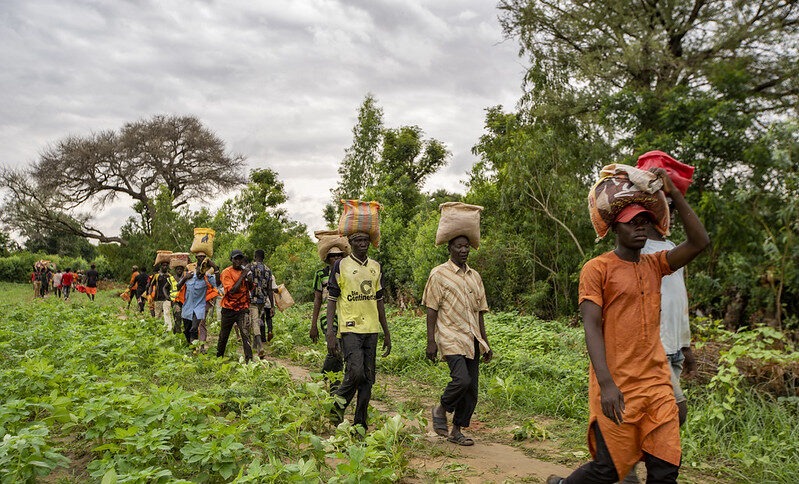
The organization also emphasizes the importance of social protection measures to support smallholder farmers and rural communities. These farmers, who often operate on marginal land with limited access to resources, are especially at risk. Providing financial aid, food assistance, and technical support can help them weather the impact of La Niña and avoid deepening cycles of poverty.
FAO also encourages enhanced international cooperation to tackle global food insecurity. This includes collaboration on agricultural research, sharing best practices for climate adaptation, and increasing funding for food security programs. Developed nations are called upon to offer more substantial support to regions hardest hit by the climate-related crisis.
The effects of La Niña are not limited to crop production. Fisheries and livestock sectors are also expected to suffer due to changing water temperatures and reduced pastureland. The FAO has highlighted the need for comprehensive support to these industries, as they are integral to the livelihoods of millions worldwide.
Beyond food production, La Niña’s impact on global food prices is a major concern. Price spikes can lead to inflation, further squeezing low-income households. For countries heavily reliant on food imports, this could mean higher bills and mounting trade deficits, exacerbating economic pressures.
The FAO’s call to action is urgent and aimed at preventing a catastrophic rise in hunger levels globally. With climate change amplifying the effects of La Niña, the window for preventive measures is rapidly closing. Unless swift action is taken, the most vulnerable populations will continue to bear the brunt of increasingly volatile weather conditions.
FAO’s approach instructs resilience-building through sustainable practices and global solidarity. The organization stresses that food security is not just a local issue but a global responsibility. Protecting food systems from La Niña’s impacts will require joint efforts from policymakers, scientists, and communities across the globe.
Ultimately, the FAO’s message is clear: immediate and coordinated action is the only way to mitigate the severe risks that La Niña poses to global food security.