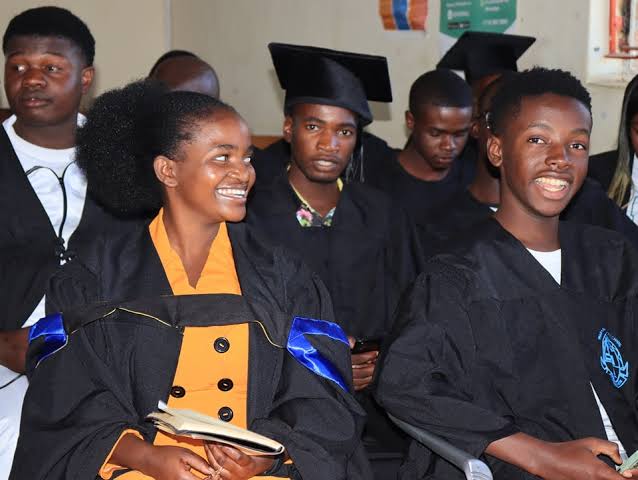

A new workforce report is challenging a long-held assumption about unemployment in Nigeria, suggesting the crisis may be less about a shortage of jobs and more about a shortage of skills.

According to findings released by Proten International, a significant number of Nigerian graduates are entering the labour market without the competencies employers now consider essential, particularly in critical thinking, communication, and problem-solving.
The report reveals that seven in ten employees admit they lack the training needed to think critically or solve problems creatively, raising concerns about the preparedness of the country’s workforce in a rapidly evolving global economy.
Presented at an industry roundtable in Ikeja, the study paints a picture of deep misalignment between academic training and workplace demands. More than 55 percent of graduates are working in roles unrelated to their field of study, while nearly 60 percent of employers say new hires are inadequately prepared for their jobs.
Analysts say the gap goes beyond technical knowledge. Deficiencies in teamwork, communication, digital literacy, and practical experience are emerging as major barriers to employability, even for degree holders.
Speaking at the event, Deborah Yemi-Oladayo described the challenge as “multidimensional,” pointing to systemic issues within both the education sector and corporate training culture.
She questioned the level of investment in lecturer development, arguing that educators themselves must be equipped with modern tools and training to effectively prepare students.
“If we expect more from our lecturers, we must invest in them to deliver that value in the classroom,” she said.
The report also highlights a paradox within the private sector: while many companies are investing heavily in digital transformation, fewer are prioritising human capital development, particularly in areas such as leadership, creativity, and cross-functional problem-solving.
Yemi-Oladayo urged undergraduates to take ownership of their development by acquiring soft skills and seeking learning opportunities beyond formal education. From online courses to internships and collaborative projects, students are being encouraged to build competencies that align with real-world demands.
“We have platforms offering free training globally,” she noted, advising students to shift focus from passive social media consumption to active self-improvement. “Nobody will do it for them.”
Experts say addressing the skills gap will require a coordinated effort, reforming academic curricula, investing in teacher training, and encouraging employers to play a more active role in workforce development.
Until that gap is bridged, many graduates may continue to find themselves qualified on paper, but unprepared in practice.