
After several days of intense negotiations in Belém, Brazil, global climate diplomats have reached an agreement to improve climate finance and accelerating the implementation of the Paris Agreement.
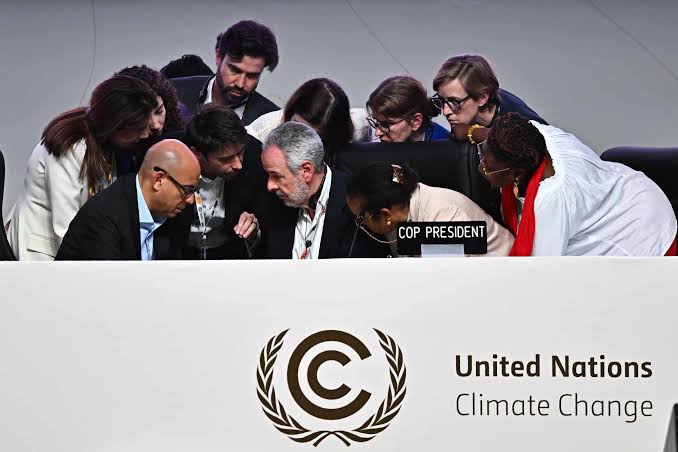
The deal, after two weeks, was finalised at the close of COP30, where delegates mobilised at least $1.3 trillion annually by 2035 for climate action, a major leap forward in funding ambition.
The agreement also calls for tripling adaptation finance and operationalising the loss and damage fund first established during COP28, an important mechanism for supporting nations already suffering the harshest impacts of global warming.
To further push implementation efforts, COP30 launched two major initiatives: the Global Implementation Accelerator and the Belém Mission to 1.5°C. Both are designed to help countries deliver on their Nationally Determined Contributions (NDCs) and strengthen adaptation plans needed to cushion communities against climate extremes.
Negotiators also acknowledged the rising threat of climate disinformation, pledging to promote information integrity and counter narratives that undermine science-based climate action. It is the first time such a strong stance on misinformation has been embedded into a COP decision.
Yet despite these milestones, the final agreement leaves notable gaps. In his closing remarks, COP30 President André Corrêa do Lago admitted that some issues fell short of parties’ ambitions.
“We know some of you had greater ambitions for some of the issues at hand,” he said. “I know the youth civil society will demand us to do more to fight climate change. I want to reaffirm that I will try not to disappoint you during my presidency.”
Civil society and climate experts echoed these mixed sentiments. Ani Dasgupta, President and CEO of the World Resources Institute, described COP30 as a meeting of both breakthroughs and missed opportunities.
“COP30 delivered breakthroughs to triple adaptation finance, protect the world’s forests and elevate the voices of indigenous people like never before,” he said. “But many will leave Belém disappointed that negotiators couldn’t agree to develop a roadmap to transition away from fossil fuels.”
More than 80 countries had pushed strongly for a clear and equitable pathway away from oil, gas and coal. However, intense lobbying from a handful of petrostates weakened the final text. Instead of a new commitment, the agreement only references an earlier decision on accelerating climate transition across multiple sectors.
In response, the Brazilian Presidency announced plans to develop separate fossil fuel and deforestation roadmaps outside the formal negotiation process.
Climate Action Network International (CAN) welcomed what it called one of the strongest rights-based outcomes in UN climate negotiations, particularly the adoption of the just transition mechanism. Still, the organisation warned that COP30 produced weak outcomes in areas most critical to vulnerable communities, especially adaptation finance.
CAN criticised the absence of a concrete global response plan to address the widening ambition gap. “While welcome, we need more than a process,” the group said. “We need implementation that includes finance to urgently address the cause of the climate crisis.”