
The conversation around the health of our planet is getting more intense.
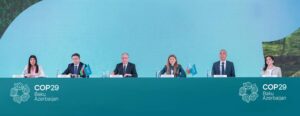
The 29th United Nations Climate Change Conference (COP29) has opened in Baku, Azerbaijan, against a backdrop of heightened urgency and complex geopolitical tensions. With global temperatures surging, many are looking to COP29 to deliver solutions. The conference is a focal point for discussing climate financing, with world leaders and activists pressing for tangible commitments. It’s estimated that $1 trillion annually will be needed to effectively mitigate climate impacts and shift economies toward green energy—a number that raises both hope and skepticism about achieving these ambitious goals.
What The Big Boys Are Saying
As delegates gather, climate financing is high on the agenda. Developing nations argue they face the brunt of climate consequences without adequate support. For years, wealthier countries have pledged funding to help these nations adapt and reduce emissions, yet much of this funding remains unrealized. This year, the stakes are particularly high, with many vulnerable countries pushing for clearer, more binding financial commitments. They seek not just pledges but mechanisms to ensure money is accessible, consistent, and targeted toward actual climate resilience projects.
Meanwhile, the conference opened under a new cloud of uncertainty: former U.S. President Donald Trump, who could potentially return to office, has pledged to withdraw the United States from global climate agreements if re-elected. His stance has raised alarms in Baku, given the pivotal role the U.S. plays in climate diplomacy and funding. Trump’s position could unsettle progress, undermining commitments to greenhouse gas reduction and slowing financial flows to developing nations. The possibility of U.S. withdrawal is a reminder of the fragility of climate accords and how political shifts can shape global momentum.
IAEA Options
Nuclear energy has emerged as a focal point in Baku, with the International Atomic Energy Agency (IAEA) actively promoting it as a part of the climate solution. As renewable energy sources like solar and wind remain crucial, the IAEA argues that nuclear energy, with its low carbon emissions and consistent output, can complement these renewables. Given the challenges of meeting high energy demands while reducing carbon footprints, nuclear is seen as a reliable, scalable option. This year, the IAEA plans to showcase new nuclear technologies that could make this option safer and more accessible.
IAEA’s role at COP29 marks a significant shift in how nuclear power is perceived in the climate context. While environmental concerns surrounding nuclear waste remain, the need for low-carbon energy has softened some resistance. Experts argue that new advancements, such as small modular reactors, can help address safety concerns and reduce environmental impact. Advocates also highlight nuclear’s potential to power emerging green hydrogen industries, which could further reduce dependence on fossil fuels. Nuclear energy is framed as a viable bridge toward achieving net-zero targets, especially for countries that struggle with renewable intermittency.
Africans are Talking Too
Finance discussions are crucial not just for climate adaptation but for unlocking clean energy technologies in developing regions.
Baku has become a platform for the African Union and other coalitions from the Global South to emphasize how climate finance needs to be flexible and accessible.
African nations, for instance, are calling for simplified access to funds, noting that red tape and high costs often prevent them from leveraging available climate aid. At COP29, many hope for reforms that can make climate financing not only more available but also more adaptable to local contexts.
However, the broader financing landscape remains challenging. Wealthy nations have committed billions, but the gap between pledges and delivered funds persists. Climate advocates argue that achieving genuine progress will require more innovative approaches to funding. This includes mobilizing private sector investments, leveraging philanthropic foundations, and developing new financial instruments like green bonds. In Baku, delegates are exploring these options, hoping to bridge the trillion-dollar gap in funding required for meaningful climate action.
Another critical issue is the accountability of climate commitments. Many countries have pledged net-zero targets, but few have laid out concrete plans. In Baku, activists are demanding greater transparency, calling for frameworks to track the actual progress of each nation. Without reliable metrics and accountability, these pledges risk becoming empty promises. This year’s COP has seen a strong push from climate NGOs for binding agreements that can penalize countries falling behind on their goals, which would mark a shift from previous voluntary, often unmonitored, frameworks.
Remember…
Loss and damage funding—a key issue for vulnerable nations—continues to be a contentious topic. As rising sea levels, storms, and droughts devastate communities, countries are asking for direct compensation for the irreversible losses they face. Developing nations argue they should not bear the economic burden alone, and are seeking a dedicated fund to help them recover and adapt. In Baku, there is significant pressure on wealthier nations to contribute to this fund, which many argue is not charity but responsibility.
The IAEA is not alone in showcasing technology; Baku has attracted various innovators who are eager to demonstrate solutions for carbon capture, renewable storage, and sustainable agriculture. With the climate crisis intensifying, technology is seen as essential to meeting the Paris Agreement’s temperature goals. While technology alone won’t solve the crisis, its role in adaptation and mitigation is undeniable. COP29 provides a critical platform for innovators to secure partnerships and funding that could scale these solutions globally.
Youth activists are making their voices heard, stressing that COP29 must not be a mere diplomatic event but a decisive moment in climate action. Many young leaders are urging decision-makers to think beyond economic gains and prioritize human survival. From Greta Thunberg’s campaigns to local youth groups, the pressure on delegates is high, with young voices demanding urgent measures that will secure a livable future. For them, the promises made in Baku represent either hope or disappointment, as they will live with the long-term outcomes of these policies.
Adaptation, a crucial yet often overlooked aspect of climate action, is also gaining attention. Regions already experiencing severe climate impacts require infrastructure that can withstand future risks. This includes flood defenses, resilient agriculture, and early warning systems for disasters. COP29 is expected to bring these issues to the forefront, with developing nations arguing that without adaptation support, they cannot fully address the ongoing and future effects of climate change.
From nuclear solutions to financing debates and the shadow of political upheaval, each element of this summit highlights the scale of the challenge. Success requires a multifaceted approach—where energy transition, adaptation, and accountability all converge.
With a potential $1 trillion needed annually and looming uncertainties on the international stage, the choices made in Baku could shape the future of global climate policy and action for years to come.