
The recently held Climate Summit in Baku has achieved a groundbreaking milestone: a commitment to mobilize $300 billion annually to help developing nations tackle the mounting impacts of climate change. This pledge reflects a seismic shift in addressing historical imbalances, as wealthier nations recognize their responsibility to support vulnerable countries grappling with climate-induced disasters.
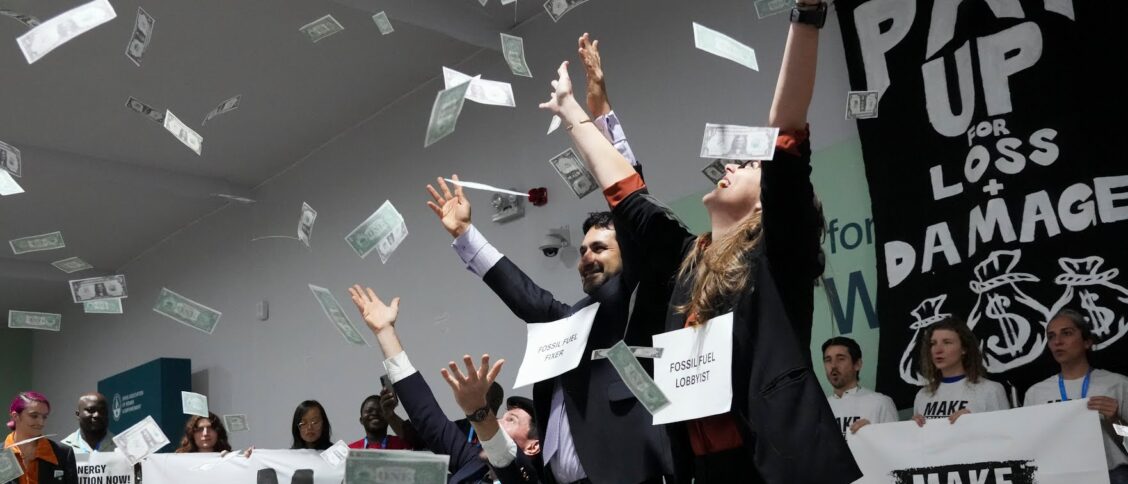
Unfortunately, organisations and campaigners unhappy with the offer at the Cop29 have labeled it a joke.The Climate Action Network International, a network of 1,900 civil society groups in more than 130 countries, described it as a “joke”.
The fund comes at a time when the planet faces unprecedented challenges. The UN reported that 2024 will likely conclude the hottest decade ever recorded, with extreme weather wreaking havoc worldwide. These events disproportionately affect poorer nations, underlining the urgency of robust financial intervention.
This $300 billion initiative replaces the previous $100 billion annual target, established in 2009, which has consistently fallen short of delivering adequate support. COP29 participants emphasized that climate finance is not charity but a necessity for global economic stability, as climate disruptions threaten supply chains, food security, and livelihoods everywhere.
The fund’s design promises inclusivity and equity. It aims to address loss and damage, fund renewable energy projects, and support adaptation measures. Delegates also stressed the need for systemic reforms, ensuring finance reaches frontline communities swiftly and efficiently.
UN climate chief Simon Stiell, echoing these sentiments, urged nations to see beyond national interests. His powerful message highlighted the interconnected nature of the crisis, urging global unity to tackle rising temperatures, sea levels, and the devastating consequences of inaction.
While the announcement has been celebrated, challenges remain. Critics argue that clear mechanisms for accountability and fund distribution must be established to prevent delays and inefficiencies. Additionally, wealthy nations must honor their commitments without redirecting existing development aid.
The broader success of COP29 will depend on turning pledges into tangible actions. Developing nations, often on the brink of climate catastrophe, cannot afford delays. They require immediate access to funds to rebuild after disasters, adapt to changing climates, and chart sustainable pathways for the future.
For small island nations like Tuvalu and Kiribati, the stakes couldn’t be higher. Rising seas threaten their very existence, making immediate access to loss-and-damage funds a matter of survival. Leaders from these nations have called for expedited disbursement processes to ensure that bureaucratic delays don’t cost lives.
At COP29, representatives of the Alliance of Small Island States (AOSIS) and the Least Developed Countries (LDCs) walked out of a key meeting, demanding 30% of climate finance be guaranteed for vulnerable nations. Speaking afterward, delegates from Samoa and Sierra Leone voiced their frustration, stating they felt sidelined in negotiations. The Samoan rrepresentative said: “We came here for a fair deal. We walked out because we don’t feel heard.”
Howeve, developing countries have stressed the importance of transparent mechanisms to ensure the funds reach those who need them most. Past climate pledges, such as the $100 billion per year promised at COP15 in Copenhagen, have fallen short in delivery, eroding trust between nations.
As COP29 concludes, it leaves behind a legacy of ambition. The $300 billion fund symbolizes hope and a renewed commitment to climate justice. Yet, it also serves as a call to action, urging nations to uphold their promises, foster trust, and ensure that no community is left behind in the fight against climate change