
There is nothing to upscale, just water mixed with a flirt of oil.
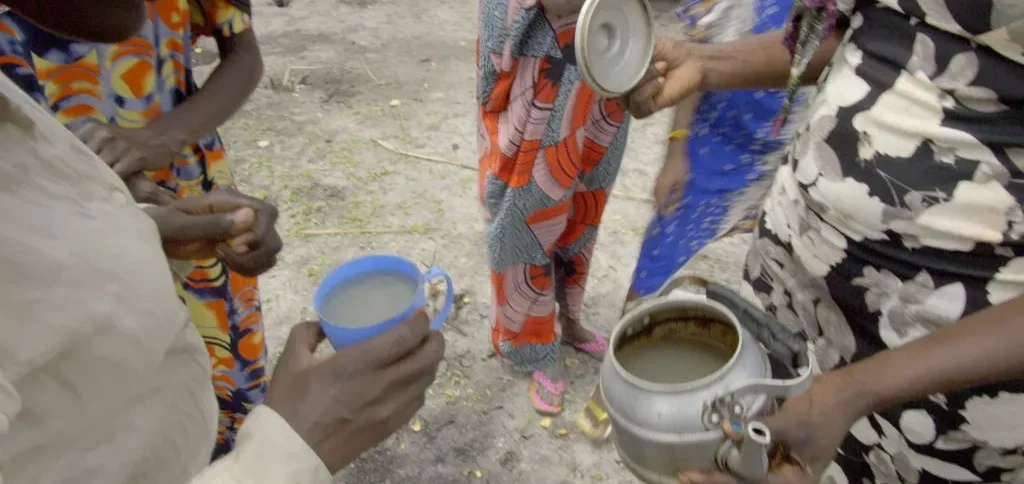
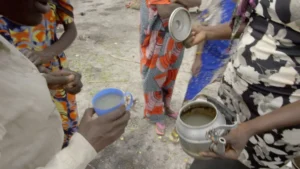
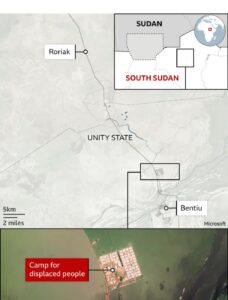
In South Sudan’s Unity State, rising floodwaters have mixed with oil pollution, creating a toxic crisis for local communities. Here, cattle herders and villagers face an impossible choice: drink polluted water, which they know is unsafe, or suffer severe dehydration.
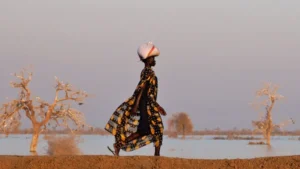
The flooding has worsened due to climate change, scientists say, as intense rains continue to overwhelm the clay soil, which holds water for long periods. In 2022, the UN World Food Programme estimated that two-thirds of Unity State was underwater; now, 40% remains submerged, with no sign of relief.
The region’s oil fields are a lifeline for South Sudan’s economy, generating essential government revenue, but environmental management has lagged. Former oil engineer David Bojo Leju, who once worked for the Greater Pioneer Operating Company (GPOC) in Unity State, spoke to the BBC; he describes a harrowing scene: oil spills contaminating land and waterways, often left untreated. Mismanaged “produced water,” a byproduct of oil extraction, is high in harmful chemicals.
According to Bojo Leju, this toxic mix has reached local ponds, rivers, and boreholes, threatening the health of both people and livestock.
For communities reliant on this water, health risks are widespread. People have reported respiratory problems, diarrhea, and other illnesses after drinking the water. Nyakal, a local woman making charcoal, says boiling the water does little to alleviate symptoms like abdominal pain. In Bentiu’s hospital, doctors are witnessing a rise in birth defects, from babies born with fused facial features to children with missing limbs. Dr. Samuel Puot, a local physician, suspects that oil-related contamination could be a contributing factor, though a lack of systematic data collection makes it hard to confirm.
The South Sudanese government has commissioned an environmental audit on oil pollution, but its findings are yet to be released. Meanwhile, Mary Ayen Majok, a senior politician from the ruling party, has voiced concerns over pollution’s devastating toll on health. Many cases of birth defects, she notes, go unreported due to stigma and lack of access to healthcare. However, pushing for greater accountability in an oil-dependent economy has proven difficult. “Talking about oil is like touching the heart of the government,” Bojo Leju said, recounting how he was pressured into recanting his testimony on oil pollution.
Amidst the flooding, agricultural livelihoods have been decimated. Many families are now housed in flood-protected camps, relying on food aid to survive. Some brave the waters to forage for water lily roots, which have become a crucial food source. Yet, even these plants may carry contaminants, leaving residents with few safe options. To make ends meet, others, like Nyeda, walk for hours to gather wood for charcoal production, despite fears for their health. Living in a crowded camp near Bentiu, she faces constant challenges finding clean water for her children.
Local agriculture has also suffered. Since 2019, more than 100,000 cattle have died due to a combination of floods and pollution, according to Unity State’s agriculture minister. Livestock, an economic mainstay, now drink from polluted water sources, leading to birth deformities in calves and overall health deterioration. Many herders worry that without intervention, these impacts will continue to escalate, damaging their livelihoods for generations.
Environmental specialists stress that oil pollution is likely playing a significant role. For example, studies by Germany-based NGO Sign of Hope in Unity State found alarming levels of heavy metals and salinity near oil wells, along with high concentrations of lead and barium in hair samples from local residents. These findings, coupled with reports of birth defects and livestock deaths, underscore a crisis exacerbated by poor environmental practices.
Scientists fear that South Sudan’s climate conditions could worsen, with rising temperatures increasing the frequency of extreme rains. Dr. Chris Funk of the Climate Hazards Center links recent deluges to record-high ocean temperatures, a phenomenon intensified by climate change. As rainfall swells and floods persist, there is uncertainty over whether these waters will ever fully recede. The country faces a bleak outlook if urgent measures to address both climate resilience and pollution are not enacted.
Yet, amid this grim reality, many in Unity State hold on to hope. Elders in the community dream of a return to farming, grazing, and self-sufficiency. For now, they wait for the waters to recede and for the government and oil companies to take responsibility. But with oil’s shadow looming large over South Sudan’s economy, achieving accountability and environmental justice may be an uphill battle.