
As simple it seems, cooking has become a source of widespread health, environmental, and economic harm in many African households.
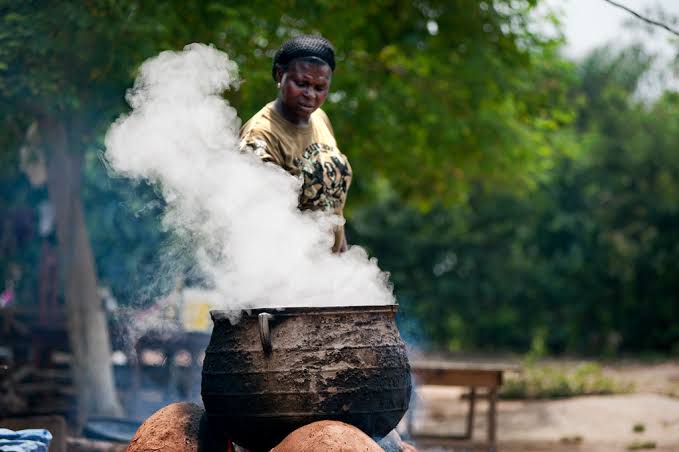
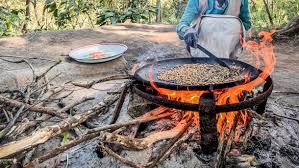
Currently, four out of five families on the continent still rely on open fires or rudimentary stoves that burn wood, charcoal, agricultural waste, or even animal dung. This age-old method of preparing food is not only outdated but deadly.
According to a new report by the International Energy Agency (IEA), around one billion Africans still cook with polluting fuels, exposing themselves to toxic smoke that harms their health and contributes significantly to global greenhouse gas emissions. The scale of the problem is staggering: poor indoor air quality from cooking smoke causes an estimated 815,000 premature deaths every year across Africa. These deaths are mostly preventable, making the issue not just urgent but unconscionable.
The environmental toll is equally severe. Open-fire cooking drives deforestation as millions of trees are cut down annually for fuel, reducing vital carbon sinks and accelerating climate change. The IEA report highlights that emissions from traditional cooking methods in Africa rival those of the entire global aviation industry.
Women and children are disproportionately affected. In many communities, they bear the burden of collecting firewood, often walking long distances in dangerous conditions—then spending hours tending to the fire. This daily chore steals time from education, productive work, and rest. It also reinforces cycles of poverty and gender inequality.
The IEA believes this situation is solvable. Its clean cooking roadmap outlines a bold yet achievable goal: reaching 80 million people each year with clean cooking technologies. But the current pace of progress is far too slow. To meet this target, the agency is calling for a tenfold increase in annual investments from the current levels to $2 billion a year.
While that figure may sound steep, Fatih Birol, head of the IEA, says it represents just 0.1 percent of global energy investment:
“For once and for all, this problem can be solved,”
The potential impact is transformative. Clean cooking access could prevent 4.7 million premature deaths in sub-Saharan Africa by 2040 and cut greenhouse gas emissions by 540 million tons annually—equivalent to the annual emissions of global aviation.
Solutions already exist and are being deployed. Clean cooking technologies include LPG stoves, electric and solar-powered alternatives, and biogas systems. While LPG is still a fossil fuel, it emits far fewer pollutants than burning wood or charcoal and can serve as a transitional solution while cleaner technologies scale up.
Progress is underway. A landmark IEA summit held in Paris in 2023 secured $2.2 billion in public and private commitments and political pledges from 12 African governments. Since then, $470 million has been distributed. In Malawi, a modern stove factory is under construction. In Uganda and Côte d’Ivoire, programs are offering affordable stoves to low-income households. These are early signs that change is possible.
Yet, the challenge remains immense. In sub-Saharan Africa, the number of people without access to clean cooking is still rising, not falling. Without coordinated policy support, adequate investment, and public awareness, millions more will continue to suffer.
The path forward must include robust government action, community education, and incentives for clean energy adoption. By investing in clean cooking, African nations can protect their forests, improve public health, empower women, and contribute meaningfully to the fight against climate change.
Cooking shouldn’t be a death sentence.