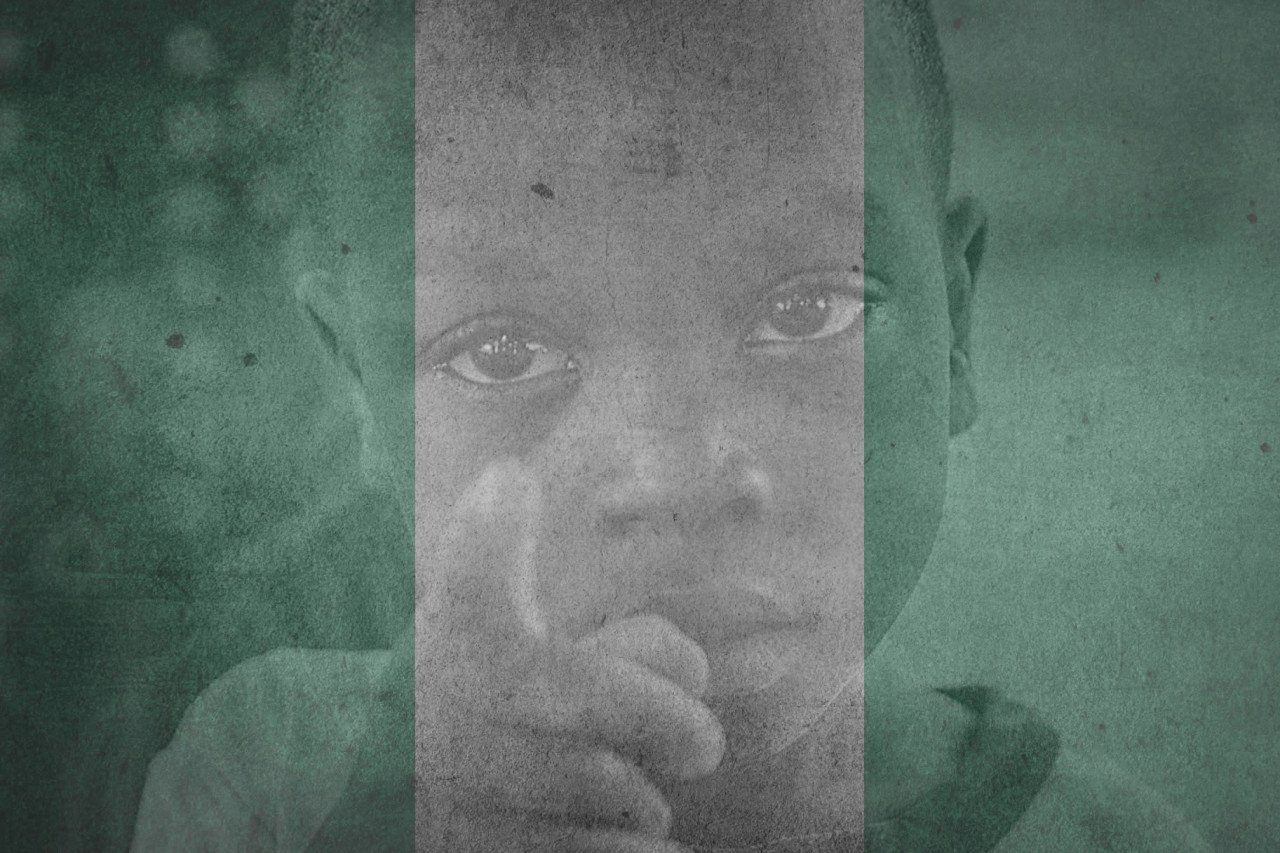

Children’s Day in Nigeria is celebrated on May 27th across Nigeria.
This international holiday since it began in 1964, is timed at celebrating children, raising awareness about issues affecting them, and appreciating their role as the future of society.
While it is not a public holiday, many schools give children a day off to celebrate with their families. The event is widely observed by people and organizations across Nigeria.

Celebrations and Activities
The day is marked by parades, parties, and various activities. Schools often organize parades, and the Nigerian government holds an official annual parade involving teachers, parents, and children.
Some TV and radio stations allow children to broadcast and anchor programs, providing them with valuable experience. Additionally, children might get opportunities to shadow adults at work, including high-profile roles such as governors.

Religious groups and communities also celebrate by hosting events for less privileged children, highlighting the challenges they face and seeking to address these issues.
Where It Began
Children’s Day has its roots in a service held by Charles Leonard, a pastor in the USA in 1857, which became known as Children’s Day. Turkey has celebrated a national Children’s Day since 1920. In 1925, International Children’s Day was declared at the World Conference on Child Welfare in Geneva. The Women’s International Democratic Federation in Moscow later declared June 1st as the International Day for the Protection of Children, leading to various dates being celebrated globally.
Stakeholders Call
Stakeholders like UNICEF are emphasizing the necessity of a multi-sectoral strategy informed by the performance of states on the Minimum Standards for Safe Schools. This strategy involves thorough planning, effective coordination, and sufficient resource allocation. By focusing on states with higher risks, the approach aims to create a secure learning environment where children can thrive without fear.

Leveraging Digital Platforms for Continuous Learning
In addition to improving physical school safety, UNICEF has stressed the importance of alternative learning platforms. One notable initiative is the Nigerian Learning Passport, a digital platform that has attracted over 750,000 users. This platform provides curriculum-aligned materials, ensuring that children’s education continues uninterrupted, even during school closures.
Collaboration for a Better Future
UNICEF’s commitment extends to working closely with the Nigerian government, donors, and various partners. The goal is to build a robust education system that is safe, inclusive, and of high quality. By pooling resources and expertise, these collaborations aim to address the multifaceted challenges facing education in Nigeria.

What Is Important
The most crucial right for children is access to education. Despite primary education being officially free and mandatory, UNICEF reports that around 10.5 million Nigerian children aged 5-14 are not attending school. Only 61 percent of children aged 6-11 regularly attend primary school, and merely 35.6 percent of children aged 3-5 receive early childhood education. The situation is even worse in the northern part of the country, where the net attendance rate is just 53 percent.
Addressing the issue of out-of-school children and bringing them back into the educational system remains a significant challenge.



Can you be more specific about the content of your article? After reading it, I still have some doubts. Hope you can help me.