
Australia is gradually emerging as a frontrunner in the global effort to eliminate cervical cancer, with scientists and public health experts suggesting the country could reach a major breakthrough within the next decade and potentially becoming the first nation to do so.
The push places Australia ahead of other ambitious nations such as Sweden and Rwanda, both targeting elimination by 2027 through accelerated vaccination and screening programmes. However, both countries are reportedly struggling to meet key benchmarks. Meanwhile, the United Kingdom has set a longer-term goal of 2040 but faces setbacks due to declining vaccination uptake and screening participation.
According to a BBC article, Australia’s progress is rooted in decades of scientific research and early policy action. A major breakthrough came with the development of Gardasil, a vaccine designed to prevent the human papillomavirus (HPV), the leading cause of cervical cancer. Following its regulatory approval, Australia became the first country to introduce a nationwide HPV vaccination programme.
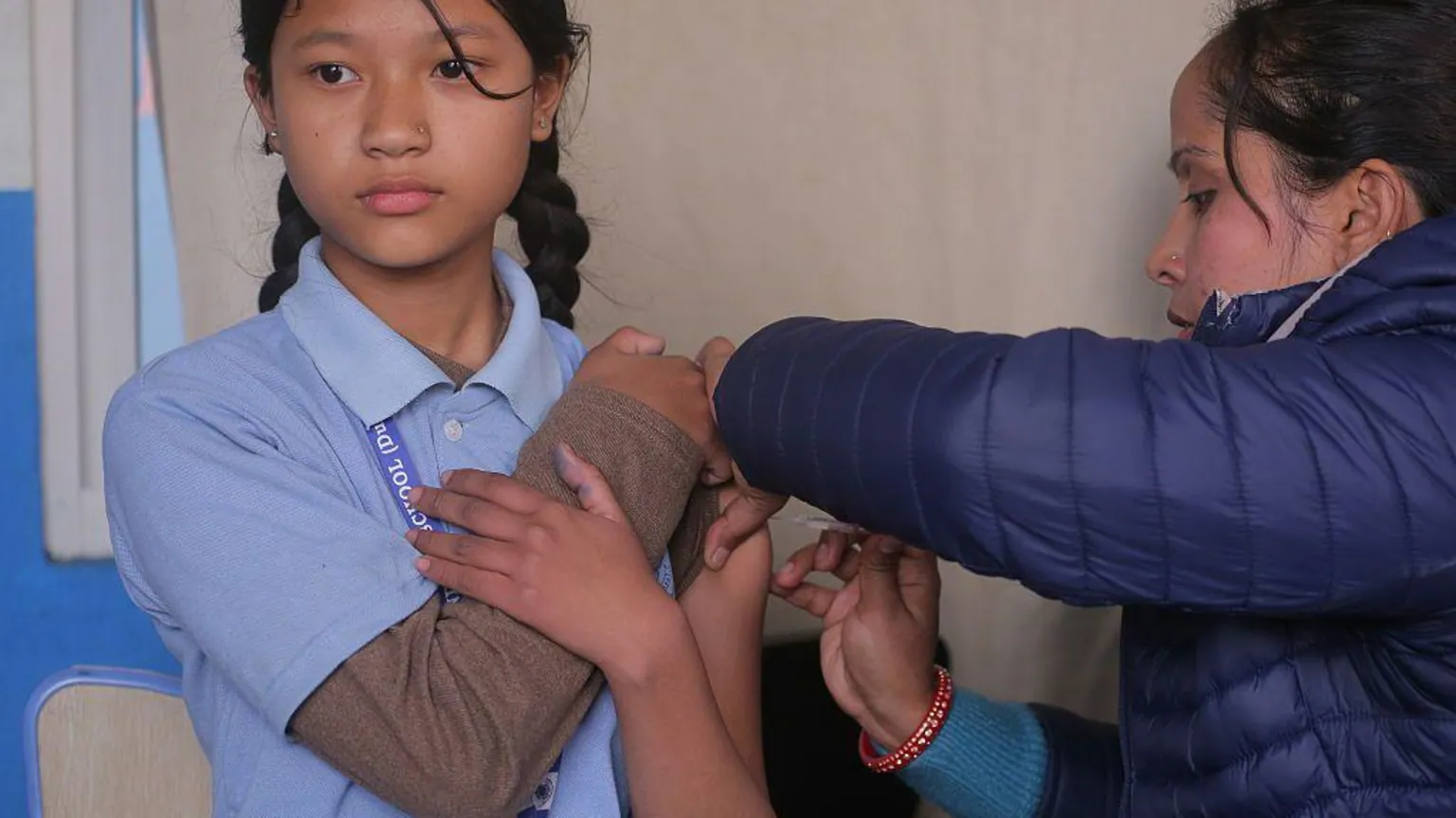
Today, HPV vaccination is a cornerstone of the country’s National Immunisation Program, which offers the vaccine to high school students. The programme was expanded in 2013 to include boys, recognising their role as carriers of the virus and strengthening herd immunity.
HPV infections often present no symptoms and may resolve without treatment. However, certain high-risk strains can lead to cervical cancer, which remains the fourth most common cancer among women globally. Crucially, it is also one of the few cancers that can be prevented through vaccination.
According to World Health Organization modelling, developed in collaboration with leading epidemiologist Karen Canfell, Australia’s strategy offers a clear pathway to elimination. Canfell, a global authority on cervical cancer control, notes the widespread human impact of the disease, describing it as one that touches “everyone… a mother, a sister or a grandmother.”

Beyond vaccination, Australia has strengthened its screening systems. In 2017, it became one of the first countries to replace the traditional Pap smear with a more sensitive HPV-based screening test, required only once every five years.
The country has also pioneered self-sampling options, allowing women to collect their own test samples, an innovation described by health authorities as a “game-changer,” particularly for those facing barriers to conventional screening.
The results have been striking. Since national records began in 1982, both incidence and mortality rates for cervical cancer in Australia have halved. In a significant milestone, data from 2021 revealed that no cases of cervical cancer were recorded among women under the age of 25 for the first time.
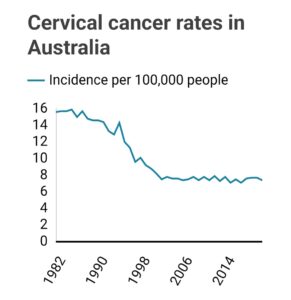
A recent assessment indicates that Australia is on track to eliminate cervical cancer by 2035 and could even reach the target earlier if current momentum is sustained.
While challenges persist globally, Australia’s approach, combining vaccination, advanced screening, and accessible healthcare innovations, has become a model for other countries seeking to consign cervical cancer to history.