
Zero medal.
Nigeria’s disappointing performance at the Paris 2024 Olympics has sparked widespread concern, pegging the country’s ongoing struggles in the global sports arena. This recent failure mirrored the failings at London 2012, Rio 2016 and Tokyo 2020 Olympics. When would it stop?
The poor showing has led to calls for a complete overhaul of the nation’s sports sector, with experts emphasizing the need for long-term strategies that go beyond short-term fixes. Recall that Nigeria spent over 9 billion Naira to ensure that its contingents participated in the Paris 2024nOlympics event which had a global showing between July 26 – August 11.
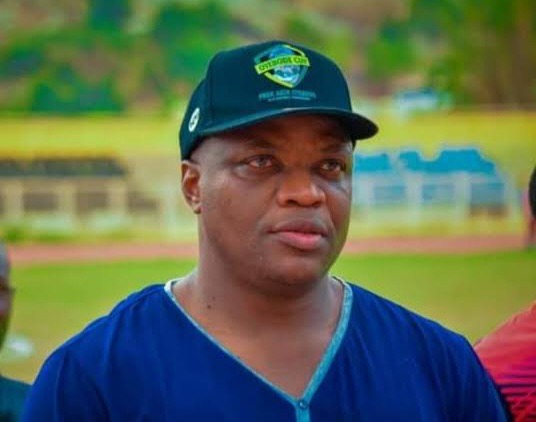
At the forefront of this conversation is Bayo Olanlege, a seasoned sports administrator and Chief Executive of Phoenix Football Club. Speaking recently at an exclusive radio program in Ibadan, Olanlege dissected Nigeria’s Olympic history, drawing attention to the nation’s lone moment of Olympic glory in 1996. According to him, this success was more a result of individual brilliance rather than a reflection of a robust sports system.

“Since 1996, Nigeria has been struggling to replicate that success because there was no foundation to build on. We have relied too heavily on fleeting moments of brilliance, without investing in a sustainable sports development framework,” Olanlege stated.
The Missing Foundation
Nigeria’s golden era in sports, particularly during the 1996 Atlanta Olympics, remains a source of pride. However, Olanlege argues that this period was an anomaly rather than a product of structured planning. He maintained that the lack of a comprehensive sports policy has left the country trailing behind its counterparts, unable to produce athletes who can compete on the world stage.
“The 1996 Olympics was a high point, but it wasn’t backed by a strong sports development system. We had raw talent, but no structure to nurture that talent for future generations. As a result, our sports sector has been on a downward spiral,”
A Call for a Long-Term Sports Plan
Olanlege’s critique extends to the current state of Nigerian sports, where he believes a lack of vision and commitment from the government has stifled potential. He called on the Federal Government to reassess its existing sports plans and develop a long-term strategy aimed at regenerating the sector. Such a plan, according to Olanlege, should include grassroots development, investment in sports infrastructure, and a focus on education and training for both athletes and coaches.
“To arrest the recurring failures, we need a strategic plan that spans decades, not just Olympic cycles. This plan should be inclusive, addressing the needs of athletes from the grassroots to the elite level. We need to invest in facilities, coaching, and most importantly, the athletes themselves,” he emphasized.
The Role of Parents and Private Sector
Olanlege also stressed the importance of parental involvement in nurturing young talent. He urged parents to invest in their children’s sporting abilities rather than relying solely on government initiatives.
“Parents should not wait for the government to discover their children’s talents. They must take the initiative, support their kids’ development, and seek opportunities for them to grow in sports,” he advised.
In addition, Olanlege believes that the private sector has a critical role to play in the revitalization of Nigerian sports. He called for more private investments in sports academies, sponsorships, and partnerships that could bridge the gap left by inadequate government funding.

Olanlege’s call to action serves as a wake-up call for all stakeholders.
The message is clear: without a strategic, long-term approach and the active involvement of all stakeholders—from the government to parents and sports administrators—Nigeria risks fading into obscurity on the global sports stage.
The Paris 2024 Olympics should serve as a turning point, not just a reminder of what could have been.