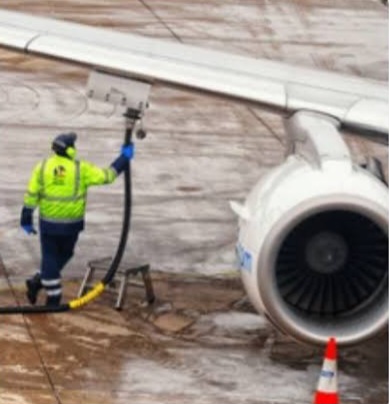

Global airlines have begun rolling out fare increases as surging fuel costs, triggered by the ongoing tensions involving the United States, Israel and Iran, continue to disrupt aviation operations and inflate operating expenses.
Leading carriers across Asia, Europe and Oceania have announced varying levels of ticket price hikes, citing a sharp rise in aviation fuel prices and operational uncertainties.
Among the airlines, Qantas, Cathay Pacific, AirAsia and Thai Airways have all confirmed adjustments to their pricing structures.
Cathay Pacific disclosed that its fuel costs for March have doubled compared to levels recorded in mid-January and February 2026, forcing the airline to implement fare increases effective from March 18, although specific increments are yet to be announced.
Thai Airways has already raised ticket prices by between 10 and 15 per cent, while Air New Zealand has introduced modest increases across its network, with domestic one-way fares rising by about €5 (NZ$10). Short-haul flights have seen increases of around €10, while long-haul tickets have surged by over €45.
In Europe, major airline group Air France-KLM announced on March 12 that long-haul ticket prices would increase by €50 per return journey to cushion the impact of higher fuel costs.
Similarly, Scandinavian Airlines (SAS) has implemented what it described as “temporary price adjustments,” while Aegean Airlines warned that Middle East disruptions and escalating fuel prices are already weighing on its first-quarter financial performance.
However, not all airlines have moved to raise fares immediately.
Carriers such as Lufthansa and Ryanair have so far avoided price increases, having secured fuel contracts at fixed rates that shield them, at least temporarily, from market volatility.
Meanwhile, Hong Kong Airlines is preparing to introduce fuel surcharges of up to 35.2 per cent, with the steepest increases affecting routes from Hong Kong to destinations such as the Maldives, Bangladesh and Nepal.
The surcharge on some of these routes is expected to rise to HK$384 (about $49), up from HK$284, further highlighting the growing cost burden on travellers.
For travellers, the combined impact of higher ticket prices, reduced flight options and ongoing uncertainty signals a turbulent period for global aviation.
The escalating conflict involving the United States, Israel and Iran is sending shockwaves through global aviation, with airfares surging by over 100 per cent across multiple international routes amid widespread flight suspensions.
The sharp increase in ticket prices follows the abrupt and indefinite suspension of several inbound and outbound flights across the Middle East, triggering demand-driven inflation among European and American carriers scrambling to adjust operations.
Airlines cite safety concerns as the primary reason for halting flights, but the ripple effects are already disrupting global travel plans, particularly as the peak summer travel season approaches.
The aviation turmoil is also placing additional strain on the global economy, with airlines, tourism operators and supply chains facing mounting losses.
Experts warn that if the conflict persists, the disruption could deepen, further inflating travel costs and complicating international logistics.
For now, millions of travellers worldwide are left navigating uncertainty, as the skies over one of the world’s busiest aviation corridors grow increasingly restricted.