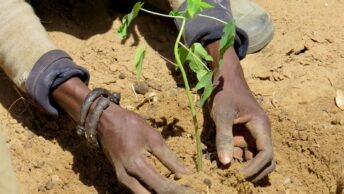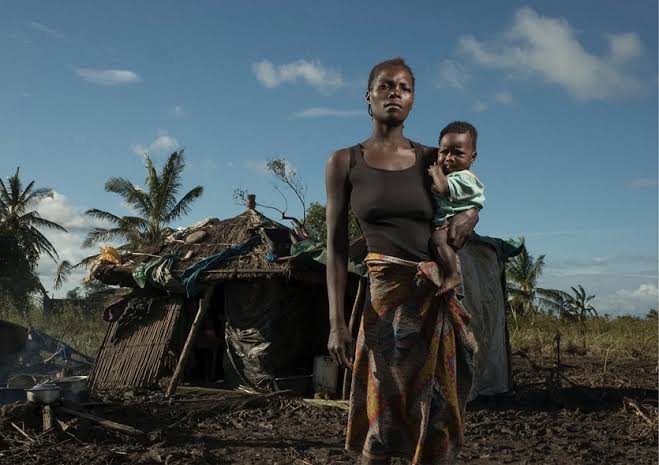

In small, sun-drenched rural communities of Africa where women rise with the dawn to till the land, fetch water, or cook for their families over smoky fires, lies an untapped climate force. These women, often overlooked and under-resourced, could become Africa’s greatest weapon in the fight against climate change. But only if they’re armed with the one thing the future demands: green skills.
While women are often on the frontlines of climate action, their voices and needs are frequently overlooked in climate-related policies and discussions.
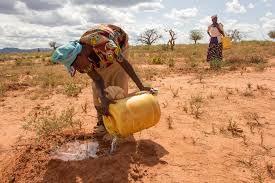
As the world hurtles toward a green economy, where sustainable practices shape agriculture, energy, manufacturing and more, African women, the stewards of land, water, and family are poised to lead. The catch? They need access to the tools of tomorrow: climate-smart farming, digital innovation, and low-carbon know-how.
“With the right support and training, African women can triple their productivity in green sectors,” says Professor Ogechi Adeola, co-author of a new book advocating for gender-inclusive climate solutions. “They are already doing the hard work. Now, let’s give them the modern skills to match.”
Transition Needs More Than Technology
In a continent where climate change is not an abstract concept but a daily reality, women seemingly man the frontlines. From managing households to navigating informal economies, they are already adapting. But their knowledge is largely traditional. What they lack is access to modern green skills.
What exactly are green skills?
They’re the tools, techniques, and knowledge needed to build and work within a climate-resilient world. Think solar panel installation, resource-efficient farming, or even using mobile apps to predict rainfall. There are two major categories:
1. Green and Gender-Inclusive Skills – These include natural asset management (caring for forests, rivers, and soil), low-carbon industry skills, climate-resilient building, and efficient resource use such as recycling and water-saving techniques.
2. Green Digital Skills – These are the future-forward tools that connect technology with sustainability. From using digital platforms to promote eco-products to designing mobile apps that help farmers boost yields or monitor environmental changes.
“In rural Kenya, a woman farmer using a weather app can save her entire maize crop,” explains Innocent Ngare, an environmental scientist at Kenyatta University. “That’s the power of digital green skills.”
Because women make up the majority of smallholder farmers in Africa. They are primarily responsible for sourcing water, food, and fuel. In short, they manage the resources climate change threatens most.
Studies show women are also more likely than men to adopt sustainable practices and lead grassroots adaptation efforts. But they are held back by poor access to finance, land, education, and decision-making spaces.
“We must stop seeing African women as victims of climate change,” says Olaniyi Evans, a senior lecturer at Pan Atlantic University. “They are problem-solvers co-creators of climate solutions.”
The Skills Gap
Global programmes like the Green Jobs for Youth Pact tend to focus on young, urban populations. But in Africa, the majority of women are in rural or informal sectors. These women aren’t just vulnerable; they are central to any climate solution that hopes to last.
So, what’s missing?
– Inclusive technical and vocational training
– Gender-responsive climate education policies
– Finance and digital tools to turn skills into businesses
– Practical learning in local languages and community settings
Examples like Tanzania, where gender has been integrated into climate policies through strong partnerships, offer a model. But more countries need to follow.
Here’s what African governments, civil society, and the private sector must do next:
– Design training programs that target rural, disabled, and marginalised women.
– Invest in mobile, tech-enabled education platforms that reach women where they are.
– Partner with local communities to blend traditional knowledge with green tech.
Create mentorship and support networks so that women not only learn but lead.
And most critically, include men in the journey. Transforming gender roles and promoting shared responsibility can speed up progress across entire communities.
Because when women are equipped, families thrive. When they lead, villages adapt. And when they rise, nations shift.