
Africa is facing an intensifying climate emergency, with extreme weather patterns wreaking havoc across its diverse landscapes, communities, and economies.
The World Meteorological Organization (WMO) has sounded the alarm on how rising temperatures, worsening floods, and prolonged droughts are threatening food security, health, education, and livelihoods, compounding existing social and political challenges across the continent.
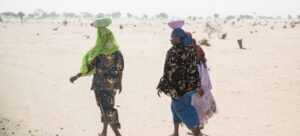
In 2024, Africa’s surface temperatures averaged nearly 0.9°C above the 1991–2020 baseline, a significant rise that highlighted the continent’s vulnerability to global warming. North Africa is the fastest-warming region, with temperatures soaring 1.28°C above the historic average. This rapid heating contributes not only to searing heatwaves but also disrupts rainfall patterns critical for agriculture and water supplies.
Unfortunately, sea temperatures around Africa also hit record highs, with marine heatwaves intensifying across the Atlantic Ocean and Mediterranean Sea. These spikes threaten marine biodiversity, fisheries, and coastal communities dependent on the ocean.
The Human Cost: Lives, Livelihoods, and Displacement
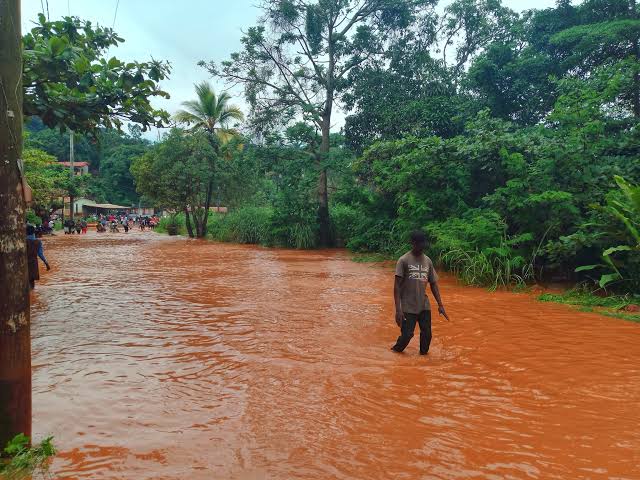
The impacts on people are devastating. Floods in South Sudan in recent months displaced hundreds of thousands and destroyed millions of farm animals, a crucial asset for herders’ survival and cultural traditions. Floodwaters damaged hospitals and contaminated water sources in displacement camps, heightening risks of disease outbreaks.
Similarly, torrential rains swept through West Africa, affecting over four million people and damaging homes, crops, and infrastructure. Meanwhile, southern African nations like Malawi, Zambia, and Zimbabwe have endured the worst droughts in decades, with cereal harvests plunging up to 50% below average, exacerbating hunger and economic hardship.
In northern Nigeria, flooding claimed hundreds of lives and displaced over half a million residents in 2024 alone, illustrating the deadly toll of extreme weather on vulnerable communities.
Education and Health: Hidden Victims of Climate Extremes
Rising temperatures are forcing school closures and disrupting education, with South Sudanese schools shutting down when temperatures soared to 45°C. UNICEF reports that globally, 242 million children missed school in 2024 due to extreme weather events, many from sub-Saharan Africa.
Heatwaves also pose severe health risks, increasing heat stress, dehydration, and respiratory illnesses, especially among children, the elderly, and those with pre-existing conditions.
The Vicious Cycle of Floods and Droughts
For countries like South Sudan, the climate crisis manifests in a destructive cycle: floods followed by droughts, each worsening the other. Saturated soils make even short rains cause floods, while long dry spells dry out land and reduce water availability. This oscillation devastates farmin, the backbone of many African economies forcing families back into aid dependency and eroding dignity.
The ongoing conflict and economic crises in South Sudan further compound the challenge, straining the government’s capacity to respond and hindering humanitarian access.
Adaptation and Resilience: Urgent but Underfunded
Efforts to build climate resilience are underway. In South Sudan, the UN Food and Agriculture Organization (FAO) has helped communities harvest and store water to reduce drought impacts, shrinking dry months from six to two. Such local solutions provide hope but require scaling up.
Experts reminds us the need for early warning systems, better infrastructure, and sustainable water management. However, costly technological fixes like seawater desalination are not practical or equitable for most African nations due to high economic and environmental costs.
Indeed, the continent faces a steep climate finance gap at a time when global economic challenges make funding more scarce.
Africa bears a disproportionate burden of climate change, despite contributing least to global emissions.
Consequently, the WMO warns that unless the world drastically cuts greenhouse gases, Africa’s already fragile ecosystems and societies will face worsening extremes — from heatwaves to floods to droughts.
African leaders and international partners must urgently prioritize adaptation and resilience-building, aligning climate action with development goals to safeguard the continent’s future.