
Scientists across Africa are ramping up research into new strategies to curb malaria transmission, as the continent risks missing the African Union target of eliminating the disease by 2030.
At the forefront of this effort is the Target Malaria initiative, where researchers are exploring gene drive technology, an emerging genetic approach designed to either suppress populations of malaria-carrying mosquitoes or block their ability to transmit the parasite to humans.
The innovation shows a shift toward advanced scientific solutions that could complement existing tools such as insecticide-treated bed nets, antimalarial drugs, vaccines, and indoor residual spraying.
According to a report by the African Media Agency, the renewed push comes at a time when malaria control efforts are under increasing strain. Challenges such as rising insecticide resistance, climate-related disruptions, and fragile health systems threaten to reverse gains recorded over the past decade.
Progress has slowed significantly since 2015, with only a handful of countries meeting reduction milestones, leaving Africa off track to meet its elimination goals. Researchers say gene drive technology is not a replacement for existing interventions but a complementary tool that could strengthen long-term malaria control strategies.
They stress that sustained investment, robust research, and cross-border collaboration will be critical to ensuring that such innovations are safely developed and effectively deployed.
Meanwhile, the World Health Organization Regional Office for Africa has warned that at least $45 billion will be required between 2026 and 2030 to keep global malaria targets within reach, as Africa continues to carry the heaviest burden of the disease.
Regional Director, Mohamed Janabi, in a message marking World Malaria Day 2026, said this year’s theme “Driven to End Malaria: Now We Can. Now We Must” expresses both renewed optimism and the urgency for coordinated global action.
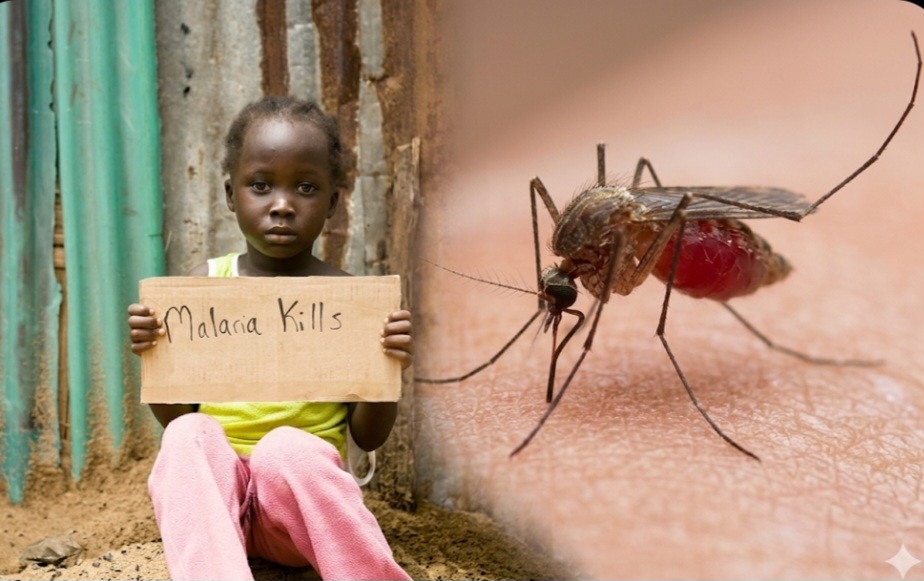
Despite decades of progress, malaria remains one of the continent’s deadliest diseases, claiming nearly 600,000 lives in 2024, with young children accounting for about three-quarters of the fatalities.
“Yet for the first time, we can say with confidence that we have the tools, commitment and knowledge to dramatically reduce illness and deaths and ultimately end malaria as a public health threat,” Janabi said.
The WHO noted that momentum is building in some areas, with more than 10 countries increasing domestic funding for malaria programmes since 2025. In addition, 25 countries are rolling out malaria vaccines, reaching about 10 million children annually, alongside expanded distribution of next-generation insecticide-resistant nets and the adoption of digital tools to improve disease surveillance and outbreak response.
Even so, experts warn that without urgent and sustained action, Africa’s malaria burden could persist, underscoring the need to align innovation with strong health systems and adequate financing.