
Its tougher living in Vietnam now.
The country’s central coast has been battered by Typhoon Kajiki, a powerful storm that forced the evacuation of nearly 600,000 people and left a trail of destruction as it tore into Ha Tinh province on Monday afternoon.
Winds gusting between 118 and 133 km/h (73–82 mph) uprooted trees, ripped roofs from houses, and battered already fragile infrastructure.
Authorities had warned that Kajiki could be the country’s most powerful storm this year, though the weather service later downgraded its intensity while cautioning that wind speeds remained dangerously high.
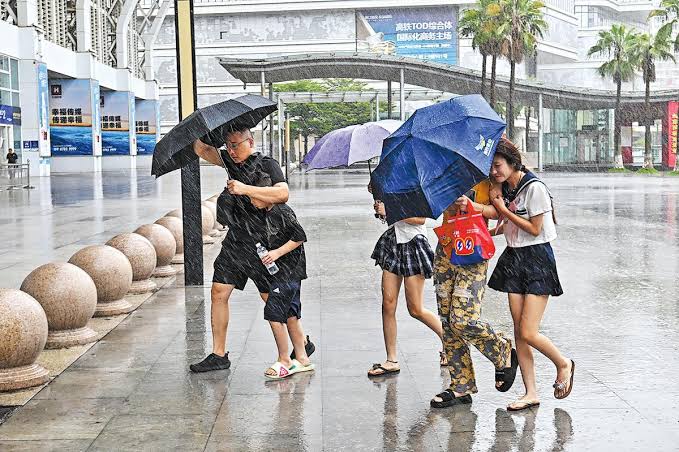
The storm’s arrival follows its path along China’s southern coast, where it damaged roads, water systems, and public utilities before moving westwards into the South China Sea.
By the time it struck Vietnam, the typhoon had already demonstrated its destructive potential, prompting emergency alerts across 400 communes in six provinces.
Officials fear that Kajiki’s greatest danger may lie not only in its winds but in the flash floods and landslides it could trigger in mountainous areas. Local disaster management teams have been dispatched to high-risk zones, while schools and businesses in vulnerable districts remain closed.
Vietnam is no stranger to such calamities. Typhoon Yagi, which struck in September last year, caused widespread devastation across the region. That storm left more than 1.5 million people in Vietnam without power and claimed over 500 lives across Southeast Asia, affecting Laos, Thailand, and Myanmar in its path.