UK’s Record-Warm Seas Spark Climate Alarm — Scientists Urge Political Action on Marine Crisis

Britain’s seas are experiencing an unprecedented transformation, with marine life shifting in ways that scientists say demand urgent political attention to tackle climate change.
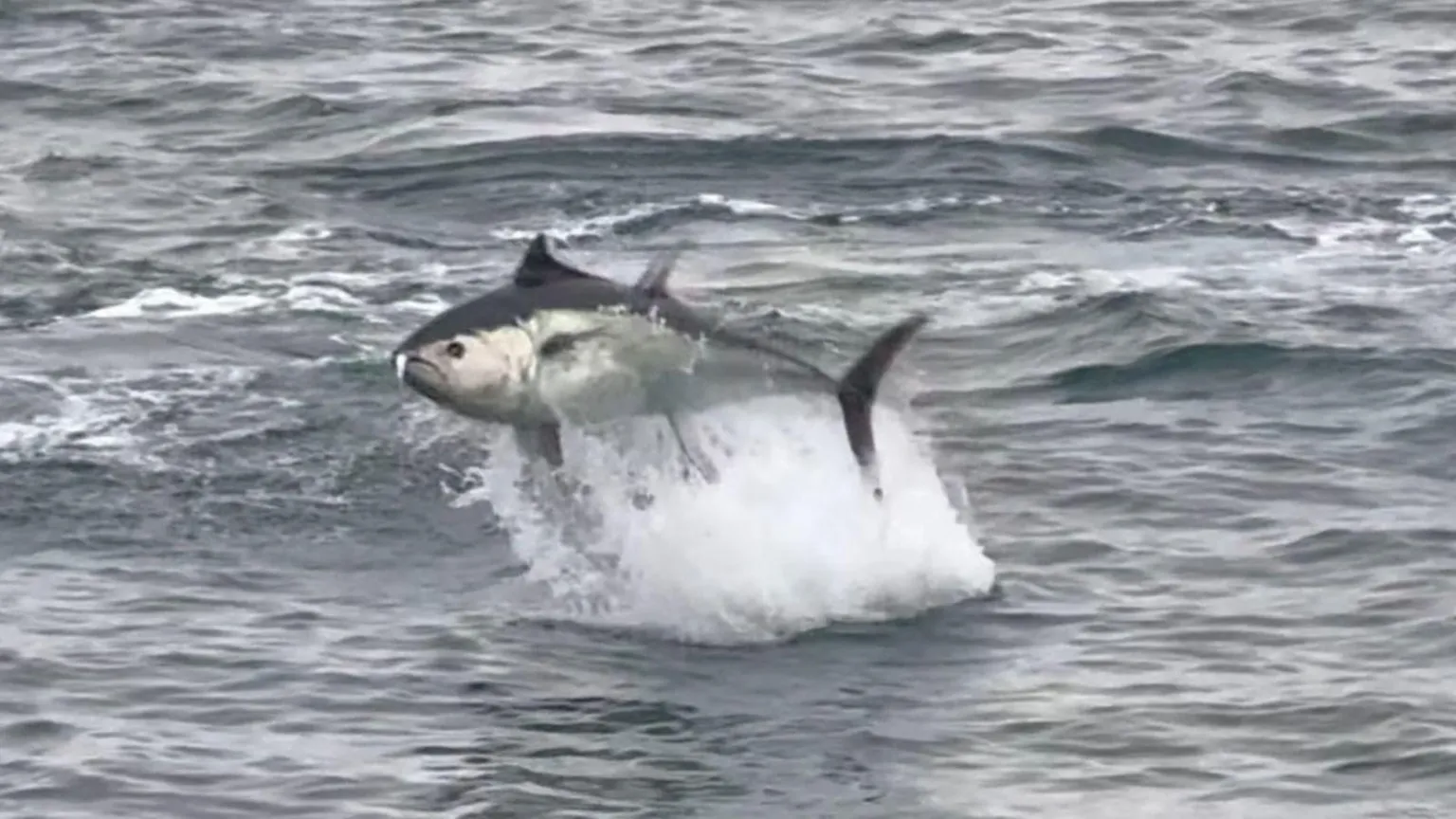
From octopus and bluefin tuna to mauve stinger jellyfish, an unusual abundance of species, many rarely seen in UK waters has been recorded by scientists and amateur naturalists.
While such patterns can be influenced by natural cycles and fishing practices, experts point squarely to one driver: the warming of the seas.
“Things like jellyfish, like octopus… they are the sorts of things that you expect to respond quickly to climate change,” explained Dr Bryce Stewart, senior research fellow at the Marine Biological Association in Plymouth.
An analysis by BBC of provisional Met Office data reveals that in the first seven months of 2025, UK sea surface temperatures averaged more than 0.2°C higher than any year since records began in 1980. That seemingly small margin signals a significant shift, one driven largely by the continued burning of fossil fuels.
This warming is reshaping the marine environment. Cold-adapted species such as cod and wolf-fish are being pushed to their limits, with many migrating northwards.
“We’re definitely seeing this shift of cooler water species moving north in general,” said Dr Stewart.
Marine heatwave conditions extended periods of unusually high sea surface temperatures — have lingered in UK waters virtually all year. Offshore buoys, operated by the Centre for Environment, Fisheries and Aquaculture Science (Cefas), have recorded exceptional sea temperatures, building on record heat from 2023 and 2024.
Although natural variability plays a role, for instance, July’s clear skies and low winds allowed sunlight to warm the sea surface faster, the wider picture is more troubling. The world’s oceans have absorbed about 90% of the excess heat generated by human greenhouse gas emissions, making such marine heatwaves more frequent and intense.
“The main contributor to the marine heatwaves around the UK is the buildup of heat in the ocean,” said Dr Caroline Rowland, head of oceans, cryosphere and climate change at the Met Office.
For campaigners, the data is another call for governments to act, not just to protect the UK’s marine biodiversity, but to safeguard fishing communities and coastal economies already feeling the strain.